
The Night Stalker: A Review of Netflix's True Crime Documentary
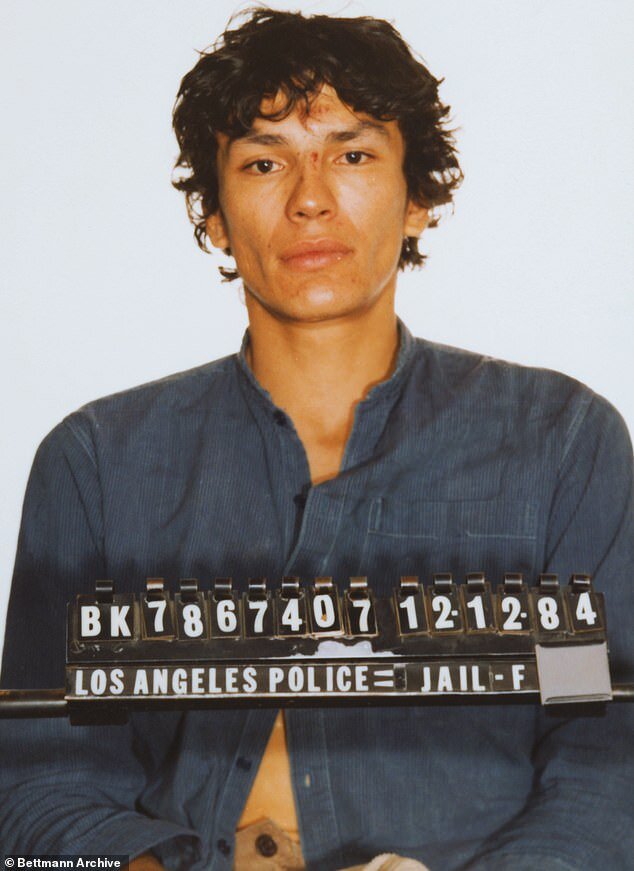
Netflix isn’t new to true crime documentaries; in fact, the streaming service hosts over seven dozen mini-series and movies on the genre. Being a fan of horrific stories and stuck at home like the rest of you amidst the pandemic, I can say without shame that I’ve spent my fair share of late nights bingeing through most of them.
While some features have reminded me of watching the I.D. channel with my mother and her constant warnings and tips she collected solely from the channel, others have surprised me, sadly disappointed me, and in some cases, even repulsed me.
That was not the case with Netflix’s latest true crime doc, Night Stalker: The Hunt for a Serial Killer. Changing directions from some of the streaming platform’s other documentaries, directors James Carroll and Tiller Russell take their viewers on a four-part journey of the hunt for Richard Ramirez.
Keen on not spoiling the murder’s identity, Carroll and Russell instead are adamant about walking us through the backgrounds of detectives Gil Carrillo and Frank Salerno. You could tell the investigative team was passionate about their work and enraged about what was happening in their area. I felt the documentary gave viewers an appreciation for the men at work on the case and the sacrifices they made—even with their own families—in order to find this menace before he struck again.
The mini-series also focused largely on the crimes committed, crime scene photos, original reports, and interviews with survivors and family members of victims. These details are incredibly important for painting a genuine picture of our murderer.
“It is when these stereotypical murders are brought to light that assurance is depleted and the system we created in our mind fails.”
Without being able to place a face almost immediately, like in Conversations with a Killer: The Ted Bundy Tapes, The Devil Next Door, or even American Murderer: The Family Next Door, viewers are denied the opportunity to create a sort of devil’s advocate case on their own. I’m not saying that cases can or should be made on looks, or even that viewers shouldn’t play devil’s advocate here and there, but if anyone took away anything from the Bundy documentary in particular, it was how these “normal,” even “good-looking,” people couldn’t have possibly have committed such vile crimes for that sole reason. To romanticize and sexualize a murderer is to create doubt about the facts, create doubt within the viewer regarding the case, and self-doubt for possibly developing a distasteful attraction to monsters.
That isn’t what happened in Night Stalker. By the time viewers first had a look at the suspect, he was dirty, described as having bad teeth and bad hygiene—an ongoing description that made your skin crawl if you imagined waking up to him over your bed, with a gun, or a knife. Even in the scenes to follow, he’s bandaged and strange. As if to convince ourselves we are safe in society, people typically attribute certain looks to someone gentle and nice vs. someone who you’d be afraid to even say “Hello” to. We do these things automatically—it’s just how we operate. However, these “good-looking” or “normal” people are not always as they appear to be, and the same can go for someone who looks dirty or dingy as well. It is when these stereotypical murders or monsters of sorts are brought to light that our previous assurance is depleted and the system we created in our mind fails.
It isn’t until some of the final scenes of the trial where we discover that a televised court has created a sex appeal about Rameriz. Hair grown and sunglasses hiding those empty eyes made for a cookie-cutter bad guy, like an ‘80s rocker or something. Only by this point, the viewer knows he’s not a fun, make-your-mother-mad bad boy; he’s a will-kill-your-mother-and-your-grandmother bad boy. And that’s the core of this mini-series—what makes it so compelling and respectful. If the case wasn’t solved or had loose ends, it would be one thing to doubt. But in the end, Richard Ramirez was a convicted serial killer, convicted of 13 murders—although there were many more—and sentenced to die by gas chamber in the state of California.
The documentary doesn’t seek another outcome; it doesn’t try to make you like Ramirez or even be infatuated with his other talents, skills, or even feel bad about his childhood. It tells the story of everyone else involved in the chaos from their own mouths. This documentary pays homage to the victims’ truths.
Article written by Destiny Johnson
Destiny writes about true crime and thrillers. She likes movies and stories that make you question the world around you, more so than what makes you jump.


![[Movie Review] Dead Mail (2024)](https://images.squarespace-cdn.com/content/v1/5d3e481bc5a6e40001b215a8/1745079293263-SFBEIPQXTRG91EFCVDA4/Screenshot+2025-04-19+at+12.14.27%E2%80%AFPM.png)

If you’re someone who frequents oddities or metaphysical shops (hell, even antique shops in some instances), you start to get pretty good at sensing the authenticity of not just the items around you but the people, too. You’re able to distinguish whether or not those standing behind the counter love the stuff as much as you or if they’re in it for some other reason, be it money, fad, or something else.