
What Sleeps Beneath is an online magazine that explores the horror genre as one of the most important cultural vehicles of our time. It is a home for all horror-loving nerds, and a space to investigate what the genre tells us about ourselves. We write book and movie reviews, conduct interviews, and write original academic research.
Browse the full archive, or search for a specific article. Not sure where to start? Use the drop-down to browse by topic, format, or subgenre.
Archive
- B-Movies & Cult Classics
- Body Horror
- Books & Literature
- Classic Horror Films
- Cosmic Horror
- Cults & Religious Horror
- Essays
- Events
- Folk Horror
- Found Footage & Mockumentary
- Gendered & Queer Horror
- Ghosts & Hauntings
- Holiday Horror
- Independent Films
- International Horror
- Interviews
- Lists
- Possession & Exorcism
- Recipes
- Sci-Fi Horror
- Slashers
- Survival & Environmental Horror
- TV
- Thrillers
- True Crime
- Vampires
- Werewolves & Transformations
- Women in Horror
- Zombies
Why Horror Turns Games and Rules Into Nightmares
Games are supposed to make rules comforting. Someone explains what can and cannot happen, everyone agrees to play, and even when competition becomes intense, there is usually a clear way for the game to end. Horror understands exactly how much damage can be done by keeping that structure and removing the safety.
‘Itch!’ Interview: Bari Kang on Practical Gore and Making Horror a Family Affair
Filmmaker Bari Kang discusses Itch!, from its practical gore and zombie influences to filming in his own NYC store and directing his daughter.
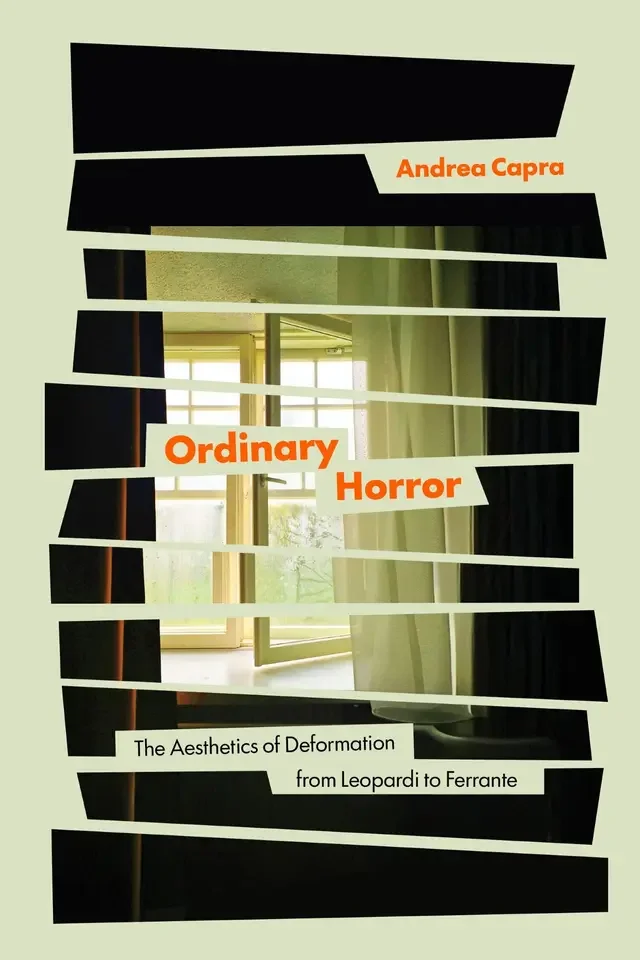
‘Ordinary Horror’ Review: Finding Horror in Italian Literature
Through a blend of horror studies, philosophical analysis, and aesthetics, Ordinary Horror: The Aesthetics of Deformation from Leopardi to Ferrante by NYU professor of Italian studies Andrea Capra explores undiscussed nuances in contemporary and canonical Italian literature alike.
Horror and the Architecture of Dehumanization
The term “social horror” seeks to highlight and challenge real-life injustices and everyday violence. It moves away from the notion of the supernatural monster to emphasize the human being as the primary source of violence and cruelty against others.
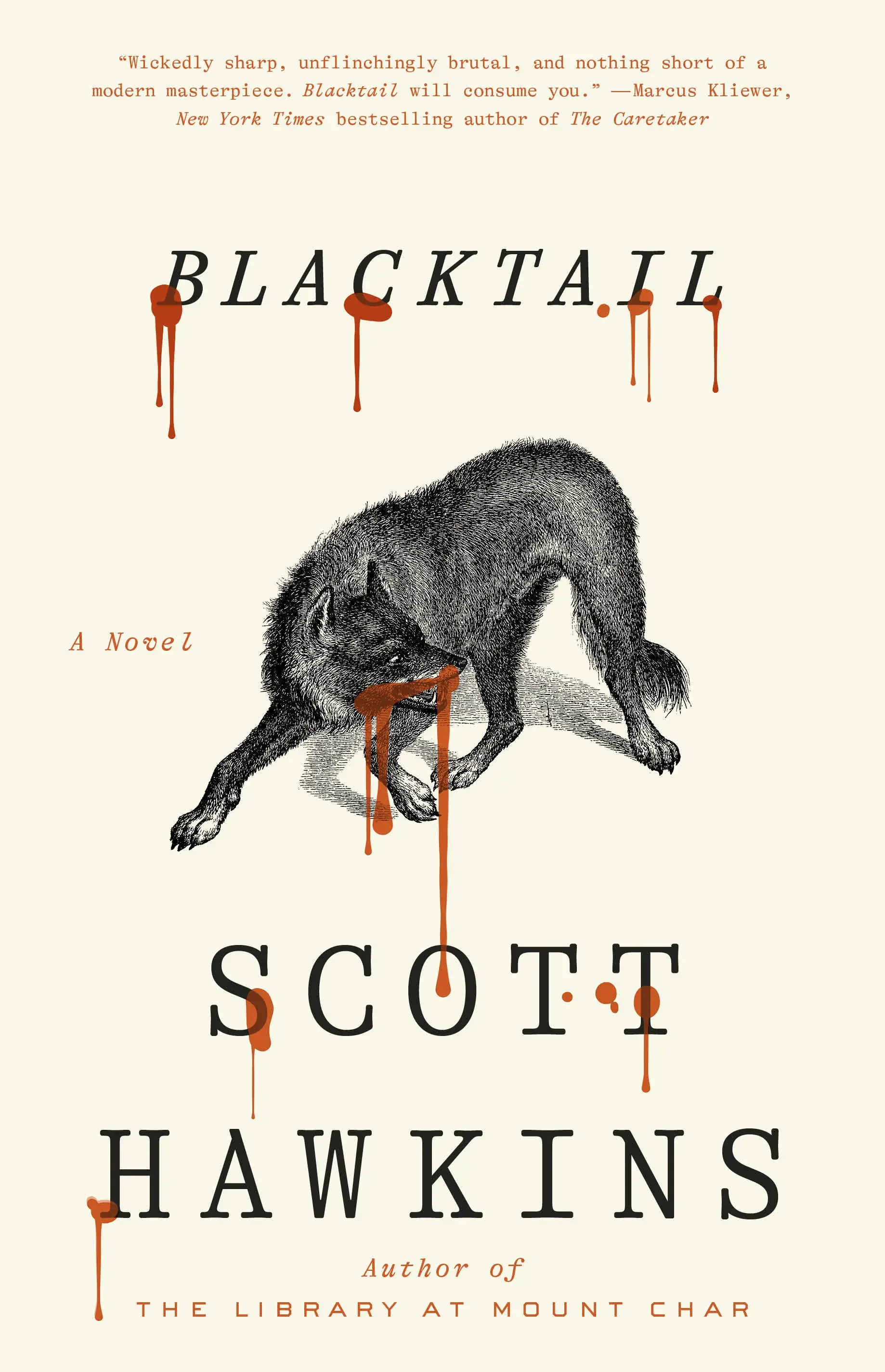
‘Blacktail’ Is a Revenge Story That Refuses to Let You Enjoy It
Revenge asks very little of the reader. Establish a wound. Point the wounded party toward whoever made it. We handle the rest quickly because the arithmetic feels good, and we have been practicing it since we were old enough to be treated unfairly. Scott Hawkins gives you that arithmetic early in Blacktail, then spends the rest of the book taking the calculator apart on the table in front of you.
Trans Horror Books: A Beginner’s Guide to 18 Authors
Are you tired of searching for works that describe transgender experiences accurately, let alone with complexity or compelling messiness? Want to read some horror stories that were written by and/or for trans people? Curious about this newfangled term “trans horror” and wondering where to start? Hopefully, this brief primer will be useful to you.
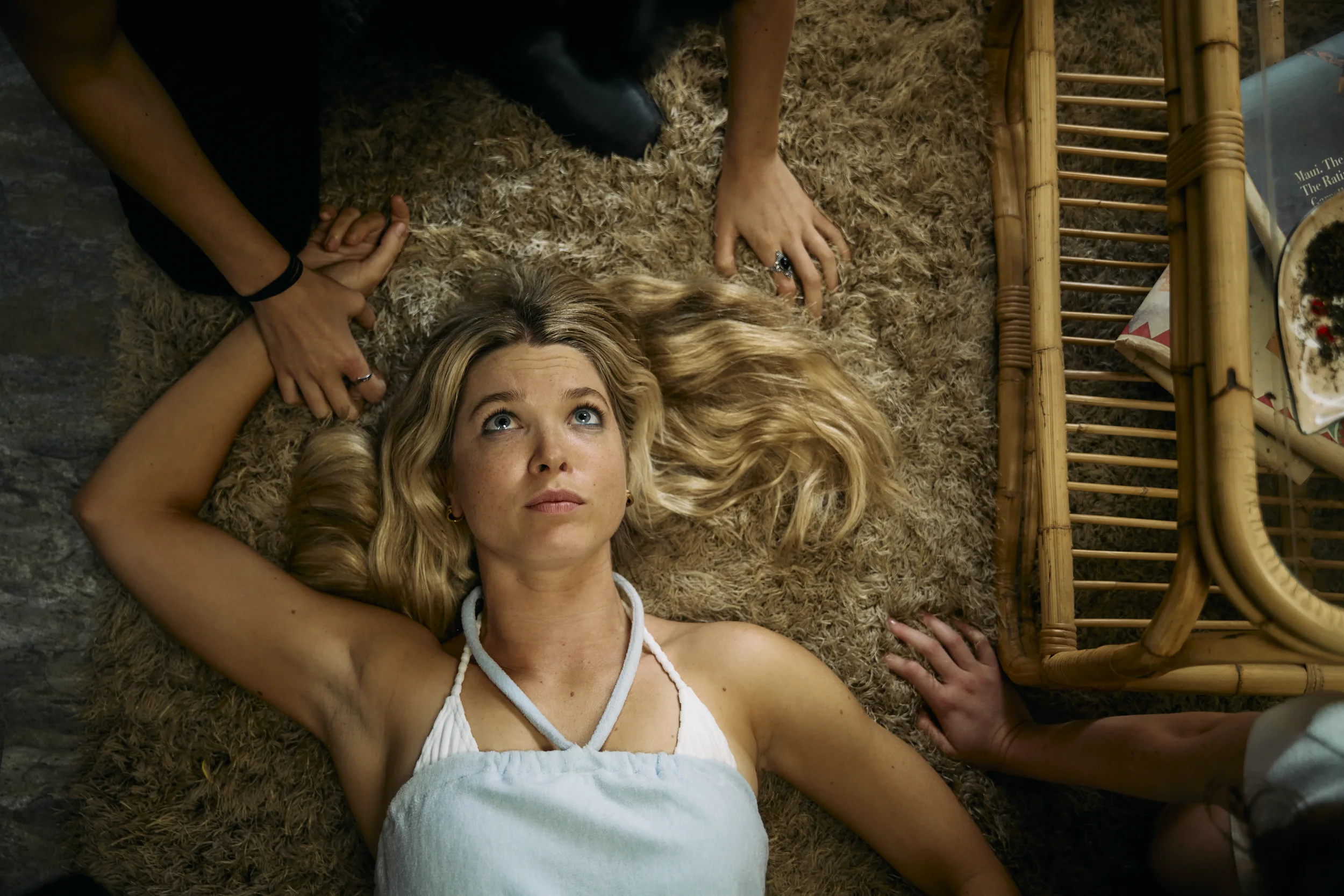
‘Penny Lane is Dead’: Ozploitation with a Punk Flare
The Land Down Under has a way of making its landscapes feel—deliciously hostile. In Wake in Fright, the scorched outback is the biggest threat of all; in Wolf Creek, the miles of empty road are essentially accomplices. In Mia’Kate Russell’s Penny Lane is Dead, however, the outback gives way to a beach house, but make no mistake—the beach is no less terrifying than the bush.

“The Kids Are All Fright”—Notes on ‘Obsession,’ ‘Backrooms,’ and the Promise of Gen Z Horror
The year is 2026, and it’s a good time to be a horror fan. From compelling expansions upon beloved franchises such as 28 Years Later: The Bone Temple (released January 16), Ready or Not 2: Here I Come (March 20), and Evil Dead Burn (July 10), to inventive new takes on the genre such as Send Help (January 30), undertone (March 13), Hokum (May 1), and Leviticus (June 19), both new and established voices in the film industry have already delivered delicious frights, dark comedy, and searing social commentary that will undoubtedly keep thrill-seekers coming back to the theater for more.
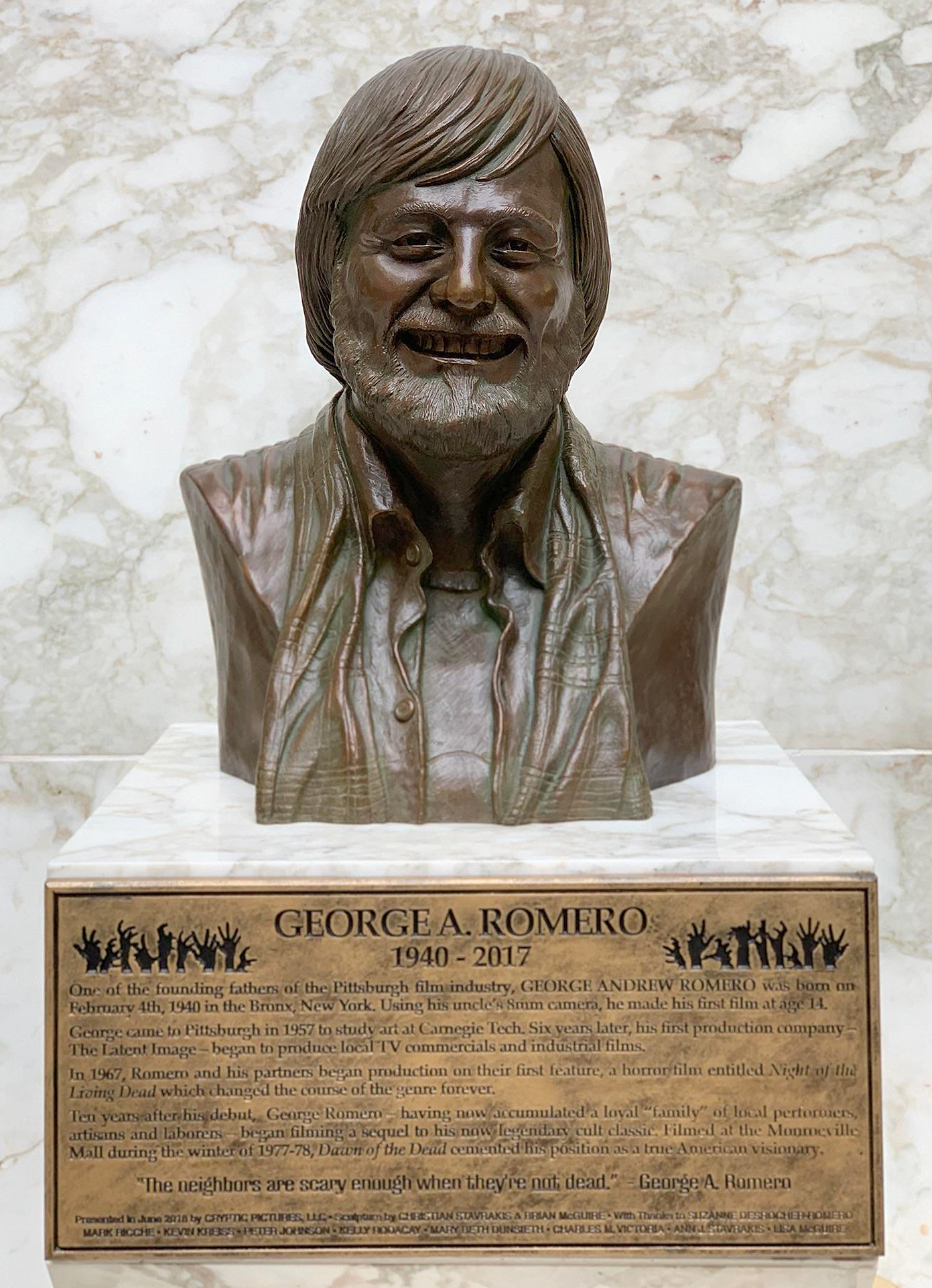
From Dawn To Dusk: My Weekend With The Living Dead
October, 2006. The living dead have once again infested the Monroeville Mall. Their faces green with rot; blood and gore dripping down their chins. Eight hundred ninety-four zombies roam these halls, setting what was then the Guinness World Record for the largest gathering of the undead…
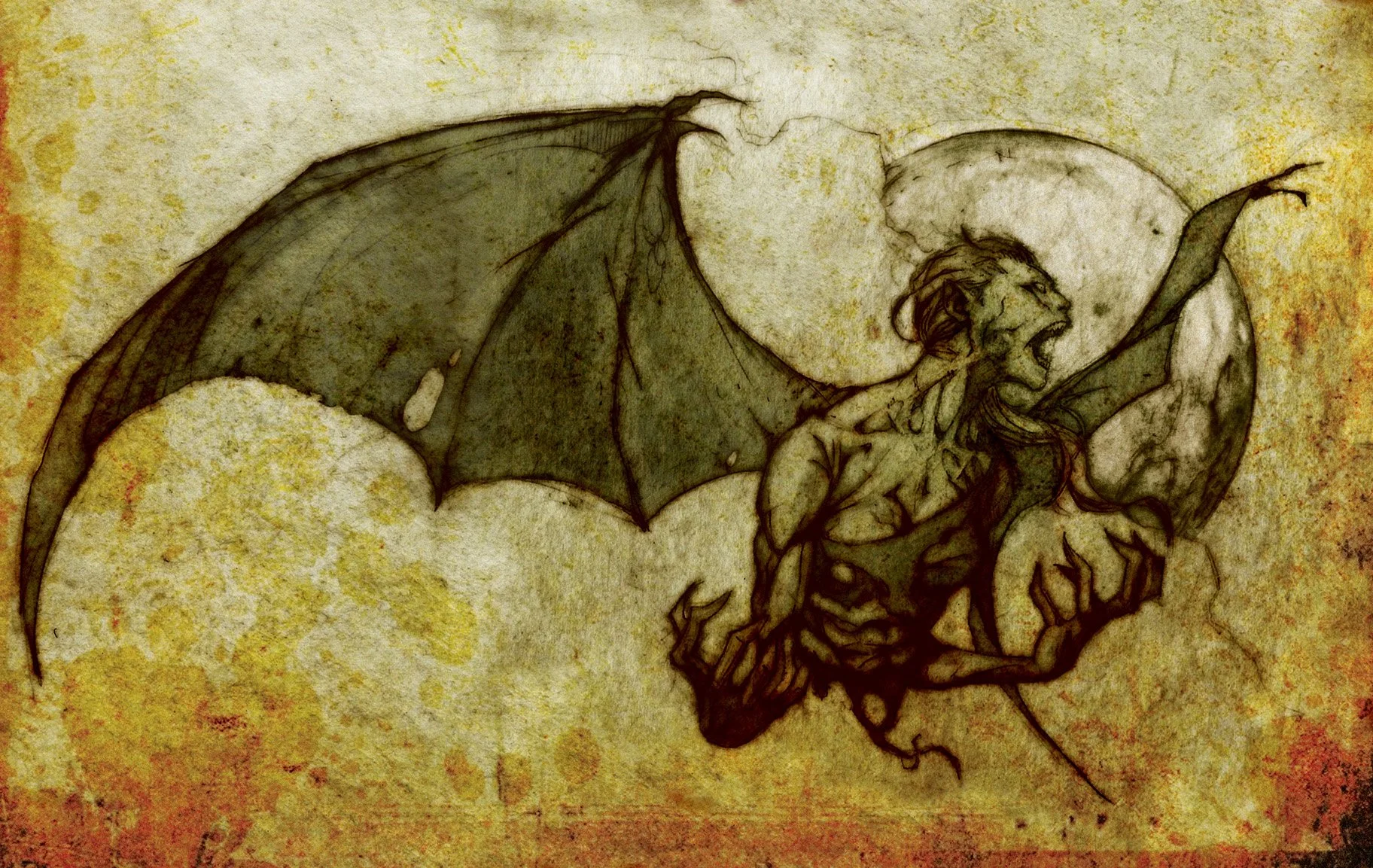
The Manananggal: Monstrous Femininity, Colonialism, and Filipino Identity in Cinema
Within Filipino folklore, no creature captivates and horrifies like the viscera-sucker, or manananggal. In Ramos’s taxonomy of aswangs, they are typically portrayed as beautiful women with long hair who, by night, split at the waist and detach from their lower body, hiding it in a safe place, such as under a banana tree. The top half sprouts wings and takes to the night to hunt for prey, intestines flying behind her.
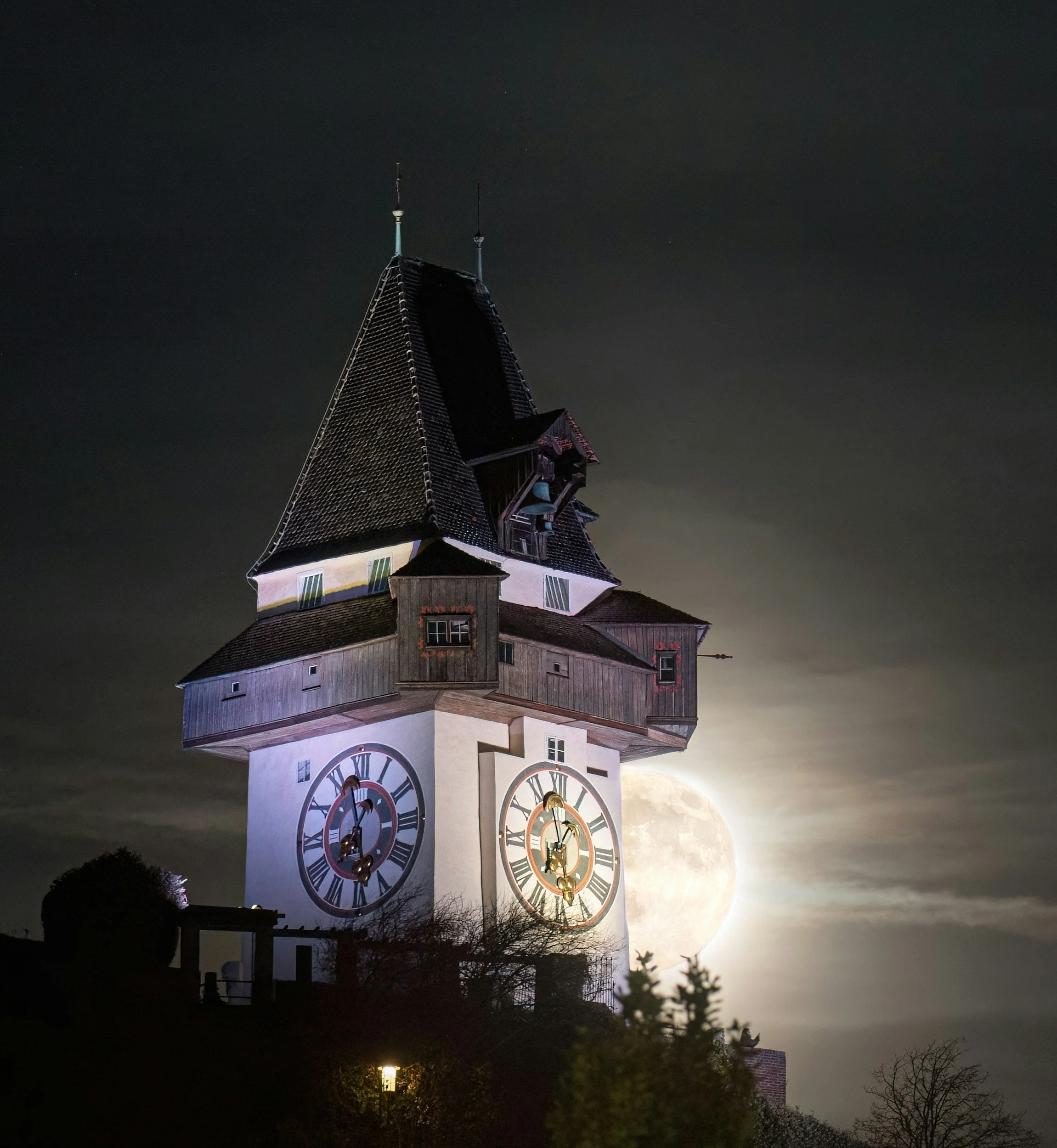
Organizing the Perfect Friday the 13th Night for Horror Fans
A Friday the 13th night looks extraordinary, especially for those in love with the supernatural, horrific, or dreadful. Sounds like you? Why not spend that spooky evening in an atmospheric get-together with friends?
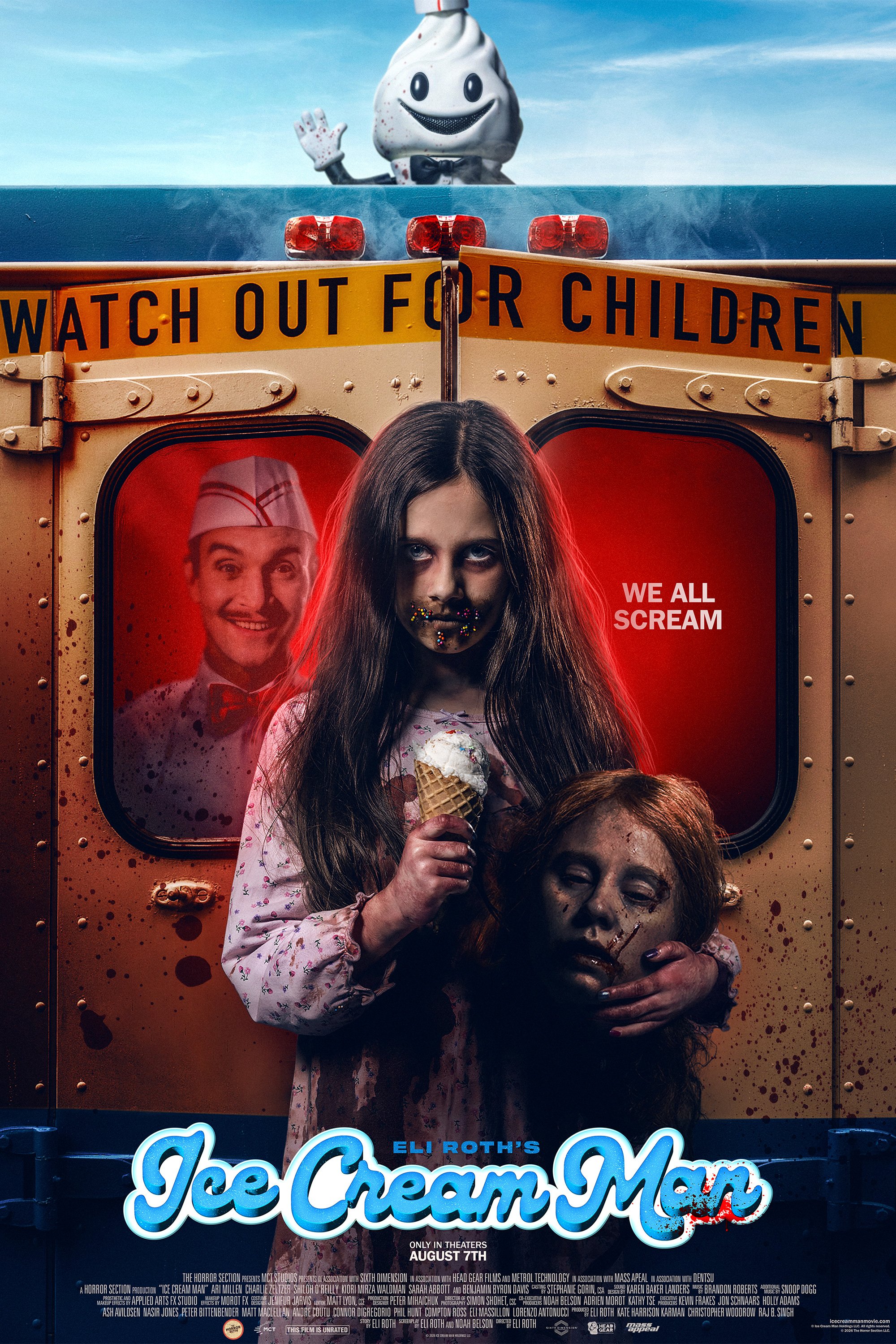
Interviews with ‘Ice Cream Man’ Stars Benjamin Byron Davis & Sarah Abbott
Noah Welter had the opportunity to sit with Benjamin Byron Davis and Sarah Abbott of Ice Cream Man to talk about the film and what it’s like to be part of such an irreverent, gory flick.
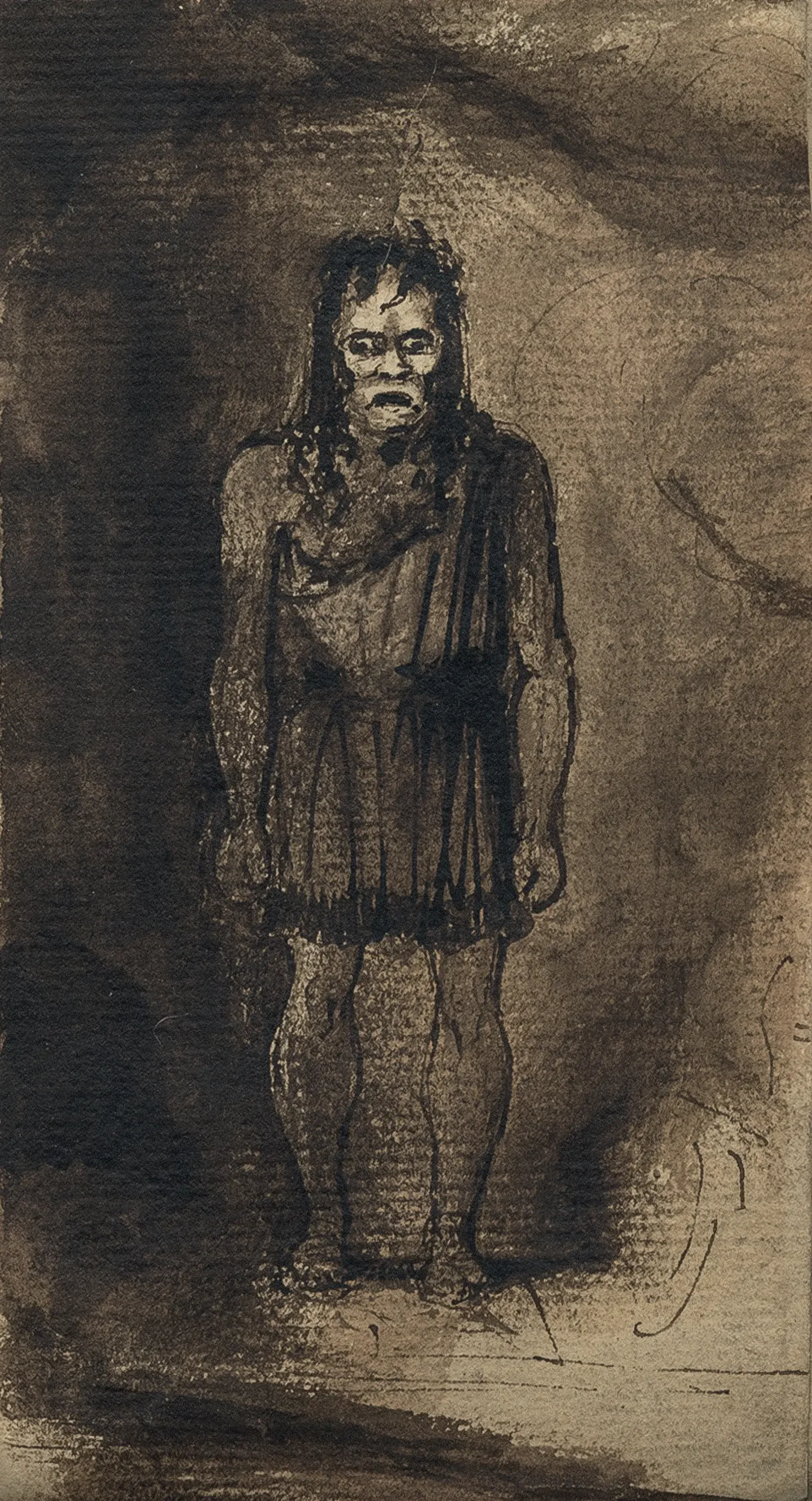
We Are the Other: Embracing Transgender Monstrosity in Horror Literature
The experience of being trans, of realizing one’s identity is not what it was declared at birth and undergoing a social or medical transition, unquestionably alters how a person views the world around them. Stryker’s focus on transgender rage is one example of how scholars address the hardships of trans life, but there are also positive aspects of transness to be explored using this same metaphor. The transcendence of boundaries features heavily in the expression of trans monstrosity.
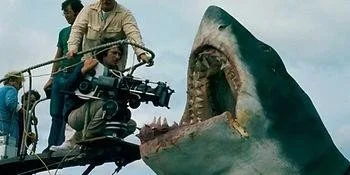
Blood in the Water: A ‘Jaws’ Cocktail Recipe
In celebration of Shark Week 2026, we bring you…Blood in the Water.
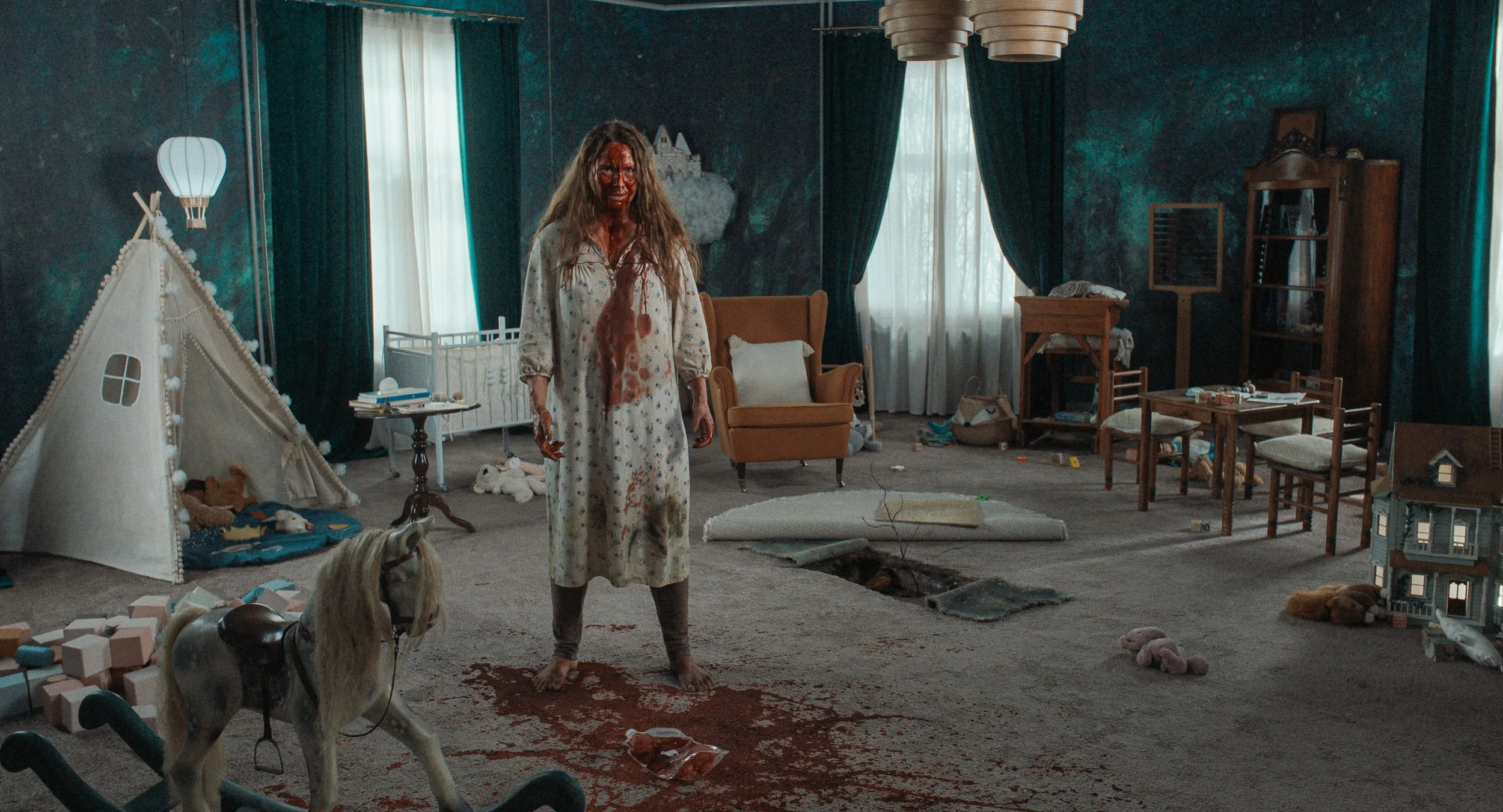
Watching ‘Nightborn’ After Having My Firstborn
After a traumatic labor, Saga wakes to the cries of her newborn son in his bassinet on the other side of the room. While most watching will likely pick up on baby Kuura’s negative reaction to sunlight—I couldn’t stop thinking about the pain it would have caused Saga to get up and gather her son herself. The irony of thinking about her struggles is further amplified by the cries and almost animalistic moans and later-described hairy body that are all chalked up as “normal” and that the couple has a perfectly healthy babe. After all, everyone insists that every baby and every pregnancy… is different.
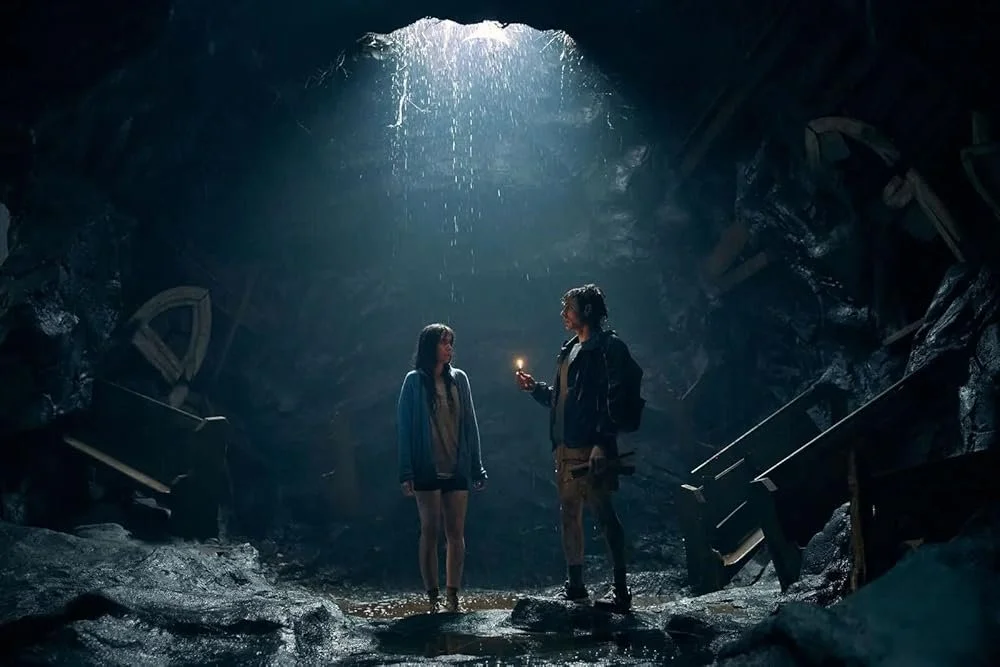
So, Happy ‘Together’?: A One-Year Retrospective on the Legal Battle over The Spice Girls
What can we learn from the ongoing legal battle between 2025’s Together and the lesser-known Better Half from 2023?
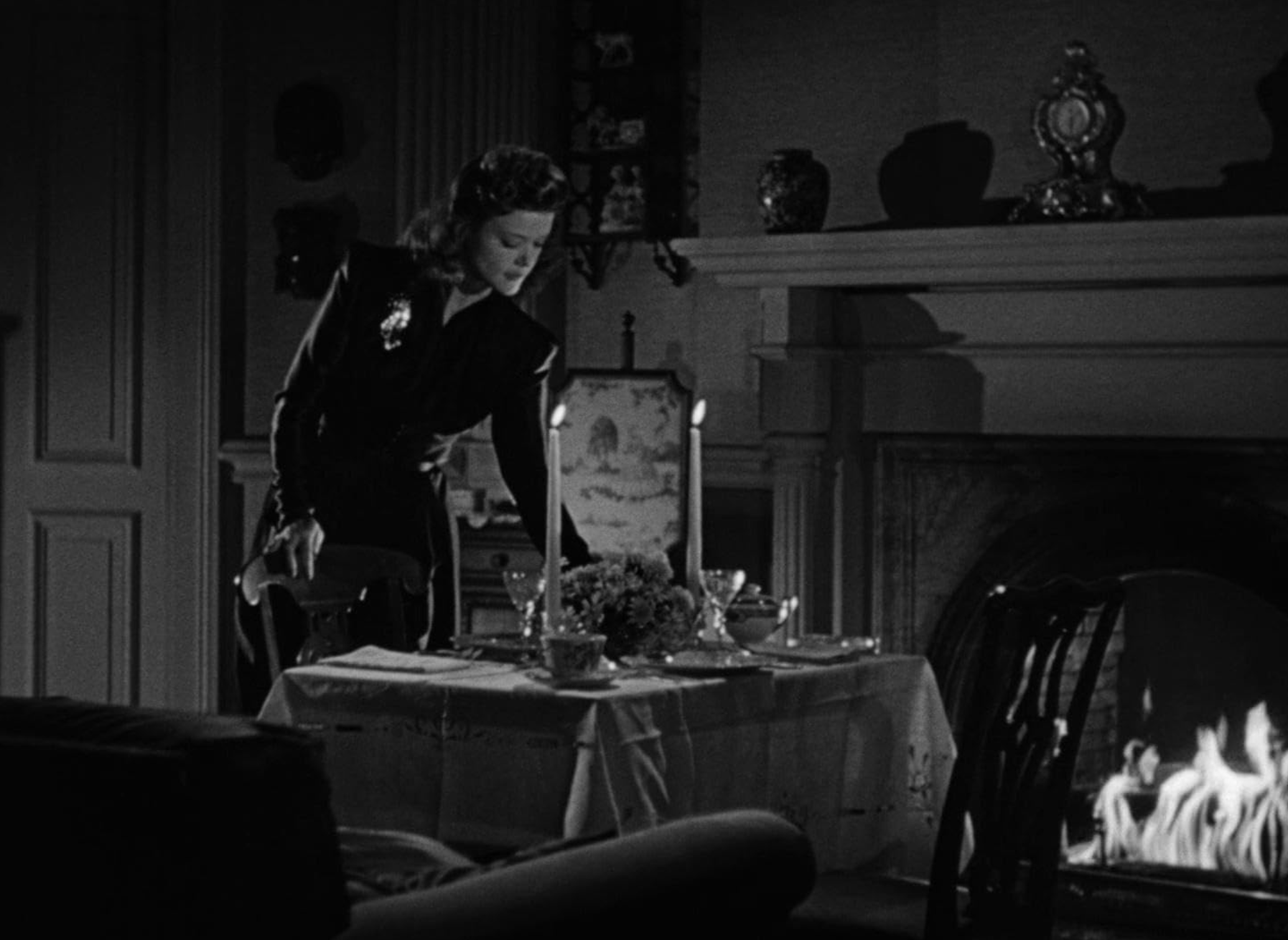
CONSTRAINT AND LICENSE IN ‘CAT PEOPLE’: 1942 and 1982
Never graphically violent, [Cat People] is nonetheless shocking, especially in the stalking and pool scenes. Never graphic sexually—not the barest inch of customarily hidden skin is exposed—it’s nonetheless erotic. The heart of the film is the fear of female sexuality, the sense that, if women were to give in to their carefully repressed urges, they would throw society itself into chaos.
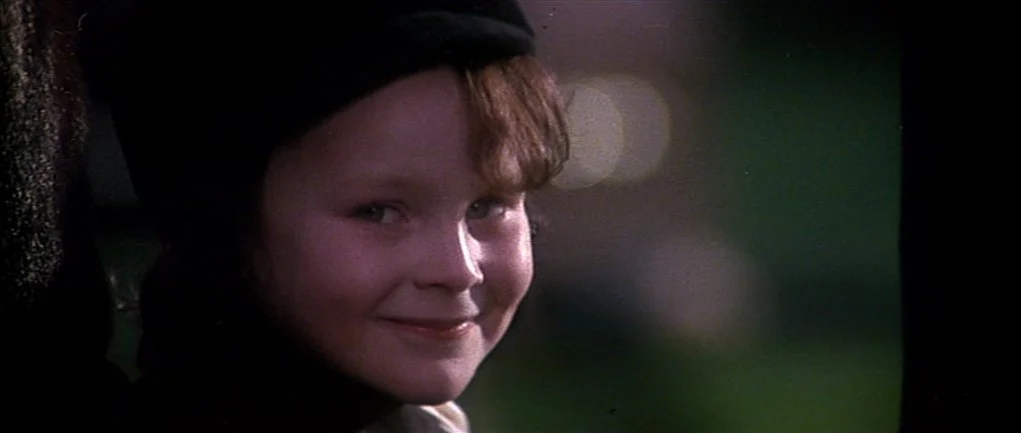
'The Omen': 50 Years Old and Still Relevant
Author Jane Nightshade recounts seeing The Omen in theaters on its release in 1976: “In the summer of 1976, the Bicentennial Year, I was determined to see the upcoming new horror film, The Omen. I was sixteen, and it was rated R—no one under 17 admitted without an adult chaperone. Fortunately, I was able to convince my older sister to accompany me and my parents, reluctantly, allowed me to go….”
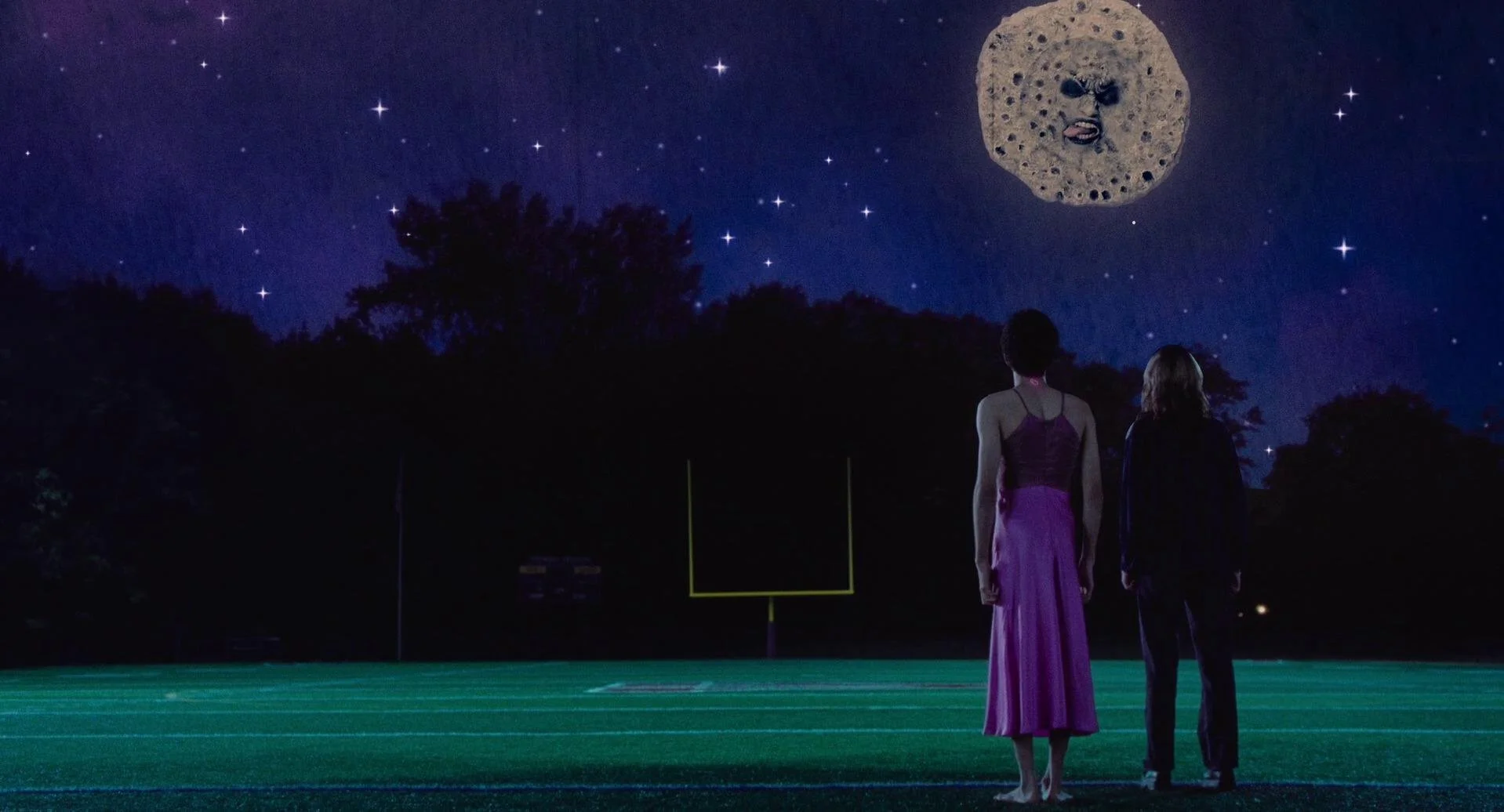
“There is Still Time”: Self-Annihilation in ‘I Saw the TV Glow’
Glow, directed by Jane Schoenbrun, was released in 2024, and has built up a not-undeserved reputation as being the modern trans horror film. Its protagonist is Owen, a timid individual with no close relationships, cannot look other people in the eye, and doesn’t appear to be able to understand or articulate his emotions. Owen bonds with an older girl, Maddy (Jack Haven), over a shared love of the fictional TV series The Pink Opaque. The show is mocked and derided by Owen’s abusive, hyper-masculine father as being “for girls,” so Maddy supplies Owen with videotapes of the show to watch in secret.
![[Movie Review] Avalon Fast’s “CAMP” is the Latest in the New Wave of Transgressive Filmmaking](https://images.squarespace-cdn.com/content/v1/5d3e481bc5a6e40001b215a8/1782401219629-WQRPE1S2P04BE4SNHMJ2/mPAUB3_Q.jpeg)
[Movie Review] Avalon Fast’s “CAMP” is the Latest in the New Wave of Transgressive Filmmaking
The knee-jerk synopsis you’re likely to hear most frequently for CAMP is a dreamy, mumblecore version of The Craft. And honestly, that’s a fair place to start. Like that ’90s classic, CAMP does center on a group of teen girls who form a coven, of sorts, and their magic does have real manifestation. Unlike The Craft, though, CAMP doesn’t really have a Fairuza Balk type character that drives a movie-defining wedge into the sisters, CAMP’s coven is one of empowerment and support—for better or worse.