
5 Horror Films that Blend Fear with Unexpected Twists
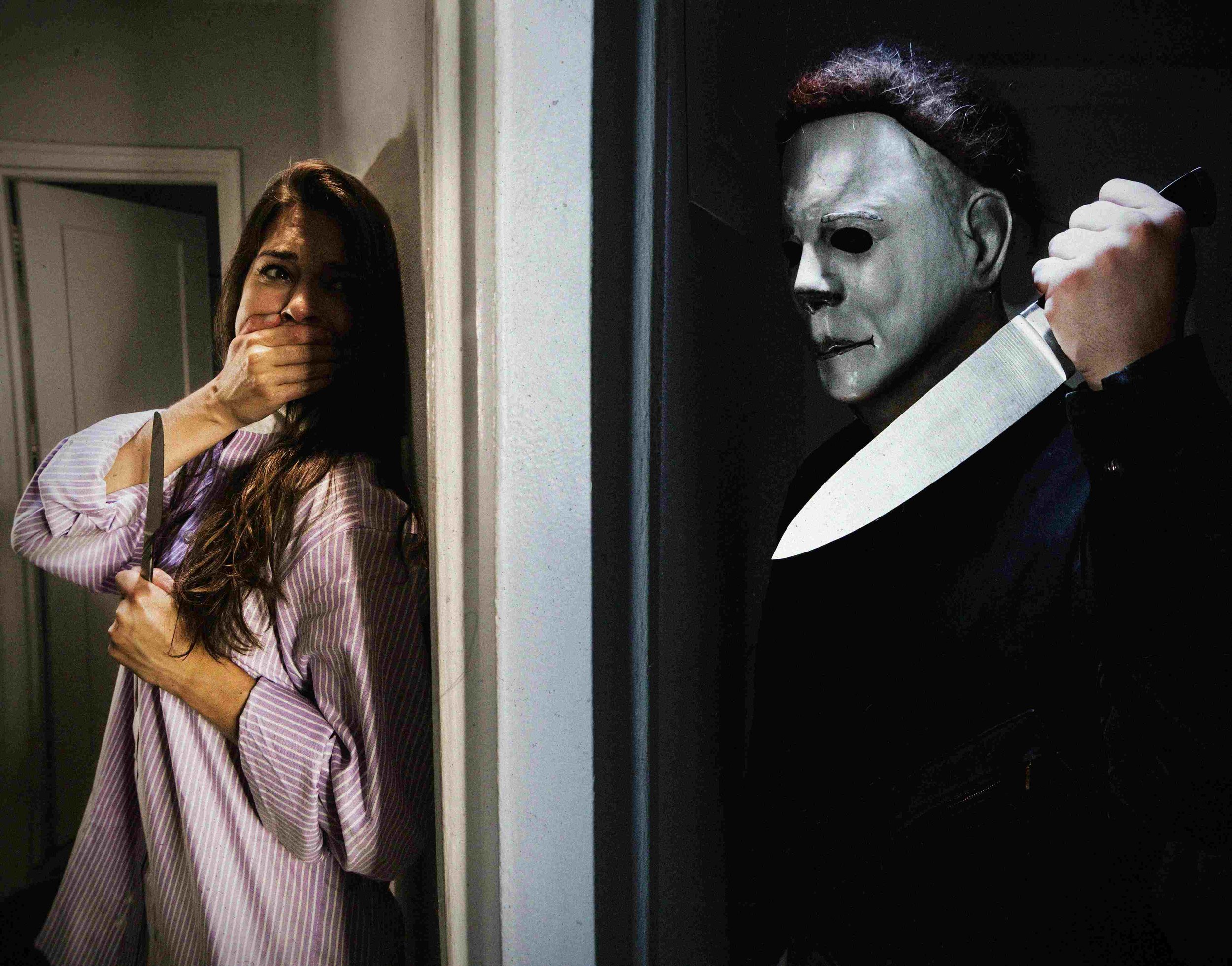
Horror movies have been scaring the hell out of us for decades, but let's be honest—most follow the same tired formula. What separates the truly great ones from the forgettable jump-scare fests? Those moments when a film completely pulls the rug out from under you—when everything you thought you knew gets turned upside down.
I've handpicked five horror films that don't just want to make you scream—they want to mess with your head. These movies prove that the best scares come from stories that make you question everything. Sometimes, even weeks after you've left the theater.
The Sixth Sense: The Twist That Changed Everything
You can't talk about plot twists without mentioning The Sixth Sense (1999). M. Night Shyamalan basically wrote the playbook on how to blindside an audience.
Here's a kid who sees dead people. Sounds simple, right? Bruce Willis plays the child psychologist trying to help him, and we're all rooting for this mentor-student relationship. But then that ending hits you like a freight train.
I won't spoil it (though honestly, who hasn't seen this by now?), but the revelation forces you to mentally replay every single scene. Suddenly, all those little details you missed make perfect sense. It's psychological horror at its finest—the kind that gets under your skin and stays there.
The fear isn't just about ghosts. It's about realizing how much we miss when we think we're paying attention. It reminds me of online poker—a game where players must constantly reevaluate what they think they know about their opponents' hands.
The Others: When the Haunted Become the Haunters
The Others (2001) does something brilliant with the haunted house genre. Nicole Kidman's Grace lives in this creepy old mansion with her light-sensitive children. Weird stuff starts happening. So far, so typical.
But Alejandro Amenábar isn't interested in “typical.” The film builds this suffocating atmosphere—you can practically feel the darkness pressing in. Then comes the twist that flips everything.
What I love about this movie is how it makes you want to immediately watch it again. All those "supernatural" encounters suddenly make sense from a completely different perspective. It's a masterclass in misdirection that proves the best horror comes from what we don't understand about ourselves.
Get Out: Social Horror at Its Most Brilliant
Jordan Peele took the horror genre and gave it a much-needed wake-up call. Get Out (2017) starts as your standard "meeting the girlfriend's parents" setup. Chris goes to visit Rose's family for the weekend. What could go wrong? Everything, as it turns out.
What makes this film so effective isn't just the scares—it's how Peele uses horror to expose uncomfortable truths about race relations. The twist doesn't just shock. It forces you to confront societal issues we'd rather ignore.
This is horror with a purpose. It proves that the genre can be more than cheap thrills—it can hold up a mirror to society's ugliest aspects and make us squirm for all the right reasons.
The Cabin in the Woods: Breaking All the Rules
The Cabin in the Woods (2011) is what happens when filmmakers decide to blow up every horror cliche you've ever seen. Five friends go to a remote cabin. You think you know where this is going. You don't.
Joss Whedon and Drew Goddard crafted something that's part horror movie, part commentary on horror movies. Just when you think you've figured out the formula, they reveal there's a whole other layer. And then another layer. And another.
It's like they took every "why don't they just leave?" moment from horror movies and built an entire explanation around it. The result is both terrifying and oddly funny—a film that celebrates the genre while completely deconstructing it.
Shutter Island: Mind Games at Their Finest
Martin Scorsese doesn't make straight horror films, but Shutter Island (2010) comes pretty close. Leonardo DiCaprio's Teddy Daniels arrives at a psychiatric facility to investigate a missing patient. Simple enough.
But nothing on Shutter Island is simple. As Teddy digs deeper, reality starts to bend. The atmosphere becomes increasingly oppressive, and you begin to question everything—including your own perceptions.
The twist here isn't just about plot—it's about the unreliability of memory and perception. Scorsese plays his cards close to the vest, revealing just enough to keep you guessing until the very end. When the truth finally emerges, it's devastating.
Why These Movies Still Matter
These five films prove that horror works best when it respects its audience's intelligence. They don't rely on cheap scares or gore—they build genuine tension through storytelling.
Each one forces you to reconsider what you've just watched. They reward multiple viewings and stick with you long after the credits roll. That's the mark of truly great horror: it changes how you see the world, even if just for a moment.
The best plot twists don't just surprise—they feel inevitable in hindsight. These movies master that delicate balance, creating experiences that are both shocking and satisfying. They remind us why we love being scared in the first place.
Other Articles You May Enjoy…

Film Pittsburgh executive director Shanna Carrick discusses the expanding horror program at Three Rivers Film Festival, the new Romero Award, and helping independent filmmakers find their audiences in Pittsburgh.