The Aesthetics of Dread: Why Modern Horror Looks So Different Than It Used To
Horror movies often relied on familiar visual tropes. Dark hallways with flickering lights. Fog machines going crazy. Monsters staying partly in the shadows to enhance suspense and sometimes to manage effects limitations. Big old mansions with doors that always creaked.
The thing is, within the first five seconds of many horror films, you already knew what you were in for because they all followed the same visual playbook.
That playbook is not as dominant now. The truth is, some modern horror looks different from what came before. These films are sometimes bright, whereas many older ones emphasized darkness. They also use wide open spaces instead of cramming everything into tight, shadowy rooms.
What's interesting is that some of the scariest movies from the last few years take place in sunny fields and nice-looking houses. If you put something from 2024 next to something from 1994, honestly, it can feel like you’re watching two different approaches to horror.
Why Bright Scenes Ended Up Being Scarier
Darkness was always the go-to move for making people scared. And it makes sense, right? People naturally feel uncomfortable when they cannot see what is around them. But here’s what directors eventually figured out: everyone got used to it.
After decades of dark horror, audiences learned to brace themselves the second a scene went dim. The fear stopped landing because everybody already knew it was coming.
Brightness flips the whole thing. Your brain reads a well-lit room as safe. Nothing bad is supposed to happen when the sun is out. So when something awful does happen in broad daylight, your brain short-circuits. It does not know how to deal with it.
That trick of messing with what people expect shows up across entertainment in general and especially in online casinos. The experiences that grab you hardest are the ones that catch you off guard. Gaming platforms get this too, which is why sites reviewed on najlepszekasynoonline.com.pl put real effort into visual design and atmosphere, even though many think they offer only great bonuses.
The idea is the same. Whether it’s horror or interactive entertainment, the tension between what you expect and what actually happens is what keeps people engaged.
The bright horror approach gained major modern attention after Midsommar came out, though daylight horror existed decades earlier. Ari Aster made an entire horror movie set during a Swedish summer festival where the sun barely goes down.
According to The Numbers, it pulled in over $46 million worldwide on just $9 million. There were flowers everywhere. White outfits. Open fields. None of it looked scary at all. But it absolutely messed people up because nothing about the visuals warned you to be afraid.
Art House Directors Showed Up and Changed Things
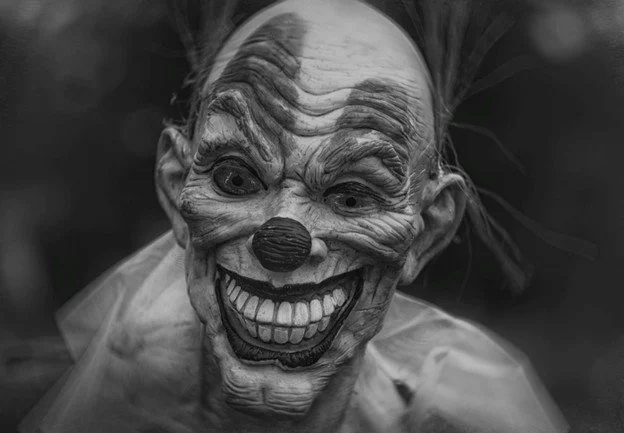
Directors like Robert Eggers, Jordan Peele, and Ari Aster brought a different mindset to scary movies. Instead of depending on things jumping out at you, their films use how things look and feel as the main way to get under your skin.
Robert Eggers went obsessively with the details for The Witch. Clothing, building materials, and household items were designed with strong reference to historical records. His team consulted museum collections and historical sources to ensure authentic materials and construction. All that effort pays off because the world feels so real that when supernatural stuff starts happening, it hits way harder.
This approach influenced prestigious and independent horror films. Even smaller horror films with tiny budgets started caring more about how things looked on screen. The idea that a horror movie could be genuinely beautiful while still scaring you opened the door for directors who probably would never have touched the genre before.
Color Started Doing the Heavy Lifting
Classic horror often used recurring color associations. A blue-tinted darkness meant something bad was coming. Red meant blood. Green meant toxic or supernatural. People processed those signals without even thinking about it because they had seen them many times.
Modern horror sometimes reworks those expectations. Hereditary often contrasts warm domestic lighting with increasingly dark and oppressive imagery. The family home looks like somewhere you would actually want to live. That is exactly what makes the horrible stuff feel so invasive. When terrible things happen in a space that looks like your own house, the fear does not stay at the cinema. It comes home with you.
Films like Mandy went in a completely different direction. Everything is drenched in crazy neon colors that feel like a fever dream. The movie looks absolutely gorgeous in ways horror has never really tried before. But that beauty becomes part of the threat. Your brain knows something this visually intense cannot be safe, even though it looks amazing.
Jordan Peele pulled something clever with Us. He used bright red throughout the film as both a visual identity for the Tethered and a symbol tied to violence and social division. The Tethered wear red jumpsuits that look cool and deeply wrong at the same time. Red still signals danger but also becomes about identity, class, and something broken in how society works.
Other Articles You May Enjoy…
![“Don’t Go in the Water”: Jennifer Van Gessel’s ‘Water Horse’ [Movie Review]](https://images.squarespace-cdn.com/content/v1/5d3e481bc5a6e40001b215a8/c8fc4742-1c98-46fc-bd57-db70f7556053/water-horse.jpg)