How Fear, Uncertainty & Thrilling Experiences Keep People Engaged in Horror
Fear is one of the few things people spend their lives avoiding, then willingly pay to feel. That contradiction is the engine of horror. It gives us a controlled brush with panic, dread, and the sense that something is wrong. We step into it knowing we can still step back out. That safety matters. It is what lets horror get under our skin without causing real harm.
That is why horror endures. Not because it startles, but because it strips life down to its most fragile parts. Good horror is never just about a monster, a ghost, or a body count. It is about exposure. It forces people to face what they cannot master, explain, or keep out. Control disappears first. Unease comes after.
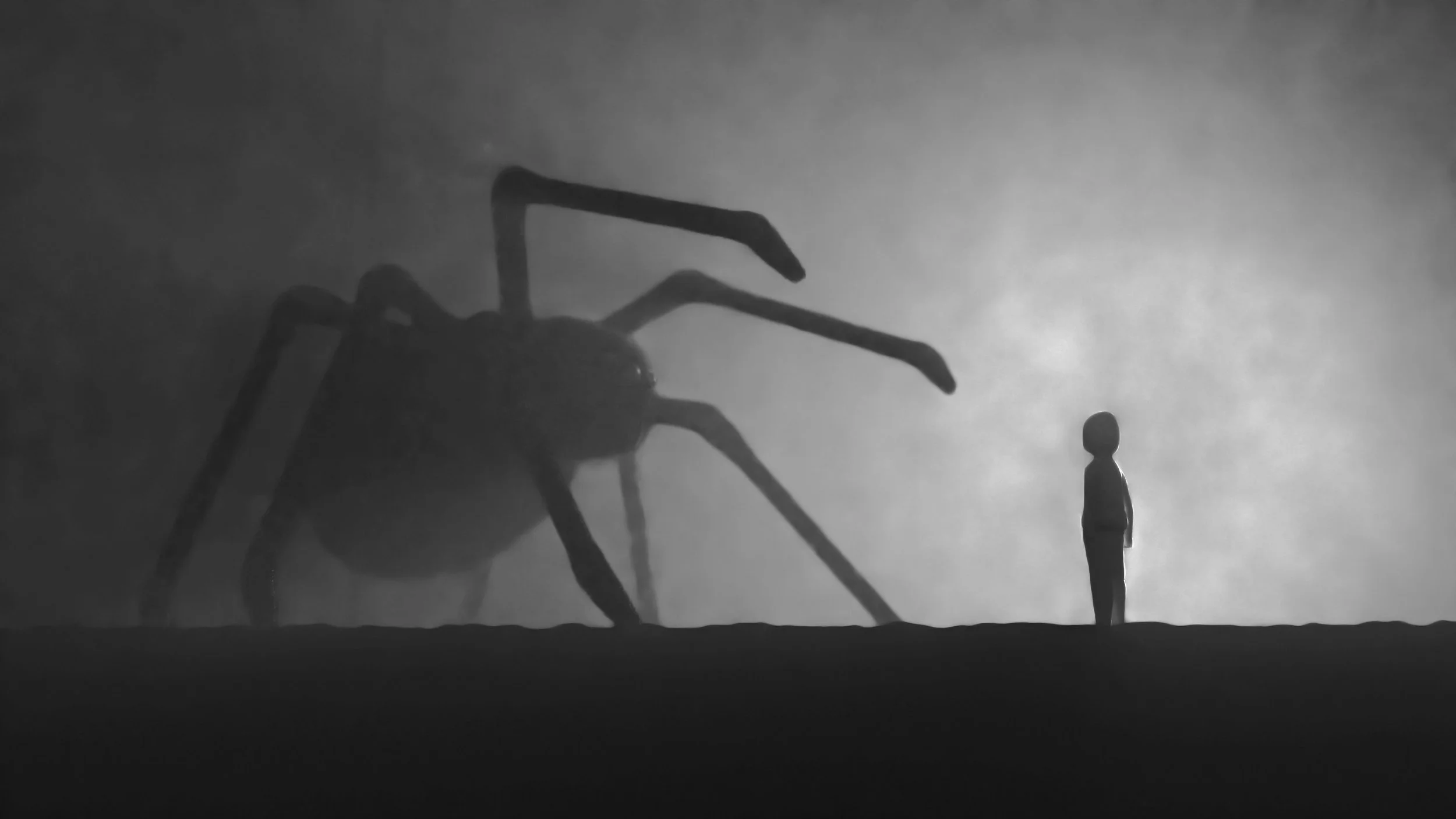
Uncertainty is where horror does its best work. The worst thing in the room is often the thing you cannot quite see. A hallway holds its breath. A shadow stays in place too long. A door stands open by an inch. Horror understands that the mind is a far better accomplice than any special effect. Once doubt enters the frame, fear starts building its own shape.
Why Horror Affects Us So Deeply
Horror hits hard because it goes through the body first. Fear speeds the pulse, tightens the muscles, sharpens attention, and puts the whole system on alert. In horror, that survival response is triggered by fiction. The danger is made up, but the reaction is real.
That’s where the pleasure comes from. Horror speaks in the body’s oldest language, but we’re never fully trapped. We can shut the book, stop the film, and break the spell. That distance is what makes the fear bearable, and, for some of us, strangely inviting.
It also gives private anxieties a face. Grief becomes haunting. Isolation becomes a presence in the room. Social breakdown becomes the end of the world. Horror works because it takes what already troubles daily life and makes it impossible to ignore.
Readers that are interested in the broader development of horror can learn about the genre’s background at Encyclopaedia Britannica.
The Role of Suspense, Chance, and the Unknown
Horror is rarely at its best when it is all blood and noise. Its real power comes from suspense. It unsettles by making ordinary things feel wrong. A bedroom no longer feels safe. A familiar voice turns suspect. Silence starts to press in.
That is why the unknown matters so much. The reveal can frighten, but the waiting is often worse. Horror lives in that stretch of uncertainty, when something is coming and you do not yet know its shape.
Suspense is not exclusive to horror. You feel the same pull in games of chance, where the real hook is not action but waiting. Roulette works because it stretches out that moment of doubt. The wheel spins, everything pauses, and for a second the outcome could still be anything.
That’s where a site like Highroller online casino fits in. It turns chance into a clean, immediate form of online entertainment. But I do not think it lands the same way as horror. Horror gives suspense meaning. The unknown is not just about what happens next. It is about fear, loss, and the feeling that control was never really yours. Roulette gives you tension. Horror gives that tension a shadow.
Horror as a Mirror of Cultural Anxiety
The Monsters Tell on Us
We can usually tell what a culture fears by the monsters it creates. Horror changes because our anxieties change with it. In one era, the fear might be repression or madness. One generation fears contamination or invasion. Another fears what happens when science outruns restraint. Modern horror tends to feel more intimate than that. It draws its force from emotional damage, social disconnection, and the sense that ordinary life has become harder to trust.
That is why horror keeps its edge. It does not just scare us for the sake of it. It takes the fears we already carry and gives them a body, a face, or a place. A haunted house becomes grief. A possession becomes lost control. A creature becomes everything we do not know how to contain.
Why Horror Still Gets Under Our Skin
What makes modern horror work so well is how familiar it feels. We see family tension, isolation, identity, and psychological strain pushed to a frightening extreme. Even when the story turns supernatural, the emotion underneath it usually feels real. We recognize it because some version of it already exists in ordinary life.
Why We Keep Coming Back to Fear
We don’t come back to horror just to be startled. We come back because it lets us look at fear without flinching. It gives dread a shape, a mood, a story we can sit with. That’s the real pull. The best horror doesn’t just scare us. It names things we already feel but don’t always know how to say.
That’s where its power comes from. Horror knows control is shaky and certainty never lasts for long. It knows the mind can turn silence, shadows, and half-seen things into something unbearable. Instead of smoothing those edges, it leans into them.
The genre lasts not because of blood, gore or the obvious scare. It’s about the pressure. The slow buildup that something’s wrong and it won’t let go. We may come for the thrill, but we stay because horror understands the biting feeling of unease.
Other Articles You May Enjoy…
![Alice Maio Mackay's 'The Serpent's Skin' [Movie Review]](https://images.squarespace-cdn.com/content/v1/5d3e481bc5a6e40001b215a8/d1404765-1041-407a-9176-efba67b1fe5b/1000017763.jpg)
Filmmaker and artist rebecca shapass debuts her newest film tempus fugit at the Mattress Factory in Pittsburgh, PA. In tempus fugit, shapass combines shots of three primary locations—a cryogenics facility, a pile of writhing worms, and a house filled with items left behind by the previous owner—while incorporating elements of horror and experimental cinema.