
The 5 best horror films about Hollywood
There are many films that explore the behind-the-scenes world of Hollywood—in different eras, under different circumstances, and across various genres.
It could be a large-scale, big-budget epic drama starring Brad Pitt, Margot Robbie, and even a real elephant, such as Babylon (2018), which depicts the “golden age” of Hollywood; or a hilarious comedy like The Naked Gun 33⅓ (1994), where Leslie Nielsen tries to save the Oscars from a terrorist attack; or even a dark historical comedy musical, such as Hail, Caesar! (2016) by the Coen brothers, set during the era of Hollywood epics.
It could also be noir, a mystical thriller, or even horror. It is precisely this “dark triad” that defines the films in the selection we’ve put together for you.
Mulholland Drive
Director: David Lynch
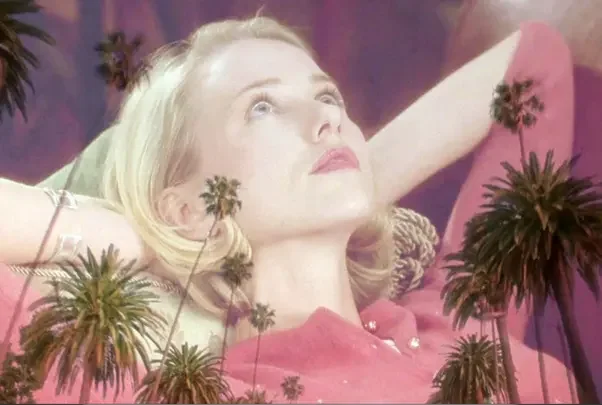
One of the most famous lines from David Lynch’s Twin Peaks series is: “The owls are not what they seem.” This phrase perfectly captures the essence of the legendary director’s work, which often defies genre and can leave viewers questioning what is really happening. Yet each of his films carries a unique, hypnotic magic that makes them impossible to turn away from. Mulholland Drive is no exception—a surreal neo-noir thriller with mystical undertones that earned Lynch the Best Director award at the 2001 Cannes Film Festival and an Oscar nomination in the same category.
Lynch himself described the film as “a love story in the city of dreams,” but as the story unfolds, it gradually transforms into a nightmarish horror. Set in Los Angeles, the plot follows two women. Rita (Laura Harring) loses her memory in a car accident and meets Betty (Naomi Watts), a talented young actress. Together, they try to restore Rita’s memory, but their journey is full of mysteries tied to Hollywood’s hidden and sometimes dark backstage world. Along the way, they even encounter a dead body, adding to the story’s tension.
The film highlights the corrupt and toxic side of the film industry, yet it is also deeply fascinated by Hollywood, showcasing its allure through dreamlike cinematography. Fittingly, Mulholland Drive—the street itself—offers some of the best views of Los Angeles and the iconic HOLLYWOOD sign, symbolizing both the city’s beauty and its shadows.
MaXXXine
Director: Ti West
The most provocative horror thriller of the summer, MaXXXine, is the final installment of the X trilogy, which has already caused a sensation among film enthusiasts. All three films—X, Pearl, and MaXXXine—share themes of the pursuit of fame and its bloody price, as well as starring Mia Goth. However, each story stands alone, making them easy to watch independently.
Set in Los Angeles during the mid-1980s, MaXXXine follows Maxine Minx, a character familiar from X, who is on the verge of achieving her dream of becoming a star in mainstream cinema. But just as success is within her grasp, a mysterious serial killer, nicknamed the Night Stalker, begins targeting her. Not only does he threaten her life, but he also has the power to expose Maxine’s dark past—potentially destroying her career. The film keeps viewers guessing: Who is the predator, and who is the prey?

In addition to Mia Goth, the cast features Elizabeth Debicki (The Crown), Lily Collins (Emily in Paris), Michelle Monaghan (Mission: Impossible, Kiss Kiss Bang Bang), Kevin Bacon (Flatliners), Bobby Cannavale (The Irishman), and Giancarlo Esposito (The Mandalorian).
The Night Stalker himself is a character of notoriety, inspired by the real-life serial killer Richard Ramirez, who terrorized California in the mid-1980s. Ti West uses this dark historical reference to add tension and a chilling sense of realism to the film.
Hollywood glitz and high stakes
Hollywood has always been a city of dreams, risk, and spectacle—both on and off the screen. Just like in the film industry, the world of casinos thrives on high stakes, clever strategies, and the thrill of taking chances. It’s no coincidence that actors, producers, and creatives have long been drawn to the bright lights of the gaming tables, where fortunes can change in a single hand. For fans looking to experience a taste of that excitement from home, the Richard Casino promo code offers a way to enter the world of online gaming, blending the glamour of Hollywood with the suspense of big wins. In both arenas, confidence, timing, and a bit of luck can make all the difference, creating stories as captivating as any blockbuster.
Scream 3
Director: Wes Craven
All six films in the Scream franchise are connected to Hollywood in one way or another, as well as serving as an ironic take on the slasher and horror genres. But in Scream 3, the connection between horror and the film industry is strongest.
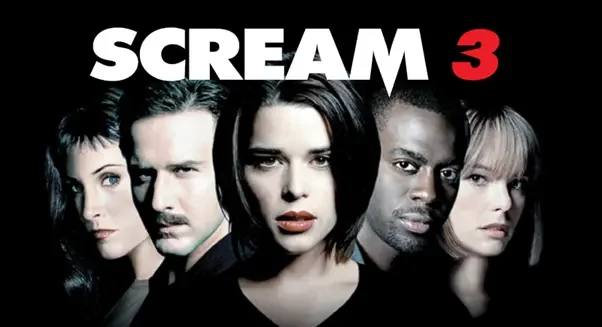
In Scream 2, we learned that Sidney Prescott’s story—a girl who survived encounters with the killer Ghostface—had been turned into a Hollywood movie called Stab. At the premiere of this film, a new series of murders begins.
Scream 3 takes place on the set of Stab 3: Return to Woodsboro. Actors involved in the production start dying in the same order as their characters in the film. Next to each victim, the killer leaves a photo of Sidney’s deceased mother, forcing her to confront the past she has tried to leave behind.
Interestingly, Scream 3 has more comedy and fewer graphic scenes than earlier entries. This adjustment was influenced by heightened sensitivity in the U.S. following the Columbine High School tragedy, leading Hollywood to tone down onscreen violence at the time.
Shadow of the Vampire
Director: E. Elias Merhige
Nosferatu: A Symphony of Horror is often considered the first true horror film, a silent classic shot in 1922 by German director Friedrich Wilhelm Murnau.
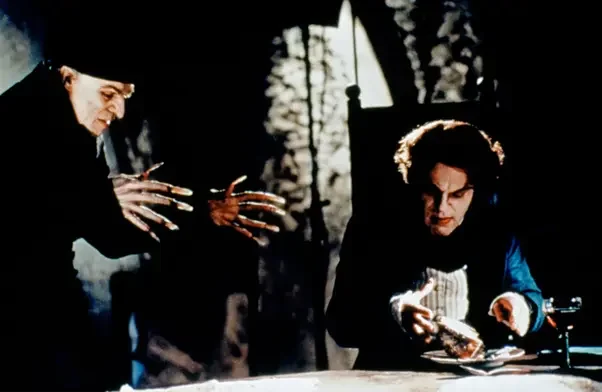
Actor Max Schreck played the vampire Count Orlok, a version of Count Dracula renamed to avoid copyright issues with Bram Stoker’s novel. Schreck’s performance was terrifyingly convincing, creating a vampire that audiences still remember today.
Nearly 80 years later, Hollywood director E. Elias Merhige asked a provocative question: how did Schreck manage to be so terrifying? His answer, in the world of the film, is simple—Schreck was a real vampire.
Based on this concept, Merhige created Shadow of the Vampire, an independent film blending alternative history, horror, and Gothic mysticism. The film premiered at the 2000 Cannes Film Festival.
John Malkovich plays Murnau, while Willem Dafoe portrays Schreck, a role that earned him Oscar and Golden Globe nominations for his chilling performance.
The Substance
Director: Coralie Fargeat
The satirical body horror film The Substance received a 13-minute standing ovation at Cannes, and Coralie Fargeat, who also wrote the screenplay, won the festival’s Best Screenplay award.
The story centers on Elisabeth Sparkle (marking Demi Moore’s triumphant return to the big screen), a superstar and Oscar winner who hosts a wildly popular fitness show. But Elisabeth is getting older, and one day her producer decides it’s time for her to retire. Unable to imagine life without public attention and admiration, Elisabeth encounters The Substance—a mysterious drug that stimulates cell replication and can create a younger, enhanced version of a person. The young Elisabeth, named Sue, is played by Margaret Qualley, known for Poor Things and Once Upon a Time… in Hollywood.
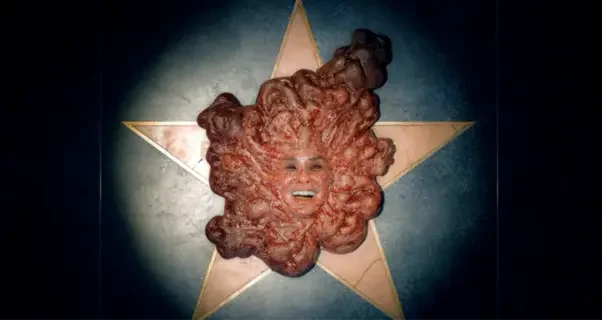
Although both versions of Elisabeth share the same consciousness, they exist physically apart, and the effects of the drug are temporary. So the question arises: who will ultimately remain—the original or the copy?
You’ll find the answer when you watch the film. The Substance is thought-provoking and gripping, and the time spent watching it will be well worth it.
Other Articles You May Enjoy…



Film Pittsburgh executive director Shanna Carrick discusses the expanding horror program at Three Rivers Film Festival, the new Romero Award, and helping independent filmmakers find their audiences in Pittsburgh.