
Can We Take a Hot Minute to Talk About Modern Scary Movies and Social Media?
Technology has provided the horror genre with ample fodder, more so when it comes to social media. The plotline sometimes errs on the side of the absurd, but the outcome is always the same.
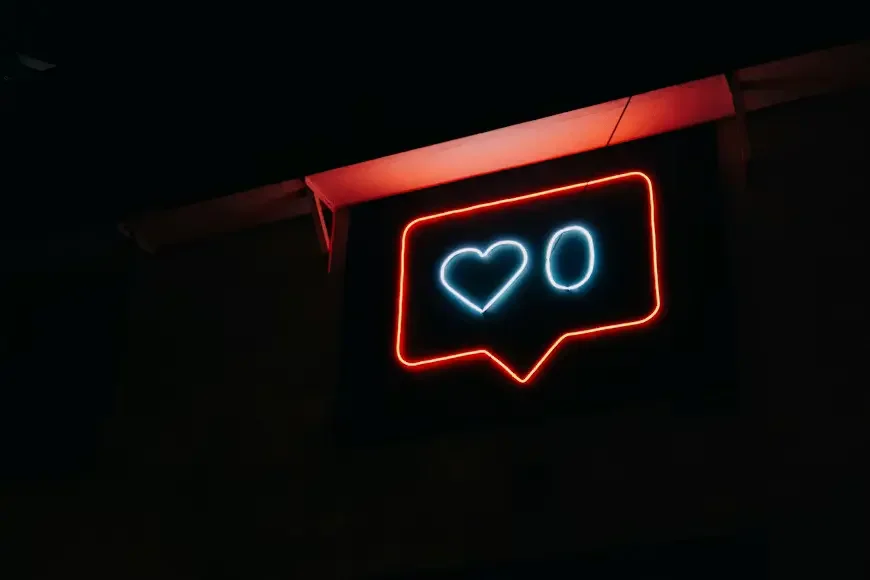
In a world of likes, shares, and followers, don’t follow the rules, and you die. Follow the rules, and you die. Bend the rules, and you die. Yeah, you get the gist of things.
Below, we’ll examine films like Smile, Unfriended, The Ring, and Pulse that explore tech-driven dread.
Smile, You’re It
Promotional campaigns went into warp speed when Smile was released in 2022. Actors were placed in crowds at live televised events and stood motionless with unsettling smiles directed at the cameras.
Soon, social media caught on, and the movie went viral before its official release. Generating massive buzz, online forums were awash with discussions on mental health and the power of suggestion.
The premise is simple. Dr. Rose Cotter (Sosie Bacon) is convinced she’s being haunted by a supernatural entity following the suicide of one of her patients. No one believes her, thinking she’s suffered a mental breakdown.
Unsettling and paranoia-driven, the horror explores how trauma manifests in disquieting ways. Due to TikTok’s format, which allows for concise analysis of complex themes, the platform became the go-to place for #TraumaTok.
And yet the irony of it all was that TikTok was the very platform accused of creating “filter bubbles.” The TikTok mental health lawsuit based its case on the filter bubbles approach.
In October of last year, NPR ran a report on internal TikTok communications that were made public. The report stated that company executives knew their algorithm could addict users in as little as 35 minutes.
TruLaw acknowledged the findings and branded the filter bubbles as dangerous, trapping vulnerable young users in cycles of harmful content.
Social Media’s Main Character Energy in Unfriended
Not content with being basic, social media apps took on mean girl energy in Unfriended. Facebook, Skype, and YouTube played starring roles, antagonizing their victims via their online accounts.
A modern take on the found footage genre, the entire movie unfolds on a laptop screen. But here’s the plot twist. When first released in 2015, The Guardian described Unfriended as the first time our online personas were successfully portrayed on the big screen.
It was a jarring social commentary that hit a little too close to home. With cyberbullying as the main theme, the movie employs clever plot devices like pop-up ads and prompts, designed to enter the unconscious mind.
Heathers for the modern generation, Unfriended is a tale as old as time: The popular group gangs up against the outsider, leading to terrible consequences. In this case, payback is a generic avatar joining their online group chats.

The Spread of Digital Information
Whether you watched the original Japanese version or the U.S. remake, the jump scares in The Ring only served to progress the storyline.
A cursed videotape must be copied and shared, or your fate is death. Sound familiar? Years before “going viral” was the impetus of social media fame, The Ring foretold the future, predicting a world where people are compelled to share every detail of their lives online.
During its analysis of the movie, Little White Lies stated that Hideo Nakata encapsulated the transition of society becoming increasingly connected, using a vengeful spirit and a deadly curse as the vehicle. Without knowing it, The Ring was an eerily prophetic warning about viral media.
Decades later, The Ring’s message remains tragically relevant: society’s addiction to social media and childhood neglect.
Techno Horror Comes to Town
A remake of the 2001 Japanese horror film Kairo, Pulse (2006) touches on themes of loneliness, social alienation, and the fear of technology.
Released before platforms like Facebook and X became part of the cultural zeitgeist, Pulse is considered highly relevant to the social media age. The paradox is that technology, meant to bring people together, isolates them, writes Cineccentric.
Characters use computers in search of connection. Instead, they remain separate, highlighting that online interaction can never replace real human connections.
Once the audience realizes that the ghostly entities are imprints of people who died in isolation, it becomes more tragic. One could summarize that it represents how people use social media to leave behind a digital footprint to feel less lonely.
Not Another Scary Movie
Serious movie buffs tend to dismiss horror movies due to thin plotlines and weak gimmicks. And yet every so often, a movie comes along that not only scares you silly but also acts as a cautionary tale of what could go wrong.
We’re on a long, slippery slope of no return, and once we reach the precipice, there’s no going back. If there’s anything the lawsuit against TikTok has taught us, it’s that social media must be consumed in moderation, and we should hold social media companies accountable.
And if you’re not a believer, watch these movies. They might keep you up at night, and most importantly, spark conversations about the good, bad, and dirty side of social media platforms.
Other Articles You May Enjoy…

Rebekah Faubion’s adult horror debut delivers the bloodshed promised by its “good for her” premise, then asks whether justified anger can become permission to control and punish. Its inherited-trauma metaphor is stronger than its softened final reckoning, but that moral tension gives the revenge story weight.