
What Sleeps Beneath is an online magazine that explores the horror genre as one of the most important cultural vehicles of our time. It is a home for all horror-loving nerds, and a space to investigate what the genre tells us about ourselves. We write book and movie reviews, conduct interviews, and write original academic research.
Browse the full archive, or search for a specific article. Not sure where to start? Use the drop-down to browse by topic, format, or subgenre.
Archive
- B-Movies & Cult Classics
- Body Horror
- Books & Literature
- Classic Horror Films
- Cosmic Horror
- Cults & Religious Horror
- Essays
- Events
- Folk Horror
- Found Footage & Mockumentary
- Gendered & Queer Horror
- Ghosts & Hauntings
- Holiday Horror
- Independent Films
- International Horror
- Interviews
- Lists
- Possession & Exorcism
- Recipes
- Sci-Fi Horror
- Slashers
- Survival & Environmental Horror
- TV
- Thrillers
- True Crime
- Vampires
- Werewolves & Transformations
- Women in Horror
- Zombies
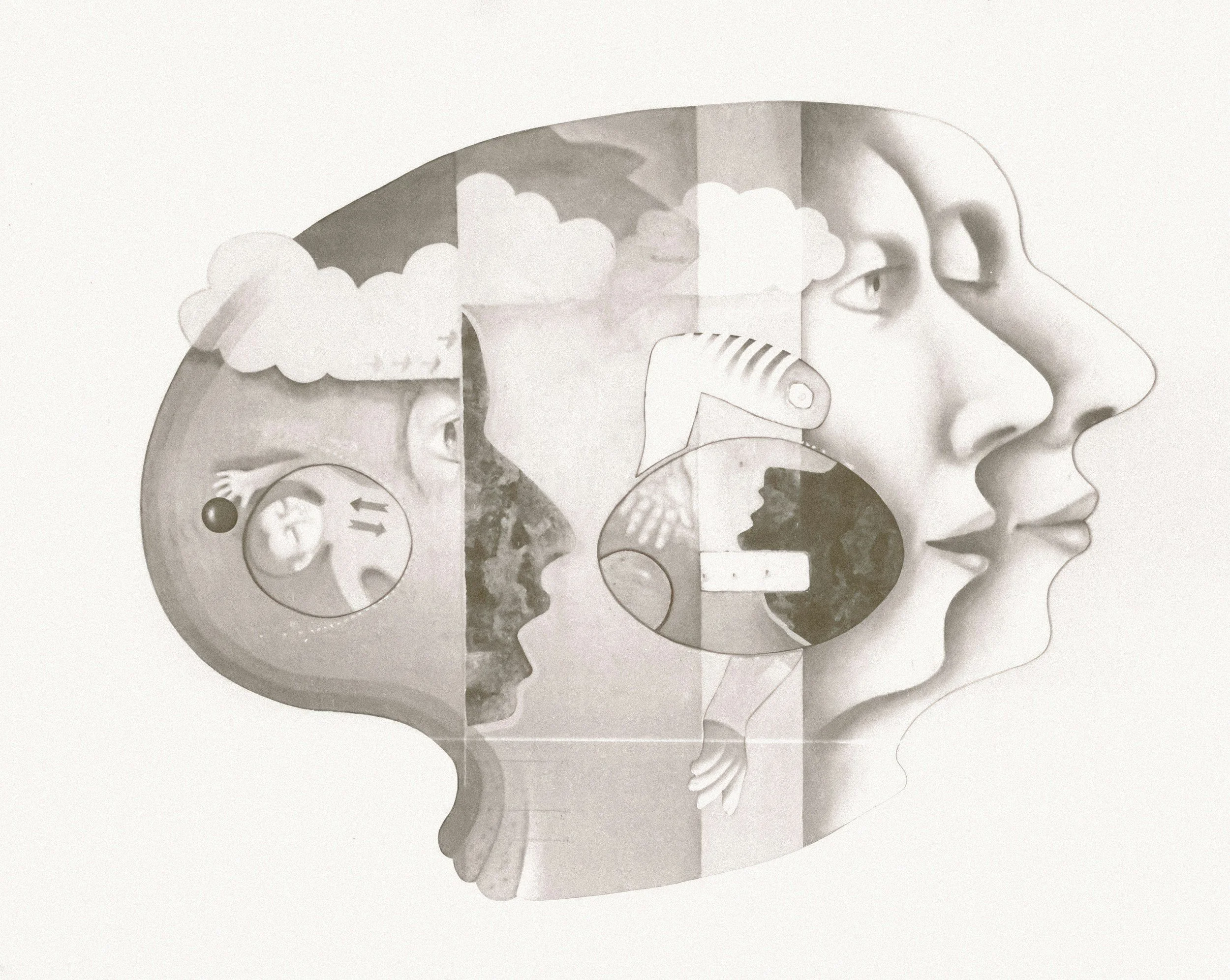
Horror and the Architecture of Dehumanization
The term “social horror” seeks to highlight and challenge real-life injustices and everyday violence. It moves away from the notion of the supernatural monster to emphasize the human being as the primary source of violence and cruelty against others.

“The Kids Are All Fright”—Notes on ‘Obsession,’ ‘Backrooms,’ and the Promise of Gen Z Horror
The year is 2026, and it’s a good time to be a horror fan. From compelling expansions upon beloved franchises such as 28 Years Later: The Bone Temple (released January 16), Ready or Not 2: Here I Come (March 20), and Evil Dead Burn (July 10), to inventive new takes on the genre such as Send Help (January 30), undertone (March 13), Hokum (May 1), and Leviticus (June 19), both new and established voices in the film industry have already delivered delicious frights, dark comedy, and searing social commentary that will undoubtedly keep thrill-seekers coming back to the theater for more.
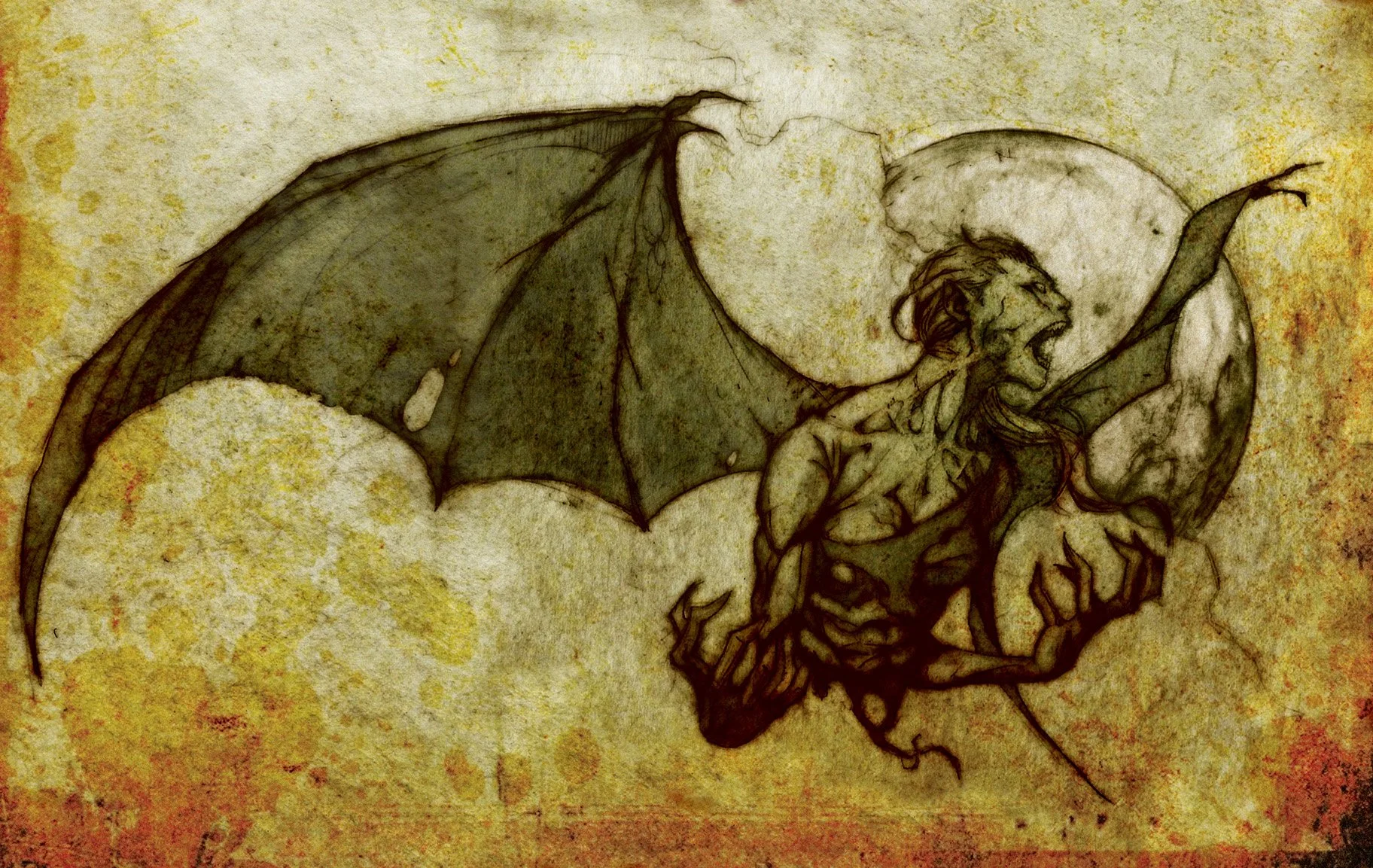
The Manananggal: Monstrous Femininity, Colonialism, and Filipino Identity in Cinema
Within Filipino folklore, no creature captivates and horrifies like the viscera-sucker, or manananggal. In Ramos’s taxonomy of aswangs, they are typically portrayed as beautiful women with long hair who, by night, split at the waist and detach from their lower body, hiding it in a safe place, such as under a banana tree. The top half sprouts wings and takes to the night to hunt for prey, intestines flying behind her.
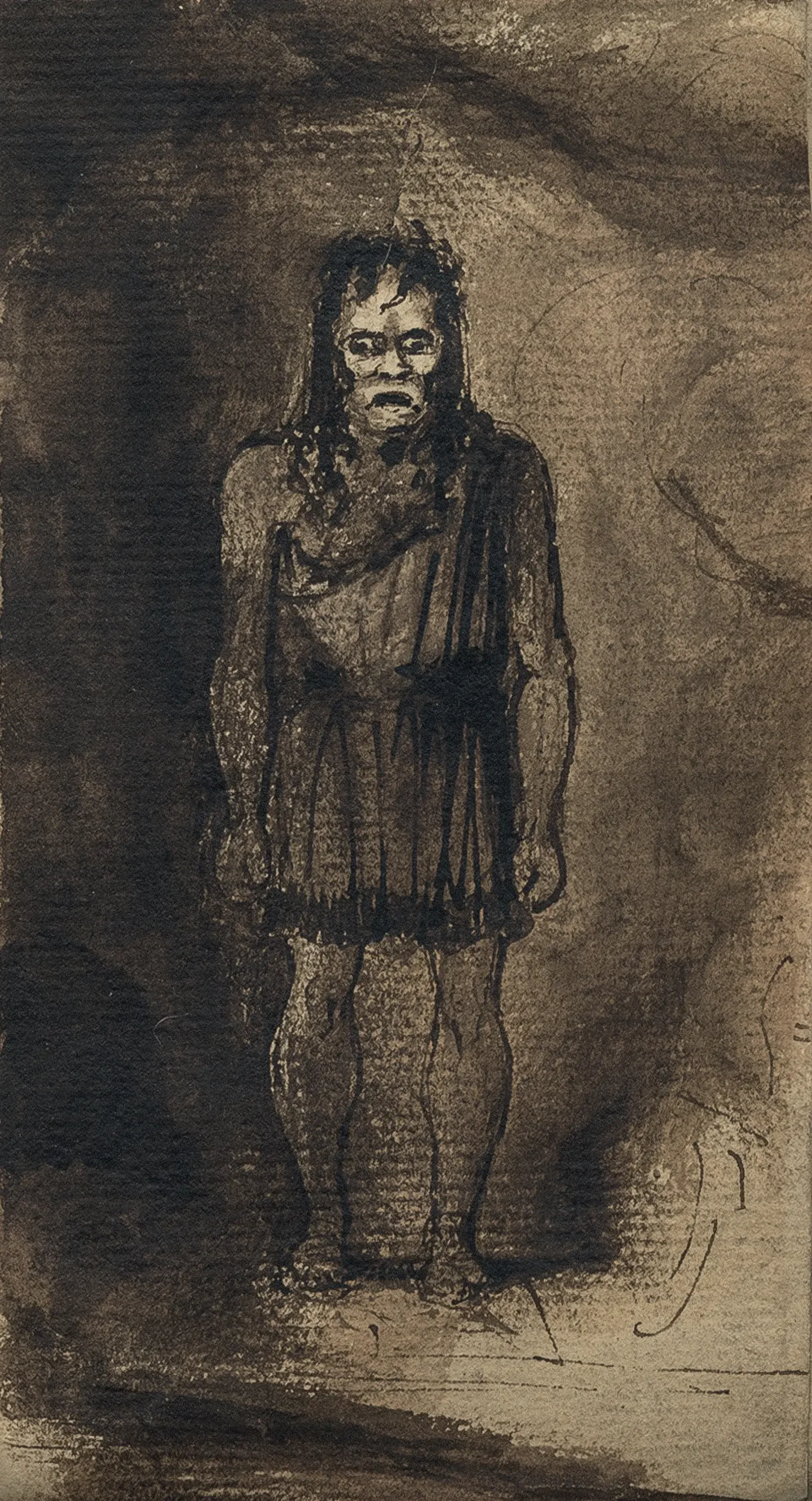
We Are the Other: Embracing Transgender Monstrosity in Horror Literature
The experience of being trans, of realizing one’s identity is not what it was declared at birth and undergoing a social or medical transition, unquestionably alters how a person views the world around them. Stryker’s focus on transgender rage is one example of how scholars address the hardships of trans life, but there are also positive aspects of transness to be explored using this same metaphor. The transcendence of boundaries features heavily in the expression of trans monstrosity.
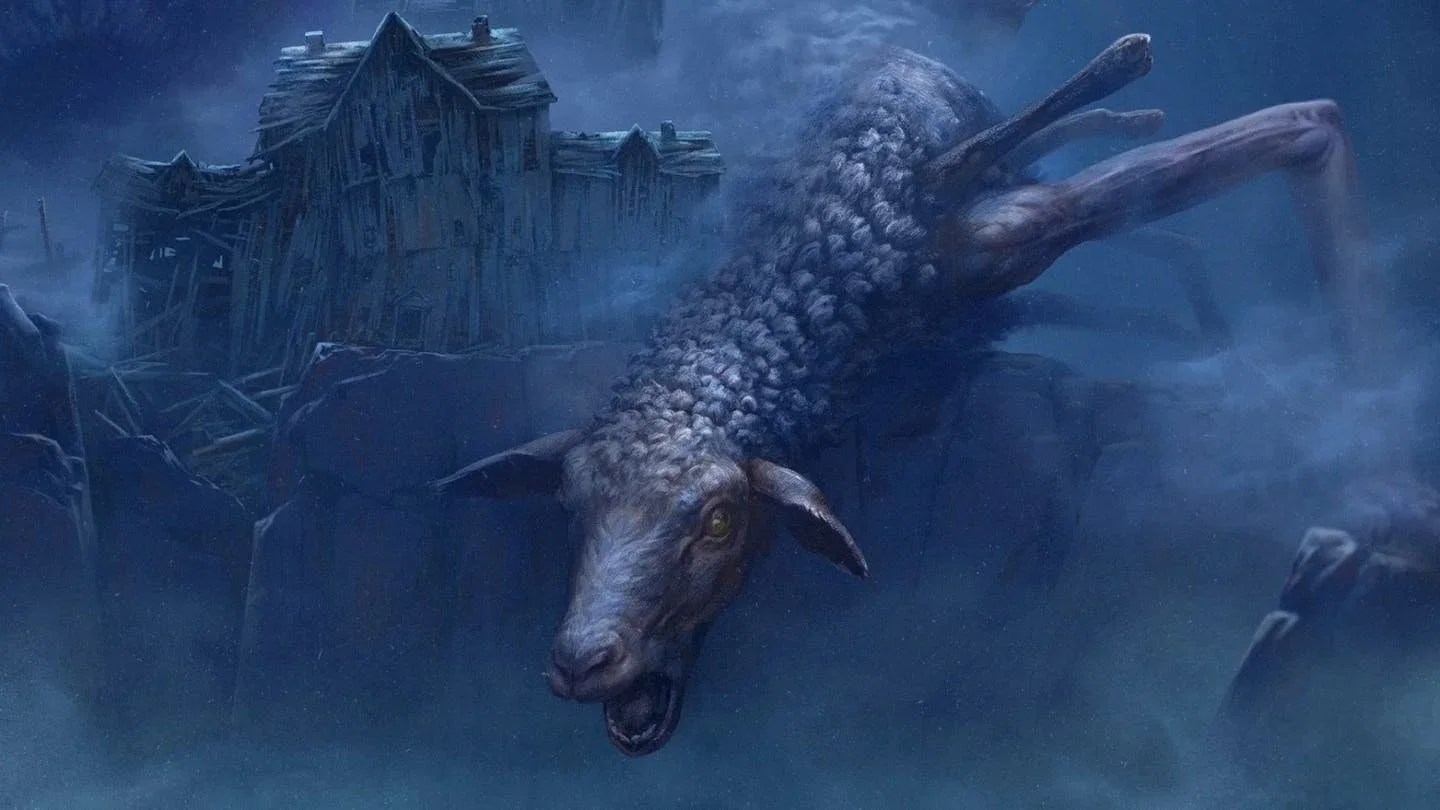
bunnydeath: Jiibayaabooz and the De-christing of Indigenous Horror Amidst Fascist Hellscapes in ‘Reanimal’
Reanimal, Tarsier Studios’s latest near-wordless video game, shows players a hellscape steeped in fascism where five children journey into the maws of death. On the surface, it is about a boy finding his beloved sibling amongst the wreckage and reuniting them with friends. Yet, nothing is what it appears as these masked travelers traverse realms of watery nightmares.
![[Book Review] ‘New Blood: Critical Approaches to Contemporary Horror’ (2021)](https://images.squarespace-cdn.com/content/v1/5d3e481bc5a6e40001b215a8/1771939414929-RYHRUZYSVD519FZITQQ1/9781786836342.jpg)
[Book Review] ‘New Blood: Critical Approaches to Contemporary Horror’ (2021)
One of the things I like most about horror is its range. Horror can be represented across the full spectrum of media and found lurking within even apparently-conflicting genres. I look back over the past few years and think beyond the obvious horror-homes of film and TV to examples like Tom Wright’s harrowing stage adaptation of Picnic at Hanging Rock, the haunting and hauntological sci-fi horror art books of Simon Stålenhag or even Cryo Chamber’s ever-expanding discography of sinister, abyssal dark ambient.
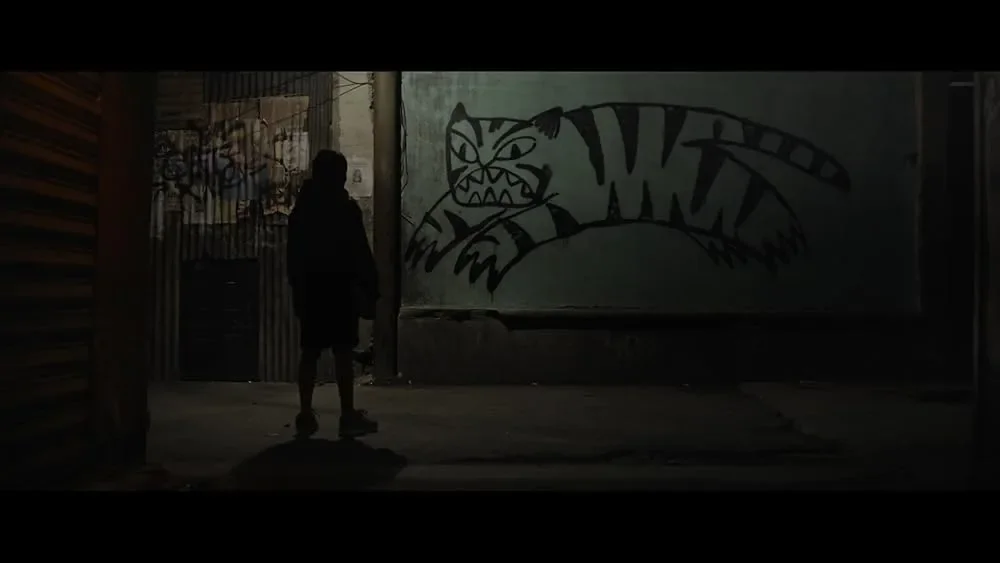
Mexplatterpunk: How to Write with Blood
Horror, besides being entertaining, is also a powerful tool for raising awareness, reflecting both individual and collective fears and concerns. While every country has its own horror manifestations, this essay focuses on Mexico because of its unique and unsettling relationship with horror. This relationship is analyzed under the term “mexplatterpunk.”
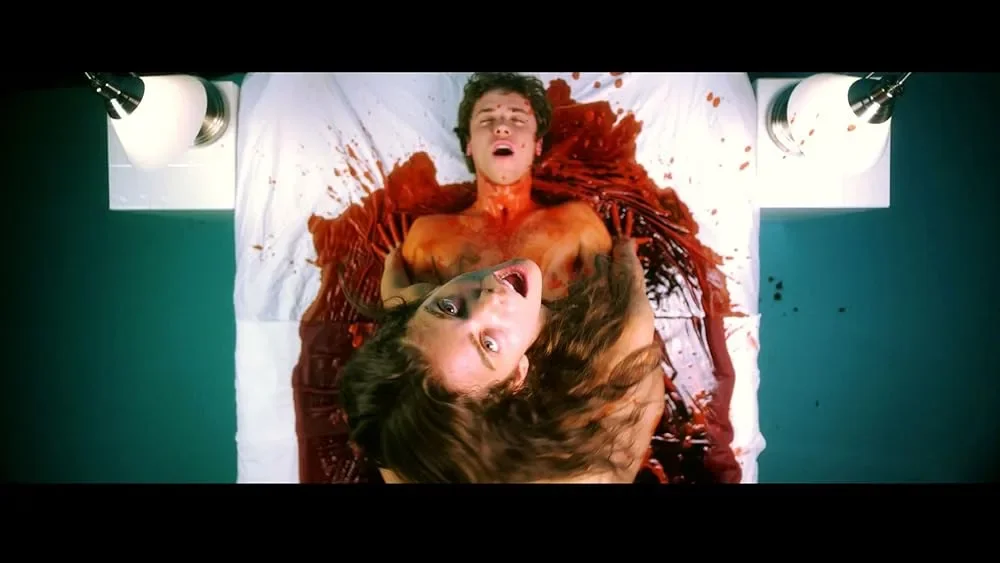
In Defense of Gross Girls: Why Horror Needs Unpleasant Female Protagonists
The depiction of the undesirable castaway as horrific monster is a tale as old as Frankenstein, and in the centuries that have passed, this archetype has taken many different shapes, and we can thank new applications of abjection for that. Is it because of the violent nature of the mutilation, or is it because of the repugnant visage of the human body?

FBI Agents, Serial Killers, and Red Lipstick: On Denise Bryson and Buffalo Bill
In the '90s, after the precedent was set over the last decade, two wildly different trans characters were brought into existence just two months apart. The first, Special Agent Denise Bryson, DEA in Twin Peaks. The second, serial killer Buffalo Bill in The Silence of The Lambs.

Private Traps: Transphobia, Psychosis, and Grief in ‘Psycho’
Alfred Hitchcock’s Psycho continues to be tumultuous ground for trans authors and viewers. In Private Traps, Dave Riser posits questions around the transphobic and ableist histories that force us to contend with this beloved classic film.
![A Self in the Setting: Exploring Dracula’s Castle [video game horror]](https://images.squarespace-cdn.com/content/v1/5d3e481bc5a6e40001b215a8/1738798336699-OXLE0MWHEWE0DODVC10N/castlevania1997.png)
A Self in the Setting: Exploring Dracula’s Castle [video game horror]
Out of all the pieces of pop culture that feature vampires, the Castlevania franchise stands out for one particular reason. Everyone’s favorite character? The castle. Rarely is the setting of a storyline one of the first things that fans recall. While it’s mostly fans of the Castlevania video games who are responsible for this pop culture preference, the castle depicted in the critically acclaimed Netflix series has also received praise.
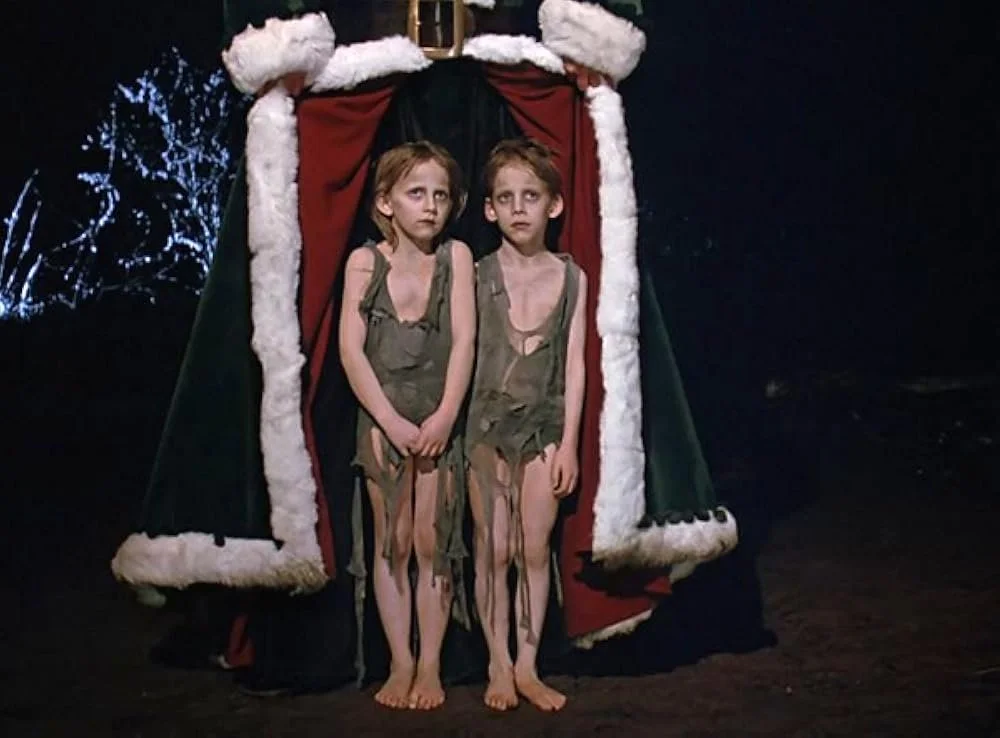
Kids These Days Don’t Walk Abroad Among Their Fellow Men Anymore
Hauntings are a very well-known horror phenomenon. From Shirley Jackson’s The Haunting of Hill House and its many adaptations to the countless haunted houses that pop up every October, to haunted house movies like J. A. Bayona’s The Orphanage (2007) and The Conjuring (2013), directed by James Wan, horror audiences are no strangers to ghosts. But a horror story that is often unjustly left off of horror lists, though it features prominently on many Christmas ones, is Charles Dickens’s A Christmas Carol.

The Tragedy of Jason Voorhees: How 3 Sequels to a Low Budget Slasher Film Created an All-Time Great Film Trilogy
Cinematic trilogies are common, but few tell the epic anti-hero story as well as the Friday The 13th films. These beloved movies capture one of the most iconic horror characters of all time: Jason Voorhees.

Screamin’ in the Rain: The Orchestration of Catharsis in William Castle’s ‘The Tingler’
How can The Tingler—a post-atomic horror film about a lobster-like creature that manifests on your spine whenever you are afraid—possibly be compared to something as life-affirming and fancy-free as a musical? If we set aside genre and look at the form and content of both The Tingler and another self-reflexive picture from the same decade, Singin' in the Rain, the correspondences between the different genres are fascinating.

Fracturing Identity: Self-Injury and Societal Violence in ‘The Substance’
Self-harm is a subject so taboo that even the horror genre struggles to depict it. The Substance is a film that embraces this difficult topic alongside aging, and bodily mutilation through the lens of societal pressures.
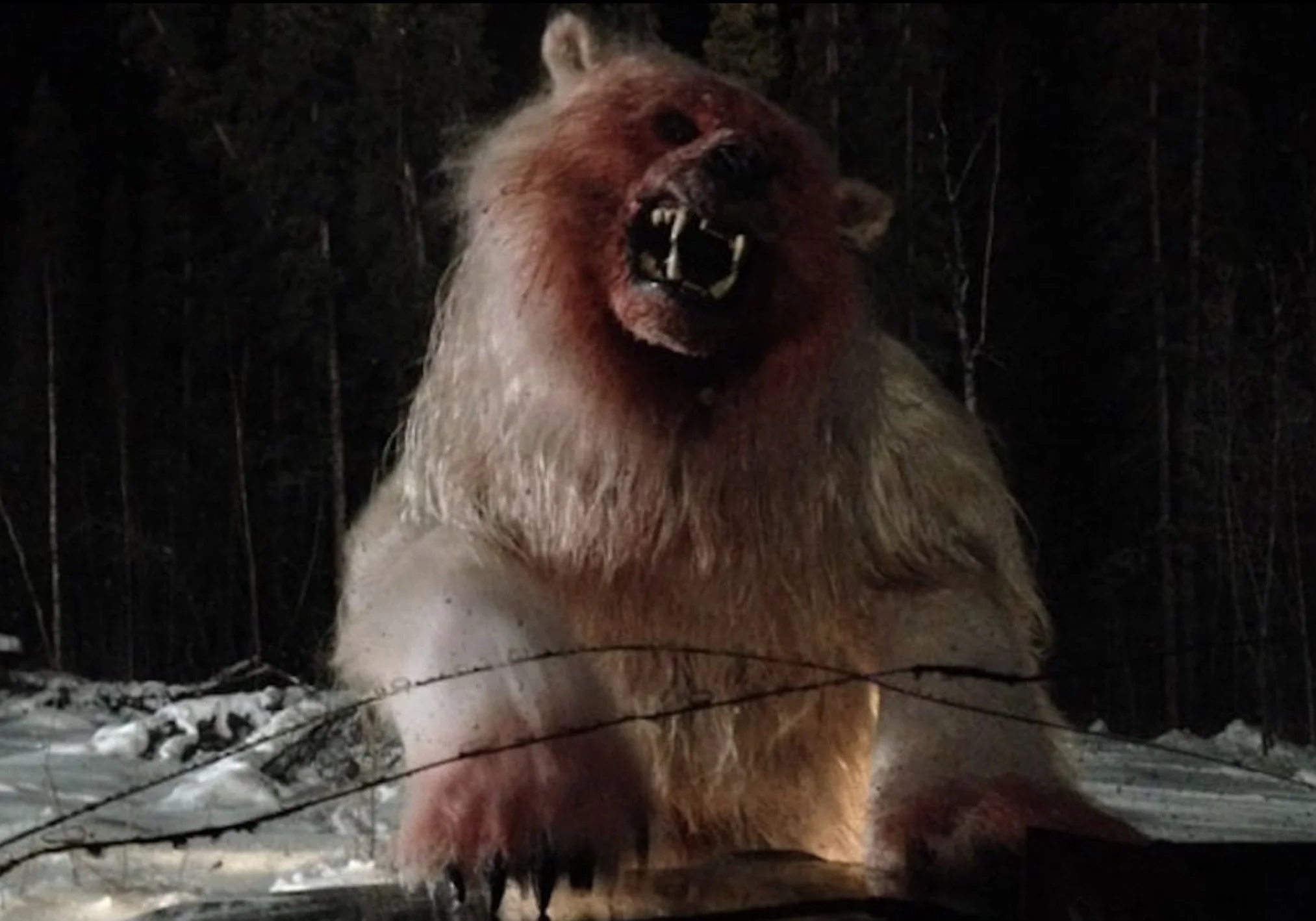
Fact or Fiction: Bears as Super-Predators in Animal Horror Cinema
Movies like Cocaine Bear and Unnatural have captured audiences for their extreme depictions of bears, but how does this dramatization of unpredictable bear attacks effect our relationship to wildlife off screen?

True Nature Contained: A Bear’s Primal Terror In Animal Horror Cinema
A lifetime combination of fictional and nonfictional encounters will weave terrifying images in our minds about encountering a bear in the woods. Grizzly and The Edge exploit the primal fear of being hunted by a brown bear, realistic or not.
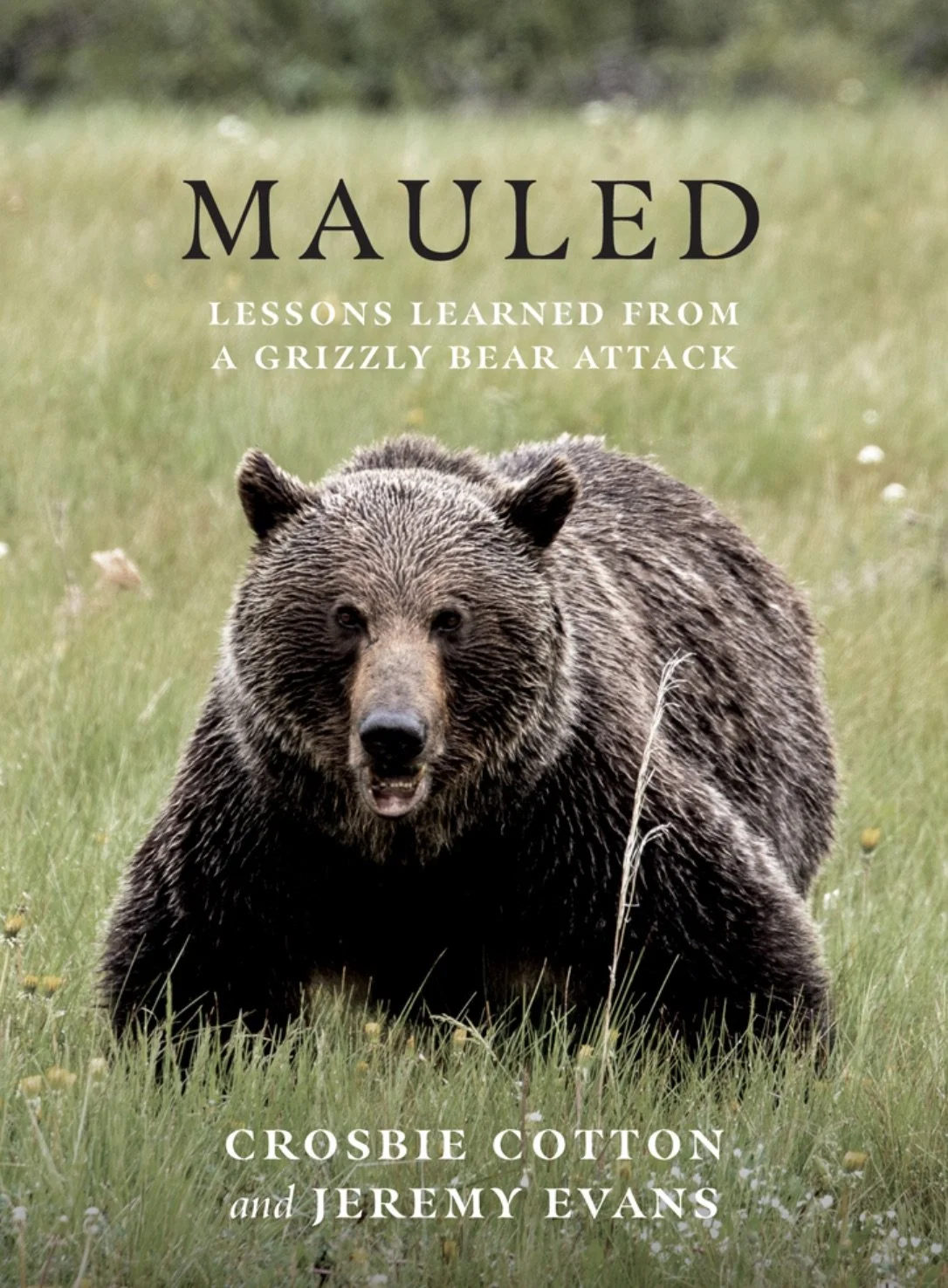
Immersed in Grizzly Bear Country: My Trip to Alberta After Reading ‘Mauled’
Welcome to Bear Month at WSB! Grizzly bears have long held anxieties for hikers and campers in the backcountry, and have made their way into the horror genre as a pseudo serial killer - but are these fears unwarranted?
The Horror Structure Paradigm: A Guide to Writing a Horror Screenplay
Investigating screenplay genres and how they are narratively separated based on their relationship to death.

The Mainstream Horror Protagonist – A Guide to Writing a Horror Screenplay
Arran Crawley discusses writing the horror screenplay and protagonist: There’s more than one way to structure a story—particularly horror with its detailed sub-genres.