
Bones (and love) and All

Taylor Russell as Maren in Bones and All, image via IMDB
Luca Guadagnino’s new release Bones and All is the perfect genre-bending rollercoaster of love, blood, and violence. The film stars Timothée Chalamet and Taylor Russell—a pair of misfit star-crossed lovers on the margins of society. Equal parts romance, coming of age, and horror, viewers are taken cross-country with Maren (Russell) and Lee (Chalamet) as the two try to make sense of the world—and themselves.
Although it’s never explicitly defined, Maren and Lee both suffer from a blood-thirsty condition and are forced to flee anything that resembles a normal life. Strangers at first, bound only by circumstance, the two quickly fall in love.
Bones and All resembles a vampire movie with a tinge of monstrous-feminine aesthetic. Maren struggles deeply with the monstrosity of herself. She is constantly battling her desire to be normal and her need to feed, walking on the tightrope of self-acceptance and morality. She seeks out her grandmother and mother, whom she has never known, in search of some way out. As both the first antagonist of the story and the final girl, Maren poses interesting questions to the well-established monstrous-feminine trope.

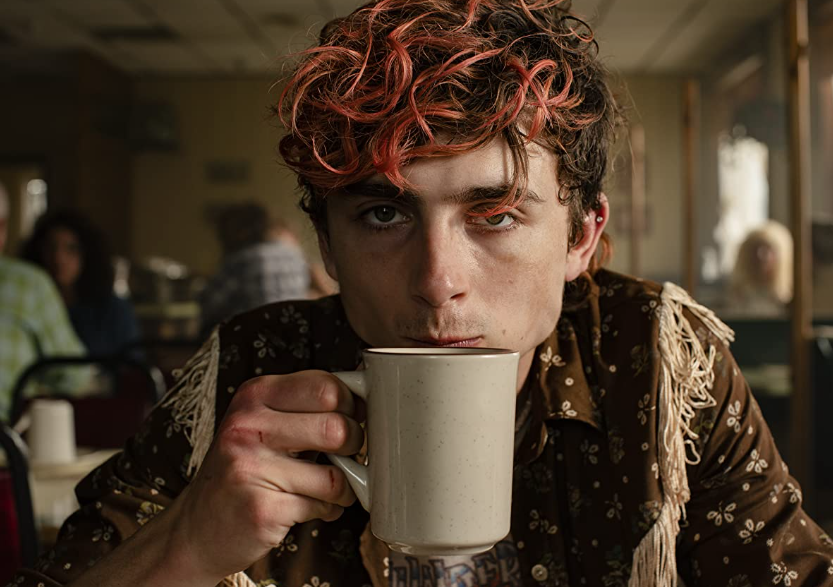
Timothee Chalamet as Lee in Bones and All, image via IMDB
Conversely, Lee poses as a well-established antagonist. He looks and acts the part of a well-worn street rat who is used to scavenging for what he needs to survive. But, he shows a particular kind of gentleness that is usually only reserved for mothering characters—a protector, a giver, a good listener. And best of all, Lee is frequently seen wearing women’s clothing atop his baggy jeans and bloodstained tanks. A specific choice that works well by costume designer Giulia Piersanti (Suspiria [2018], Call Me By Your Name).
The pair’s romance is a Bonnie-and-Clyde whirlwind of emotion doused in blood. The two are on the run from themselves as much as they are from the authorities, or anyone else. Along the way, Maren and Lee meet others that are like them: each with their own eccentricities and backstories; each with blurry moralities, tangled internal reckonings, ostracization writ large. Like all marginalized communities, the members of this one are diverse. While other monster flicks might have us believe that the shadow in the dark is a monolith—easily defined and therefore avoided, Bones and All exposes the intricate details of each individual character; their differences appear to be much greater than their one common condition, complicating even the most straightforward scenes. In a confusing jumble of violence, they are all disturbing and disturbed—if not outright villainous.
A character named Sully is particularly grotesque. With a magnificent performance by Mark Rylance, Sully is the savior, the lover, the harbinger, and the fool. If there were to be a singular villain character (one could argue there are many) it would most certainly be him. But, Sully (and the choices he makes) are reminiscent of a Tarot deck—the fool’s journey weaving through his character’s arc that leaves many more questions unanswered than futures foretold, a theme that ripples through the story as Maren tries to figure out her way, any way, forward.
Sully's relationship to Maren is both recognizable and absurd. Although as viewers we are along the ride for the horror-romance of Maren and Lee, Sully persists as an omnipresent threat who looms over the entire plot driving a fear that cannot be explicitly defined, and a paranoia that can only communicate one thing: keep moving. Partially unaware, Maren keeps moving, only to reconnect with Sully again, and again—and again. With such complicated protagonists it is only fitting that an antagonist of equal measure partake in this vampiric love story, and it will leave you unsettled for weeks.
In a strange way, Bones and All is a comforting reminder that not one group of people are all the same. In another strange way, it reminds us that love can be found anywhere and everywhere. It is a grotesque, romantic, frightening film; one that pushes the boundaries of genre and monstrosity in a way that will leave you craving for more.
Article written by Theresa B
Theresa writes about the intersection of art & anthropology and gendered horror. She loves demonic possession, satan, and can be found on Letterboxd.
Other Articles You May Enjoy…
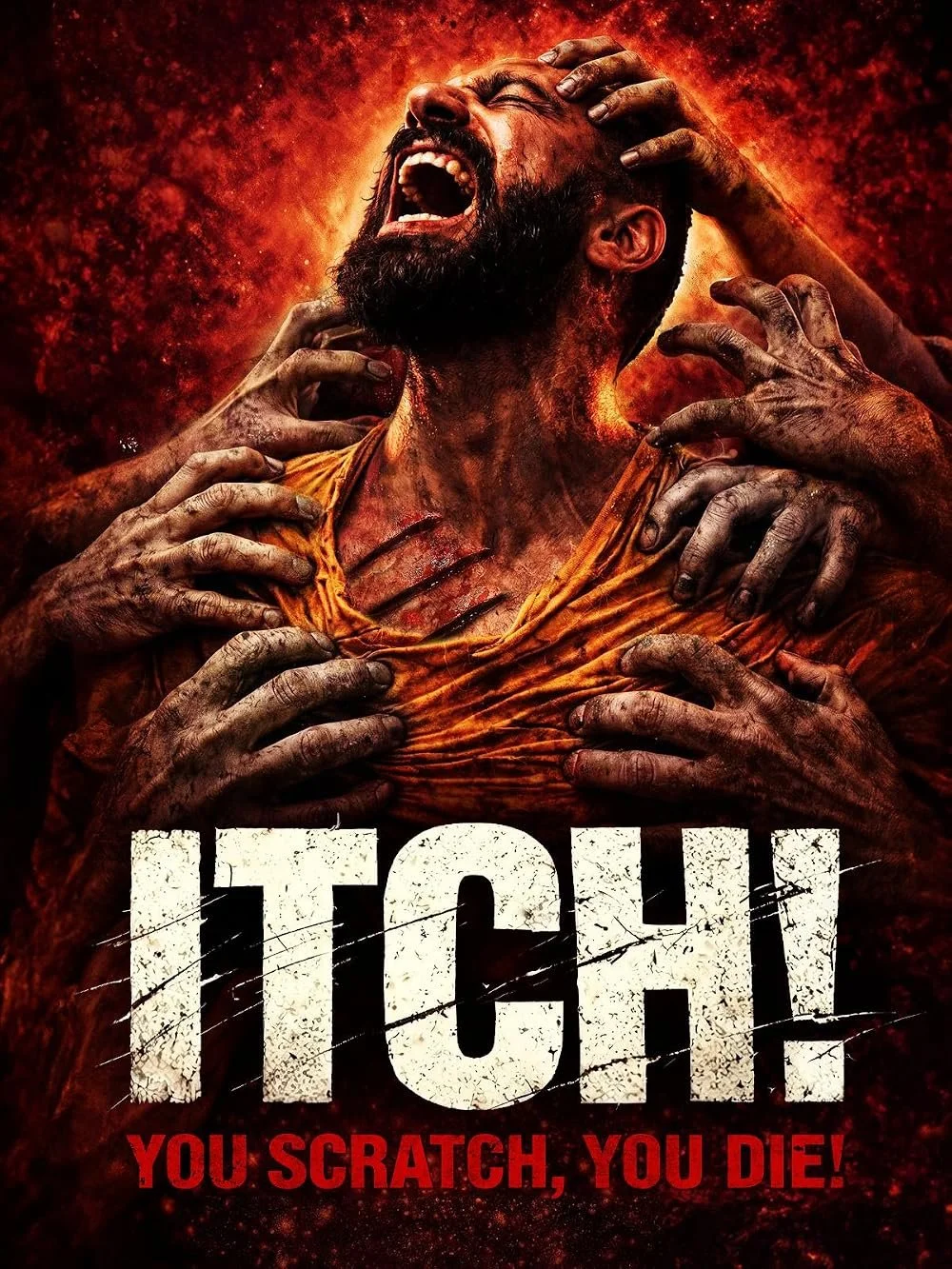
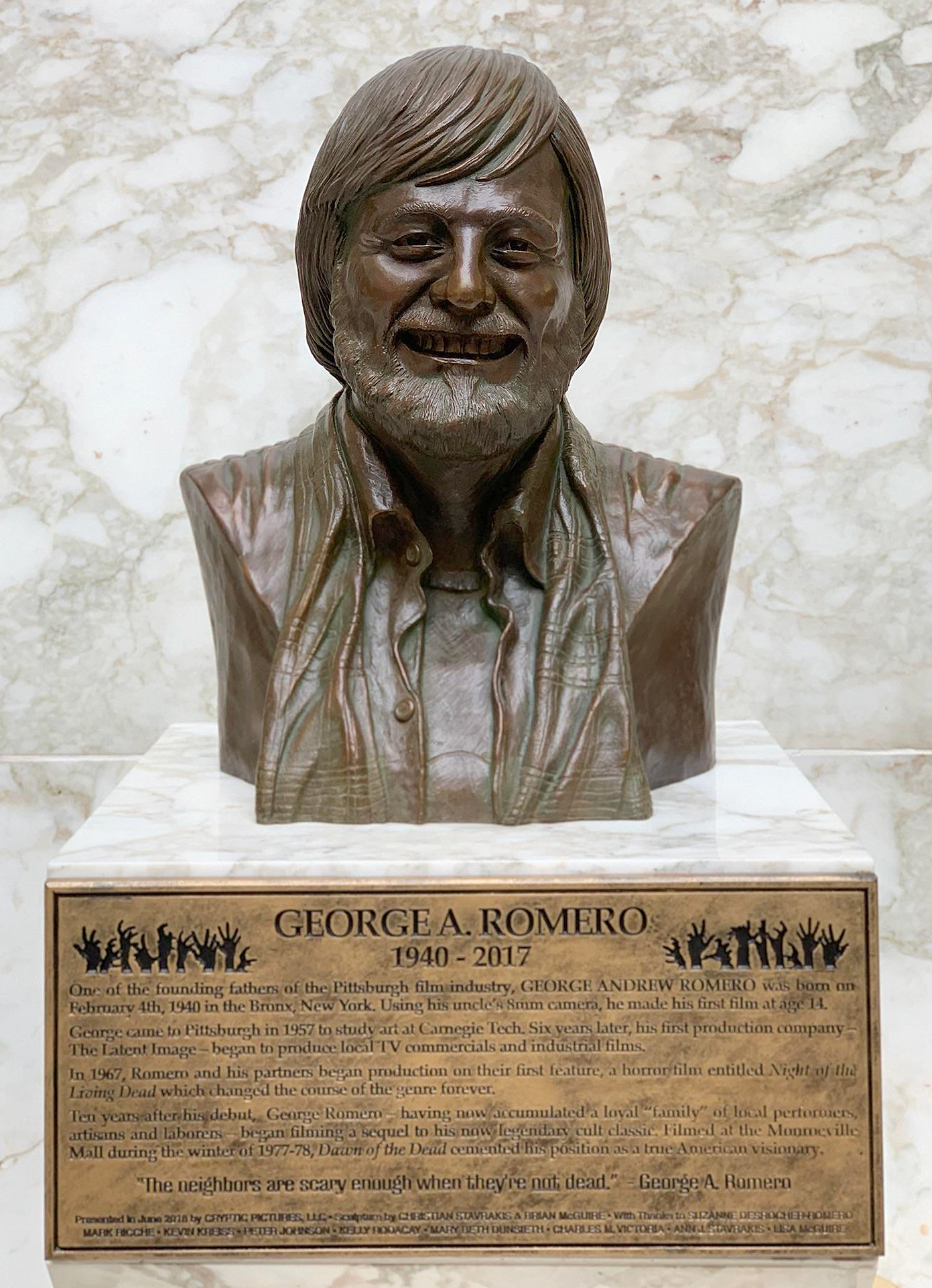
In The Buffalo Hunter Hunter, blood carries the violence of colonialism, while a settler’s journal controls whose story survives. This essay examines how Stephen Graham Jones uses vampirism and layered testimony to confront historical erasure.