
Portrayals of Disability in “Digging Up the Marrow” (2014)
Digging Up the Marrow (2014), a found-footage comedic metacommentary on the horror community, is a fun watch, while also raising some interesting points on the disregard of disability and scapegoating of difference. Digging was written and directed by Adam Green, highly regarded in the horror world for his film series Hatchet, among others.
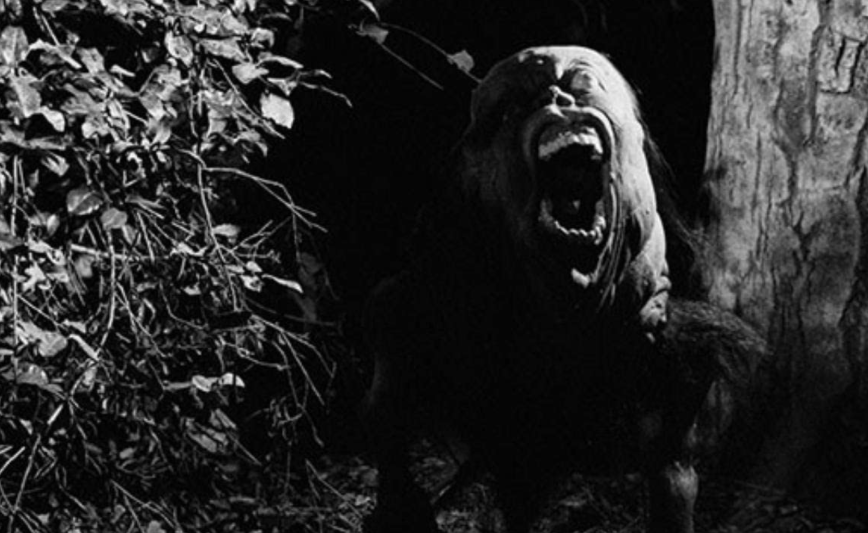
Image courtesy IMDB
A keen-eyed watcher would point out that this movie isn’t true “found footage,” as Green engages with the story entirely as himself, billing Digging as a documentary. The kickoff comes from a tip supplied by a purported ex-cop/detective, who claims that he knows of an entrance to a secret world full of monsters. Green, along with colleagues interviewed for the movie, voices healthy skepticism, but the story is enough of a draw that Green’s creative side wins out. Maybe the team can make something interesting out of this. The ex-cop William Dekker, played by Ray Wise, is paranoid at first, but gradually yields to telling extensive stories about these creatures, even supplying illustrations he’s had other people render. Though they fail to spot anything during their first foray out to this reported secret entrance to the city of monsters, Dekker, Green, and cinematographer William Barratt catch scarce seconds of a terrifying appearance in a later visit. Digging plays by the book with the ongoing themes of belief and doubt, and definitions of monstrosity, but creative design choices yields some discourse about the role of disability in how we think of monsters.
Earlier in the film, Dekker explains that throughout the course of humankind’s history, there have been infants born that look different—monstrous. Dekker wonders whatever became of these babies, and that lays the foundation for his idea of the Marrow—his name for the hidden city of monsters. The photos shown during the film, however, are sadly of babies with disorders that result in high infant mortality rates, such as harlequin ichthyosis, a rare skin disorder. Similar images have gone viral on the Internet since as long as I can remember, back to the ’90s. It’s unfortunate that this freakshow perspective on disability continues well into today, let alone with little consideration for the loss of a young life and those impacted by the loss. But as much as I despise this approach to depictions of disability, this early-film example of how we look at disabled bodies, how said bodies are commodified, and how there are continuous failures to accommodate these bodies in physical and cultural space, is an excellent one.

If we use Dekker’s example of these babies as a baseline for how we think of monstrosity and what makes a monster, we rapidly approach some very uncomfortable questions. In Digging Up the Marrow, the monsters are quite literally human—not some cliché about how “the real monster was humankind all along” due to heinous acts. Dekker’s protectiveness of these people—always specifying no lights, and that they need to be quiet when they’re observing the entrance—seems sweet at first, but when we learn that Dekker has shopped this idea around to other horror directors, our perception of his protectiveness sours into seeing his pursuit of profit and wanting to protect his access to the story. Upon skeptically agreeing to look into Dekker’s story, Green shows that he’s driven by a similar curiosity—to go, to see. But this act of perceiving, of trying to find out the truth, is not an act of wanting to better understand these people. This act of perceiving is a throwback to the freakshow. Look at the weird thing in the cage.
At one point, Dekker provides an example of one of these folks that shows they might be dangerous. This point almost made me laugh out loud: Dekker, Green, and Barratt are the ones going into someone else’s home, completely unasked for and unwanted. Further Othering and dehumanizing these “monsters” as dangerous, while so many able-bodied people carry guns and threaten others, was a contrast that I wasn’t expecting. But it’s a good point, at that: Who are we, the pot, to call the kettle black?
As so many found-footage films before it, Digging Up the Marrow centers around a search for truth. Are monsters real? What do they look like? So much of what we think of monstrosity is centered around commodified disabled bodies that we project our darkest impulses onto. As horror fans, we’re obsessed with monsters, but, like Digging so aptly shows, there is no interest in integration and accommodation. Digging closes out with a scene filmed at night, no words spoken, as an unseen figure, breathing heavily, enters into Green’s home and bedroom. He and his wife are asleep. The “monster”—in the most private, vulnerable place in Green’s home—arguably stands on the threshold of integration, or at least establishing meaningful contact. But, instead, their great voice booms, shocking Green and his wife awake. There can be no true integration when the desires of the majority scapegoat and oppress those who have been Othered. In Digging, the monster is the dominant culture’s need to ostracize, dehumanize, and commodify.
Article written by Laura Kemmerer
Laura tuned into horror with an interest in what these movies and books can tell us about ourselves and what societies fear. She is most interested in horror focused around the supernatural, folklore, the occult, Gothic themes, haunted media, landscape as a character, and hauntology (focusing on lost or broken futures).

Filmmaker Bari Kang discusses Itch!, from its practical gore and zombie influences to filming in his own NYC store and directing his daughter.