Horror as Cultural Mirror: What Our Monsters Say About Us
What Horror Films Reveal About Who We Are
Horror has a blunt kind of truth. In a dark theater, fear becomes a shared language: a gasp, a laugh after tension breaks, the urge to glance at the aisle. Yet great horror films do more than scare us. They show what a culture worries about when the lights go out. Horror as “a cultural mirror” is not just a clever phrase. It explains why certain creatures and villains surge at certain times, then fade when new fears replace them.
Even in a world where attention leaps from streaming platforms to social feeds and even to searches for new inclave casinos in the USA, horror keeps pulling audiences back to something more primal. It demands that we sit with discomfort instead of scrolling past it. Our monsters shift because society shifts. When people feel safe, horror can flirt with fun. When people feel exposed, horror turns sharper. That is why horror movies reflect society so well. Filmmakers take real pressure, then transform it into claws, masks, or infected teeth. The result is entertainment with a pulse. You can track the mood of an era by watching what it calls “evil,” and what it begs to survive.
Our Monsters Rise When Society Feels Unsafe
Horror waves often follow moments of public stress. The pattern is not accidental. Horror and social change move together because fear is creative fuel. When the world outside feels unstable, audiences lean toward stories that give shape to that unease. Horror turns wide, messy anxiety into a threat you can see and hear. It gives the fear a doorway to enter, then a way to leave.
This is why trends show up across decades. The details change, but the need stays. A monster is rarely just a monster. It usually stands for something that feels out of control: violence, disease, invasion, collapse. Social anxiety in horror films becomes visible through tight framing, empty streets, radio chatter, and characters who sense danger before they can name it.
War, Disease, and Panic on Screen
Major events leave fingerprints on horror cinema. Stories about infection, invasion, and sudden disaster tend to rise when people feel one step away from chaos. These films do not need to mention real headlines to echo them. They use familiar images: crowded hospitals, warnings on screens, silence after a broadcast cuts out.
Zombie films after global health scares
Alien invasion movies during Cold War fear
Found footage horror after terrorism anxiety
Zombie films often hit hardest because they turn ordinary life into a survival problem. A bite changes everything. A crowd becomes a weapon. A loved one can turn in minutes. Alien invasion stories tap paranoia and powerlessness, the fear that someone stronger watches from above. Found footage horror, with its raw sound and shaky camera, mirrors how crisis footage feels when the world looks unstable and truth arrives in fragments.
The Outsider as Villain in Horror Cinema
Horror has long used the outsider as a shortcut to tension: the stranger at the door, the wrong turn into the wrong town, the quiet group with rules you do not understand. In many films, the outsider becomes a threat because the main characters cannot read them. This is where monster as metaphor in horror movies becomes clear. The “monster” can be a person or community that the story frames as unfamiliar, suspect, or “not like us.”
Slashers often rely on the fear that danger can appear anywhere, even in normal neighborhoods. Folk horror flips the idea, making tight communities feel hostile, as if tradition itself can swallow you. Invasion stories push the fear of replacement and loss of home. The strongest versions of these films do not only point at the outsider. They also reveal the fear behind the fear: prejudice, panic, and the need to blame someone when the world feels hard to control.
Our Monsters Show What We Fear About Ourselves
Some horror aims outward, but the most unsettling films aim inward. They suggest the worst threat is not a creature in the dark. It is what people do when they feel cornered, hungry, jealous, or ashamed. This is why character-driven horror can stay with you for years. The scare is not only the moment itself. It is the realization that the monster might be human, or might be you.
The Human Villain
There is a special dread to horror where the villain is fully human. Slashers, serial killer films, and home invasion stories remove the comfort of fantasy. The violence feels possible, and that possibility sticks. A mask or a calm voice can feel more frightening than fangs because it hints at intent, not instinct.
This is also where psychological horror in film shines. The terror comes from tension, suspicion, and broken trust. A home no longer feels safe. A familiar face becomes a question mark. The best films in this space use pacing and detail rather than constant gore. They make you listen for footsteps, watch for small lies, and feel the slow collapse of normal rules.
Body Horror and Loss of Control
Body horror hits a different nerve. It scares the self. Transformation, infection, and possession all focus on the fear of losing control over your own body and identity. These stories often connect to aging, sickness, and the dread that something inside you can change without permission.
Physical mutation
Parasites or infection
Technology merging with flesh
Modern horror themes often push the last point further. Technology in body horror can feel intimate and invasive: screens that track you, devices that alter you, tools that “improve” you until you no longer recognize yourself. Great body horror is not only gross. It is sad, tense, and personal. It asks what remains of a person when the body becomes unfamiliar territory.
Our Monsters Change With Each Era of Horror Film
The evolution of horror films tells a story of shifting fears. In the 1930s, classic monsters rose alongside rapid science and modern city life. These films carried gothic style, but their panic was current: experiments that go too far, creators who lose control, progress that wakes up something ancient and hungry.
In the 1970s, horror turned grittier. Many films reflected distrust of institutions and the sense that “safe” spaces were no longer safe. The threat felt close, human, and unpredictable. In the 2000s, extreme survival and torture horror surged in a climate shaped by global tension and post-9/11 anxiety, with stories about captivity, helplessness, and unseen forces deciding your fate.
Current horror films keep shifting again. Tech fear shows up through surveillance, digital life, and loss of privacy. Climate dread appears as unstable nature, slow apocalypse mood, and worlds that feel slightly “off.” Across all eras, the core truth remains: horror reflects society, but it does so through cinema craft, not lectures. Lighting, sound, editing, and performance carry the message.
Final Thoughts
Horror movies are not random nightmares. They are cultural signals with sharp edges. Our Monsters rise when society feels unsafe, then change shape as new worries take over. Sometimes the threat is infection. Sometimes it is invasion. Sometimes it is a human face with no empathy, or a body that no longer obeys its owner. When you watch horror across decades, you can see fear evolving in real time, framed in shadows and scored with dread. That is why horror as cultural mirror endures, and why our monsters will keep returning as long as the world keeps giving us reasons to look away.
Other Articles You May Enjoy…
![Alice Maio Mackay's 'The Serpent's Skin' [Movie Review]](https://images.squarespace-cdn.com/content/v1/5d3e481bc5a6e40001b215a8/d1404765-1041-407a-9176-efba67b1fe5b/1000017763.jpg)
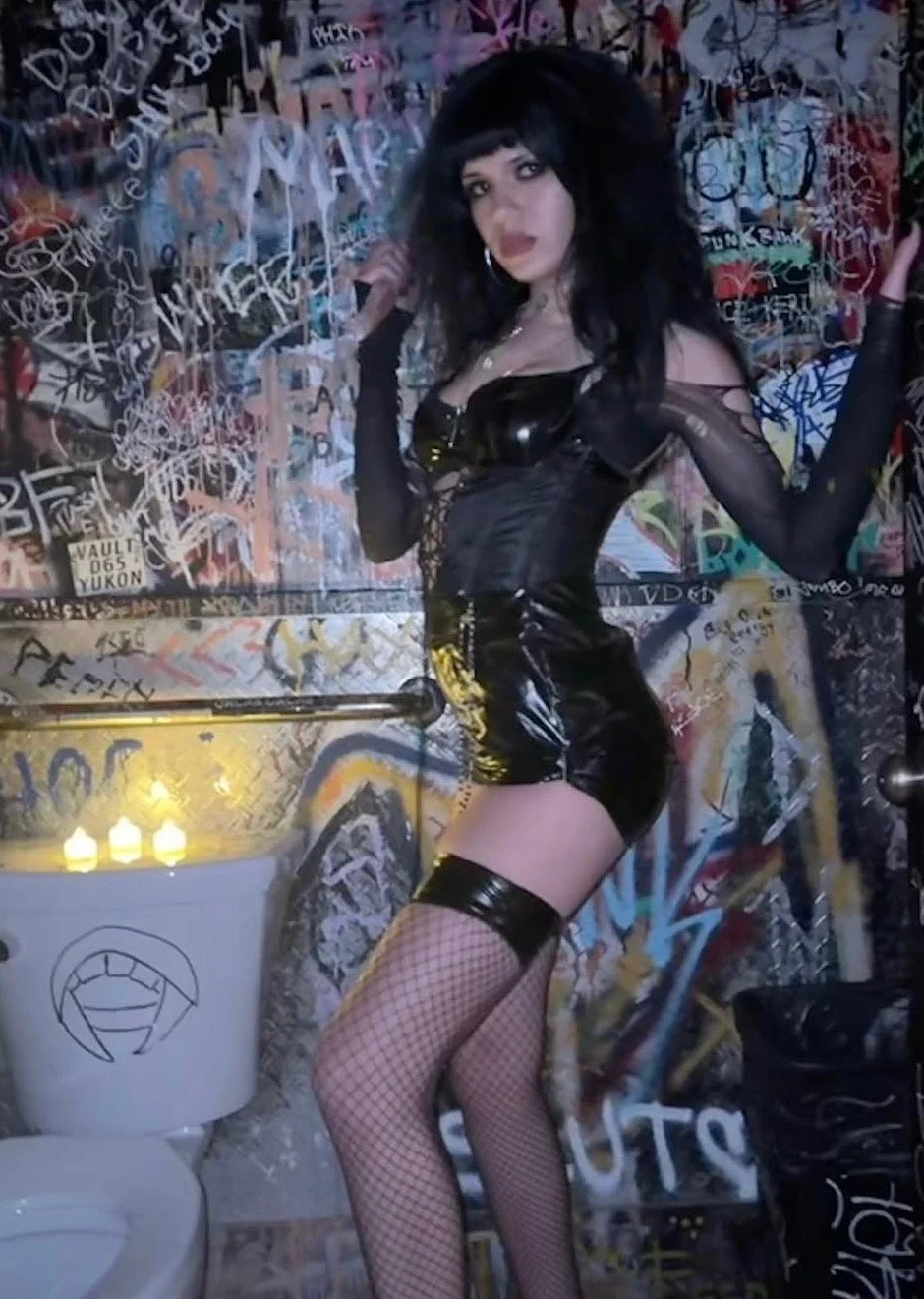
Filmmaker and artist rebecca shapass debuts her newest film tempus fugit at the Mattress Factory in Pittsburgh, PA. In tempus fugit, shapass combines shots of three primary locations—a cryogenics facility, a pile of writhing worms, and a house filled with items left behind by the previous owner—while incorporating elements of horror and experimental cinema.