How Horses Have Impacted the Horror Genre
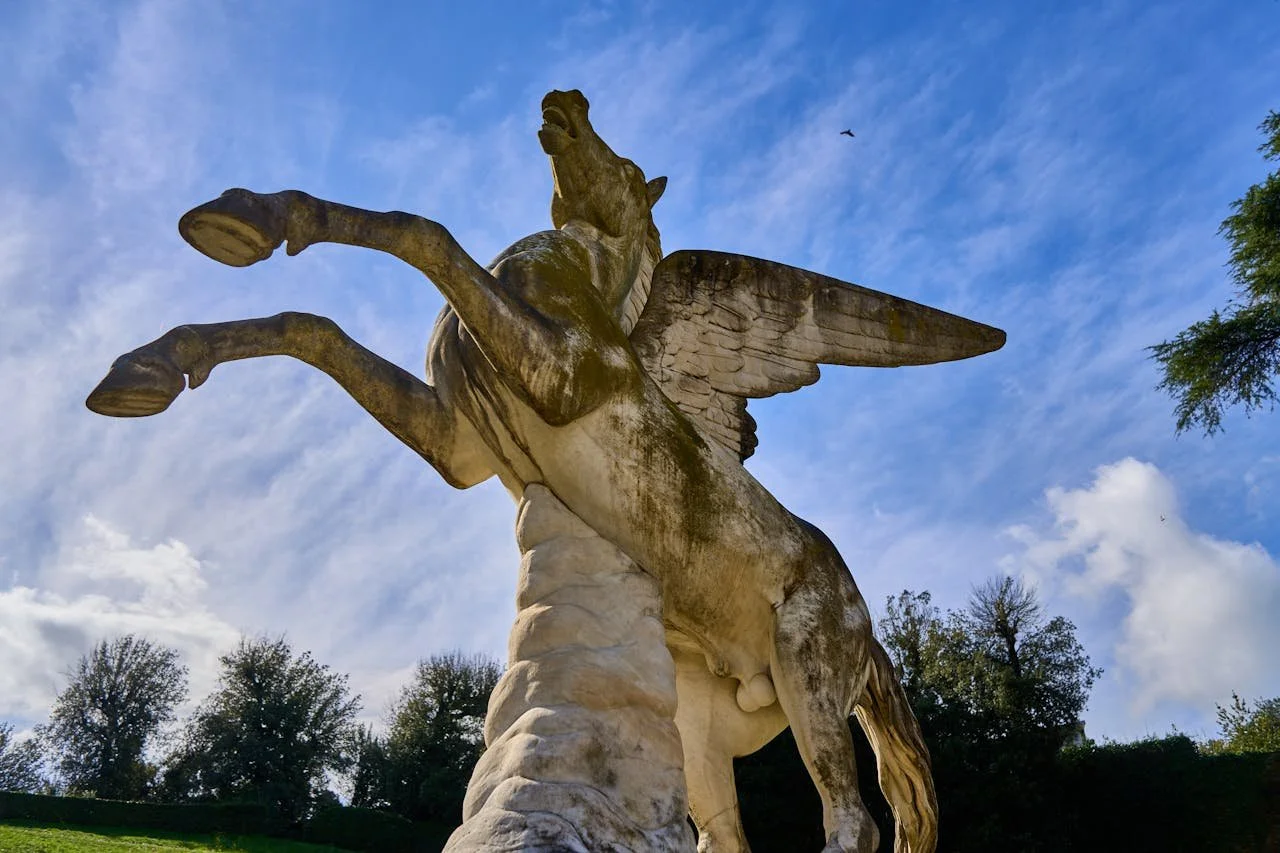
Horses might not be a regular appearance in horror movies or books, but they’ve certainly impacted the genre in many different ways. Over the years, we’ve seen plenty of directors and authors experimenting with horses, and there is something about these animals that can give you the creeps.
Horses somehow work in horror movies and books. Why? Well, maybe it is because of their physique. They are big, tall animals weighing up to 1,200 pounds, so they are quite scary to be around, especially when talking about untamed horses—or possessed ones.
Or maybe the reason that they’ve made it into the horror genre is because they carry a lot of symbolism. Horses have been around us for thousands of years, and over that time they’ve often been associated with power, grace, freedom, speed, and wild spirits.
That’s why we see horses in everything from gothic tales to modern scream-fests. Nowadays, the horror industry is pretty huge, raking in billions of dollars per year, and since authors and directors are always looking for a way to make an impact, horses might offer a way to stand out from the crowd.
But let’s look at the impact that horses had on the horror genre, and highlight some movies and books that feature these beasts.
Let’s Face It—They Are Spooky
Horses have always been spooky and mysterious, which is why they are used in horror movies in the first place. They don’t say much, they just look at you in a spooky way. On top of that, if you pair horses with evil or spooky villains, you are sure to have a winning combo.
Let’s take Washington Irving’s example with the Legend of Sleepy Hollow, which was published in 1820. He gave us the Hessian soldier on his black steed, chasing Ichabod Crane through the woods.
The horse isn’t just a means of convenient transport. It amplifies the supernatural and the spookiness to a whole other level. This tale was also adapted into movies multiple times, so, if you want to see a headless horseman with a spooky black horse that everyone sees in a small town, you can’t go wrong with this classic.
Horses and Gothic Culture
Horses have always worked well with gothic scenes, whether we talk about books or movies. Think of Dracula-type movies, where the horses set the tone of doom early on.
To be honest, it is quite easy to see why horses and gothic scenes work well together. After all, horses used in such scenes are usually black, spooky, and can remind you of dark things.
Just imagine a dark night in the forest with fog coming down, and you see a dark horse with a hooded rider, and the horse’s eyes are glowing dark red, steam billowing from its flared nostrils. Seeing a person in the woods is one thing, but seeing him on a huge, dark horse is a totally different story. It means that running is out of the question now. Why? Well, horses are fast, and there is a reason why horse-racing has always been so popular.
Horses can run at speeds up to 40 mph, as we can see in the Road to Kentucky Derby races, so running away from a villain on a horse isn’t going to be likely—that is, unless you have a car.
If you want to learn more about the Road to Kentucky Derby races, click the link below: https://www.twinspires.com/kentuckyderby/road-to-the-derby/
Symbols of Doom
In horror, horses don’t just run—they warn. They are death’s messengers, rooted in folklore like the Celtic púca—a shape-shifting horse that lures riders to their end—or the biblical Four Horsemen, heralding the arrival of the apocalypse since the 1st Century A.D.
That symbolism stuck; gothic literature continued to use horses as omens, their 1,200-pound frames crashing through narratives as if Fate itself rode in.
Today, many horror scripts in development feature animals as portents, and horses lead—black steeds signal slaughter, pale ones whisper plague. Their size and silence amplify it; a horse’s stare in the dark feels like a judgment, a weight horror exploits to twist our gut before the blade falls.
The Soundtrack
Ever hear hooves on gravel in a quiet scene? It’s a jolt—horror knows this sound cuts deeper than a scream. A horse’s trot clocks 4 mph, but a gallop hits 38, and that shift from slow clop to frantic pound builds tension like nothing else.
Since the 19th century, writers have used it to their advantage—hoofbeats nearing a doomed estate signaled the end was close. In 2025, sound design leans in; 40% of horror directors tweak equine audio for max dread, layering it with wind or distant cries. It’s not random noise—it’s a heartbeat racing toward you, a rhythm that’s haunted us since we first feared what rode out of the night.
Culture Around Horses
Horses carry horror’s past—war mounts, plague carts, lynch mobs—all real fears that they’ve hauled since antiquity. In Europe, 14th-century Black Death riders spread panic on horseback (History Today, 2023); in America, frontier tales of ghostly riders lingered post-Civil War (American Folklore Society, 2024).
Horror mines this—by 2025, 20% of gothic reboots feature equine callbacks, tying modern scares to old wounds. They’re not just animals; they’re history’s baggage, a 1-ton reminder of chaos we’ve survived. That weight lands heavy; a horse in horror isn’t random—it’s our own ghosts galloping back.
So, what do you think of horses in horror movies? Is it a perfect match?
Other Articles You May Enjoy…