The Art of Suspense and Shock in the Horror Genre

Photo by Daniel Jensen on Unsplash.
When you take horror at face value, you might initially only take note of the scarier aspects, such as the terrifying characters or violent scenes. However, there’s much more to horror than just blood and gore; it’s a complex genre that dives deep into our fears, with two specific aspects that can differentiate between a flop and a masterpiece—the ability to build suspense and cause shock, which we’ll be taking a look at below.
The Role of Suspense
Suspense can be defined as a feeling of excitement or anxiety based on the uncertainty of what may happen. Alfred Hitchcock considered it one of the pillars of the horror genre, saying, “there is no terror in the bang, only in the anticipation of it.” After all, it creates a sort of tension as viewers or readers don’t know what terrors will unfold before their eyes—and it is that tension that can be quite titillating.
We can also see the successful use of suspense in other media, beyond being a simple scare tactic, such as in slot games like Action Bank. The feeling of suspense when players play slots stems from the fact that the player is not aware of what will happen after they spin the reels. This adds a layer of anticipation, making the overall experience more interesting to users as they're left metaphorically on the edge.
However, suspense can only be achieved through proper pacing, with slower reveals amplifying any anxiety felt. Another great addition to suspense can come from small background details, such as subtle creaks or a creepy score in movies, heightening the moment before anything happens. Ultimately, this balance between fear and anticipation can craft an incredible experience that will cause people to continuously talk about it long after the credits roll.
The Power of Shock in Horror
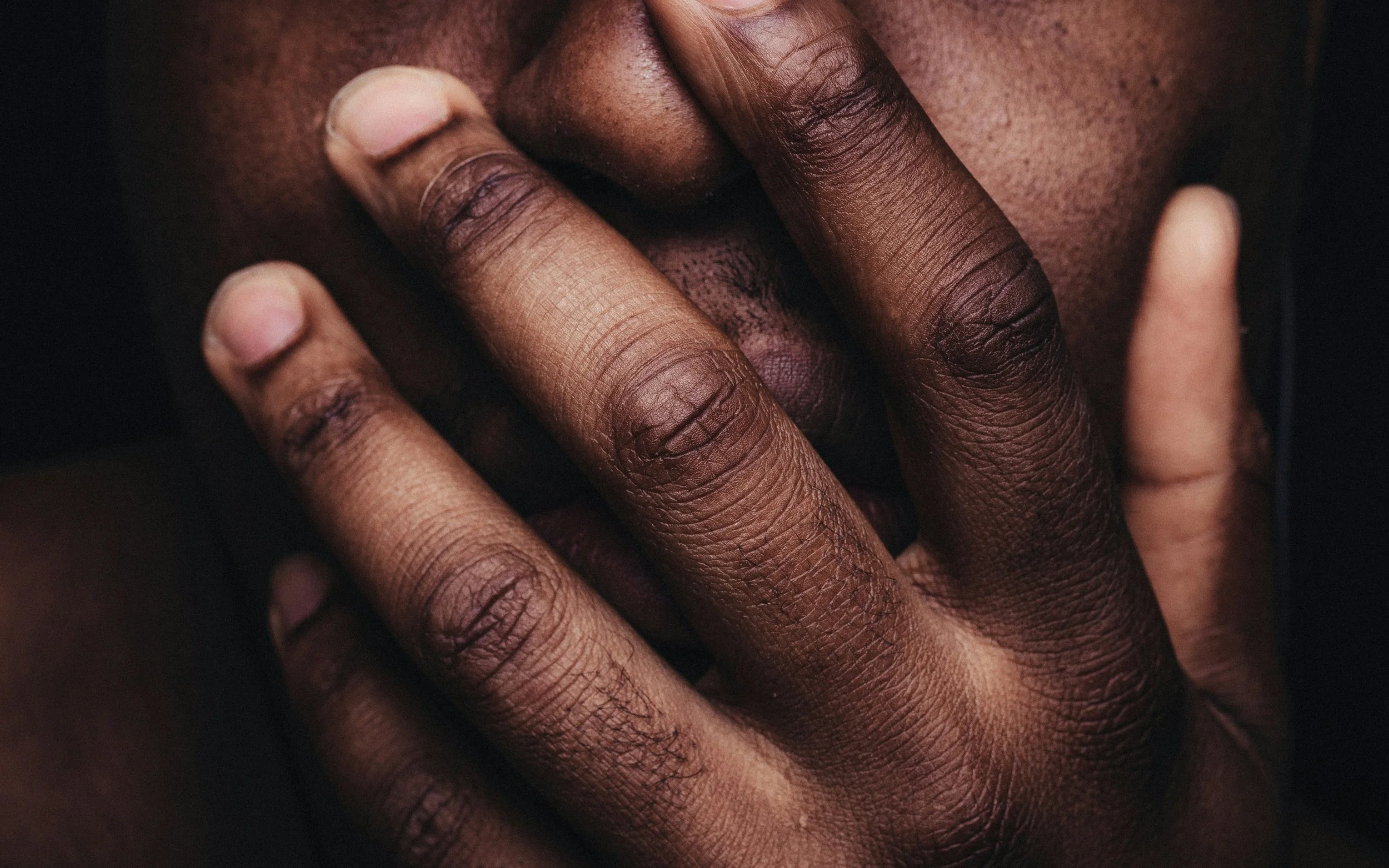
Photo by Nsey Benajah on Unsplash.
Like suspense, shock is another cornerstone of horror. Just like with suspense, shock is used in other mediums and genres—such as plot twists in mystery novels. Shock is typically used to jolt the viewer/reader, grab their attention, and make sure that their experience is truly unforgettable. Shock allows people to face fear in a safe environment, which is one of the ultimate purposes of horror overall.
In fact, when done right, it can force viewers to confront some incredibly strong and raw emotions. However, when overused, it can end up being tacky and add no real value. After all, shock is often done best when it defies your expectations, showcasing something truly unpredictable, but this doesn’t just include jumpscare.
In one form, when you're just about to figure out what's coming next in a scene, there's a fun twist (or a scary one in the case of horror) that makes your heart race and perhaps even leave you horrified. It can turn a basic scene into a hauntingly memorable one.
Suspense and shock, when done right, can exponentially improve upon horror of any kind, be it a movie, game, or other medium. And while it may be hard to achieve the right pacing and timing, it’s a truly worthy endeavor to ensure the right impact is made.
Other Articles You May Enjoy…
![The Critics are Wrong: Long Live ‘The Bride!’ [Movie Review]](https://images.squarespace-cdn.com/content/v1/5d3e481bc5a6e40001b215a8/1773068326629-0WHV3NUESLFG23YV4800/Screenshot+2026-03-09+at+10.57.10%E2%80%AFAM.png)
As part of Women in Horror month, What Sleeps Beneath is celebrating women in Pittsburgh who are keeping the spirit of the horror community alive. In a city where the genre is deeply rooted, from serving as the location for classic horror movies to being home to the University of Pittsburgh’s Horror Studies program and archive, locals know that horror has always been more than just a story in a book or on a screen.