
The Scariest Part of ‘Get Out’ (2017) Isn't What You Think
Racism is not always loud or violent—it can be quiet and even polite, and in those cases, hidden behind a fake smile. The horror movie Get Out perfectly shows these kinds of racism, and I actually didn’t expect this movie to turn out the way it did.
I was able to watch it one night while TV streaming, and I easily picked up what it was all about. The sad part about this movie is that the point of the entire film is the reality of what people of color experience every day. Let’s talk more about it below.
Polite Racism at Its Peak
The Armitage family and their friends are the best example of how racism can wear a mask. On the surface, they are polite. They’re all smiling, welcoming, and even trying to show they are “open-minded.” You won’t even think that they have that racism in them. Until their true intentions come out.
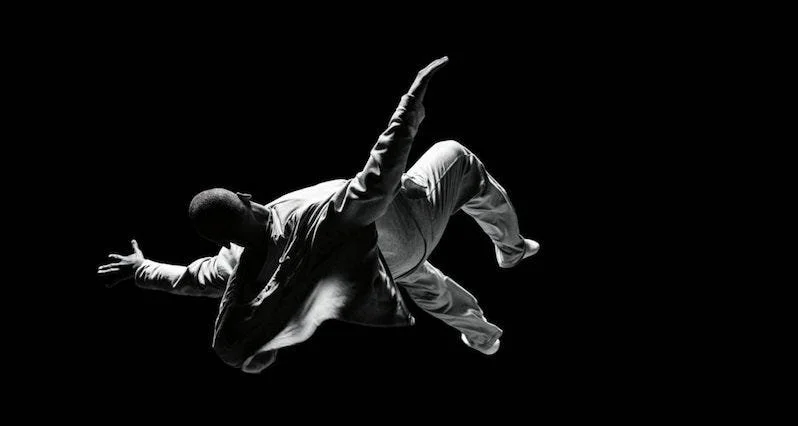
The Sunken Place in Get Out (2017)
The “compliments” about Chris’s looks, his build, or how strong Black people are aren’t compliments at all. They dehumanize him while pretending to be friendly. It’s that kind of fake politeness that makes you feel like something is off even if no one is saying anything directly hateful.
This is literally the scary part of polite racism. Even though it doesn't come in the form of slurs or violence, it can be seen through the "good" deeds people do. Sometimes it shows up in the way people speak to you, the way they make assumptions, or even the way they “praise” you for things that are rooted in stereotypes.
Unfortunately, many people experience this in real life. And while it may seem harmless compared to open hatred, it’s just as damaging because it chips away at dignity while pretending to be accepting.
I loved how this movie tackles racism from this angle because it’s often unrecognized. So if you’re planning to watch this movie, or re-watch it, I think it’s still available on most streaming services.
The Sunken Place
When Chris gets hypnotized and falls into “the Sunken Place,” he’s completely aware of what’s happening around him. But he is literally unable to move or speak. He’s trapped as he watches his life from a distance while someone else takes control.
In this part of the movie, we can actually see that the Sunken Place is a symbol of what it feels like to lose your voice and power in society. For many marginalized groups, especially people of color, it mirrors the way they’re often silenced. They see the injustice, they feel the pain, and yet their voices are ignored or pushed aside. They’re present, but they’re not given control.
Racism wants us to believe that people of color are subordinate to other races. The Sunken Place can look like being talked over in conversations, being judged for speaking up, being treated as if your experiences don’t matter, or even being disregarded entirely. It’s that suffocating space where you know what’s wrong but you’re made to feel powerless to change it.
This movie is so powerful. So if you’re planning to watch this movie, make sure your internet connection and your internet provider are actually up to the task.
The Fear of Losing Oneself
The Armitage family’s plan is about stealing Chris’s body, his life, and everything that makes him who he is. The identities of the victims were erased so someone else could benefit from them. This connects to something deeper: the fear of losing autonomy and control.
Marginalized people often feel like society doesn’t value them as individuals, but instead sees them as tools, tokens, or resources. Their culture, talents, or bodies can be exploited while their true voices and identities are pushed aside.
So, what does it mean if someone else decides who you are, or uses you only for their gain? You have to think about how power and privilege work in the real world, and how they affect people of color all around the world.
There’s Always Hope in Awareness
The movie teaches us how racism works. It can hide and disguise itself to be harmless. But once you see it for what it really is, you can't unsee it. The most important thing is to learn how to call things out even when they're subtle. It might not be easy to spot at first. Let me tell you, it will be uncomfortable as heck. But it matters. Racism, no matter its form, can be damaging, and silence only helps keep it alive.
The hope is that, by talking about it, by naming it, and by standing up when we see it, we slowly chip away at it. Awareness doesn’t solve everything, but it keeps us from being trapped in our own sunken place.
Other Articles You May Enjoy…


Within Filipino folklore, no creature captivates and horrifies like the viscera-sucker, or manananggal. In Ramos’s taxonomy of aswangs, they are typically portrayed as beautiful women with long hair who, by night, split at the waist and detach from their lower body, hiding it in a safe place, such as under a banana tree. The top half sprouts wings and takes to the night to hunt for prey, intestines flying behind her.