Top Ten British Horror Films of All Time
In case you missed it, Horrified Magazine recently published its Top 50 British Horror Films, as voted on by members of the community. The result is a fantastic starting point for anyone looking to learn more about the history of British horror as well as to round out any blind spots they may have. In response, I wanted to share my own ballot to Horrified’s list, even if it does reveal some shameful omissions on my part…
“ It’s a film that sucks the hope out of you. Anthony may get moments of relief, but the viewer does not.”
10. Saint Maud (2019), dir. Rose Glass
I wanted to make sure I highlighted a newer, smaller profile film in this list and between Saint Maud and A Dark Song, Maud won out. Morfydd Clark is incredible here. Simultaneously evoking the quiet, optimistic naivety of the novice and the cold intensity of the zealot, Maud is the kind of character that terrifies because, one, you don't quite know what she's capable of, and two, she has the support of whatever cobbled together belief system she’s identified with. The film may take a leisurely route toward its conclusion, but it’s a path that really works for me as it builds up Maud’s rise and fall, until it explodes, giving new meaning to being filled with the Holy Spirit. Saint Maud is an impressive debut that stands tall as a testament to the future of British horror cinema.

9. Don't Look Now (1973), dir. Nicolas Roeg
Another gorgeous film with deep emotional underpinnings, but more importantly, Don’t Look Now is just plain scary. It doesn’t draw any sharp jump scares or shocking imagery, but it’s hard to explain the deeply unsettling feeling this film is able to instill. Absolute top-notch performances by all involved, Don’t Look Now plays its hand coolly, never giving up much until absolutely necessary and then hammering us with an unforgettable left hook that may be one of the greatest conclusions in the history of horror.
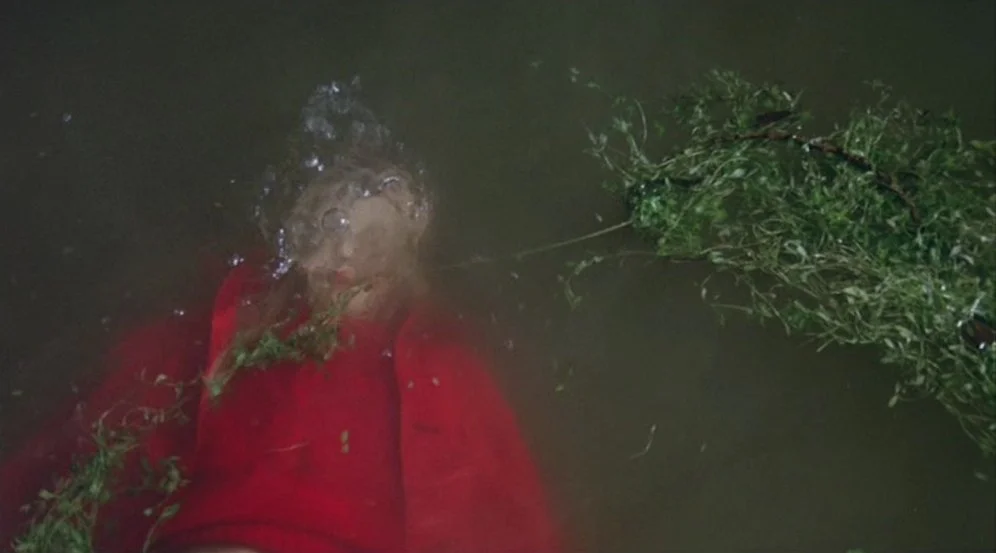
The loss of a child in Don’t Look Now. Image courtesy of film-grab.com
8. The Wicker Man (1973), dir. Robin Hardy
It may only be one-third of “The Unholy Trinity” of folk horror, but The Wicker Man is miles ahead of the others in terms of staying power. It is the only one of the three set in contemporary times, allowing the shocking beliefs of the people of Summerisle to survive a time in which audiences would assume them to have been stamped out centuries earlier. It’s a revelation that would be mimicked in countless films since, pitting pernicious ancient traditions against a modern, civilized world.
7. Kill List (2011), dir. Ben Wheatley
As a general rule, I’m a big Ben Wheatley fan, but Kill List is certainly his best. Drawing on the best folk horror traditions Britain has to offer, Wheatley crafts a mystery that feels like a procedural, uncovering little but minor disturbances or a sense of wrongness, until the curtain is yanked back for the climax, letting all that came before it to click into place. It stuns on the first viewing and titillates from the second viewing on, begging to be shown one by one to all of your friends, just to prolong the feeling of discovery you had watching it the first time around.
6. The Shout (1978), dir. Jerzy Skolimowski
This wild ride of suffocating unease doesn’t get nearly enough attention. Alan Bates is excellent as the towering, dark figure, Crossley. As soon as Crossley sinks his claws into Anthony and Rachel, there is no redemption. It’s a film that sucks the hope out of you. Anthony may get moments of relief, but the viewer does not. There have been plenty of “mysterious stranger” plots since this film’s release, but this, for my money, is still the best.
5. Hellraiser (1987), dir. Clive Barker
Hellraiser was a turning point in my fledgling horror education. It was the first time I remember being in awe, not just at what an imaginative enough film team could do, but what they were willing to do to bring their visions to the screen. The first time I saw the film, it was on a crackly VHS tape with fuzzy interference and tracking lines and I can’t help but think it made the experience that much more visceral. Clive Barker’s work is brutal, it’s vicious, and it shows an originality that few have even come close to achieving.
Susannah York as Cathryn in Images. Image courtesy of film-grab.com
4. Images (1972), dir. Robert Altman
Images is a strikingly beautiful film. From its lavish sets to the breathtaking vistas, and from the jarring score from John Williams and Stomu Yamashta to Susannah York’s performance, this film succeeds, if for no other reason than its ability to leave one speechless. It is a film that I could pore over for hours just picking out new details to admire. In so many ways, the viewer’s expectations are thrown, and while it can be difficult to follow, the clues are there to be had. The result is a powerful vision of the terror of going stark-raving mad to tragic ends.
3. The Haunting (1963), dir. Robert Wise
Adapted from one of my favorite stories of all time, The Haunting’s greatest achievement is the way it captures the maddening architecture of Hill House. As a growing acolyte to the appreciation of spaces in horror films, The Haunting has been a bedrock of my understanding of how to effectively use sets and production to generate atmosphere.
2. The Innocents (1961), dir. Jack Clayton
The Innocents is one of the greatest literary adaptations in film, full stop. Every shot is full of such depth and gothic unease. The way Jack Clayton and Freddie Francis use light and sound to create the haunting atmosphere at Bly Manor is one of the greatest achievements ever in cinematography, generating effects that have yet to be replicated. As poetic as Henry James’s words already are, Truman Capote molds them into a screenplay that sings.
1. Peeping Tom (1960), dir. Michael Powell
The proto-slasher that ended Michael Powell’s career deserves every ounce of the reappraisal it’s earned since its release. Not only is Mark Lewis a terrifying villain, but he prowls within a masterpiece of filmmaking. You would be hard pressed to find a more fitting and well-executed combination of story and meaning in all of cinema, before or since.
Article written by Ande Thomas
Ande loves the intersection of sci-fi and horror, where our understanding of the natural world clashes with our fear of the new and unknown. He writes about monsters and foreign horror and can also be found over on Letterboxd.

Other articles you may enjoy...
Are you tired of searching for works that describe transgender experiences accurately, let alone with complexity or compelling messiness? Want to read some horror stories that were written by and/or for trans people? Curious about this newfangled term “trans horror” and wondering where to start? Hopefully, this brief primer will be useful to you.