
[Movie Review] Travis Stevens's ‘Jakob's Wife’ (2021)
Jakob’s Wife, directed by Travis Stevens and starring the highly acclaimed Barbara Crampton and Larry Fessenden, plays well with a vampire and man-of-the-cloth dynamic, while also reinforcing the growing trend in horror of pushing subgenres in new, much-needed directions. Jakob’s Wife fully embraces the fun, gore, and other elements that truly make the heart of the genre tick.
Socially and sexually repressed Anne Fedder (Barbara Crampton) has been married to the town minister, Jakob (Larry Fessenden), for over 30 years. Spoken over, dismissed, and similarly muted in her neutral-color wardrobe, Anne becomes deeply repulsed by her husband. But when her old flame comes into town, and a young congregation member goes missing, her life is changed forever. Rather than continuing to hide herself under the title of minister’s wife, Anne becomes a vampire, something often seen as monstrous, and just as frightening for oppressive systems, her full, completely uninhibited self, as a woman.

Opening with a sermon from Jakob about how a man should love his wife as his own body, Jakob’s Wife also serves as a wonderful entrypoint for fans to encounter the monstrous-feminine in a non-toxic, thoughtful, and genuinely amusing way. Beyond this, too, there are moments that touch on the vampirism of life itself: how, even with the best of intentions and plans, we are limited by the circumstances and systems we find ourselves trapped in. When Anne’s mother died, both Jakob and the church provided support, and that was the first step in Anne losing her sense of adventure. But the very bedrock of her life changes, and as she becomes monstrous and learns to spread her wings, she takes on the visual coding of the “scarlet woman” (notice the absence of the usually preceding “fallen”), embraces it, and in so doing, regains her lust for life (with blood as icing on the cake).
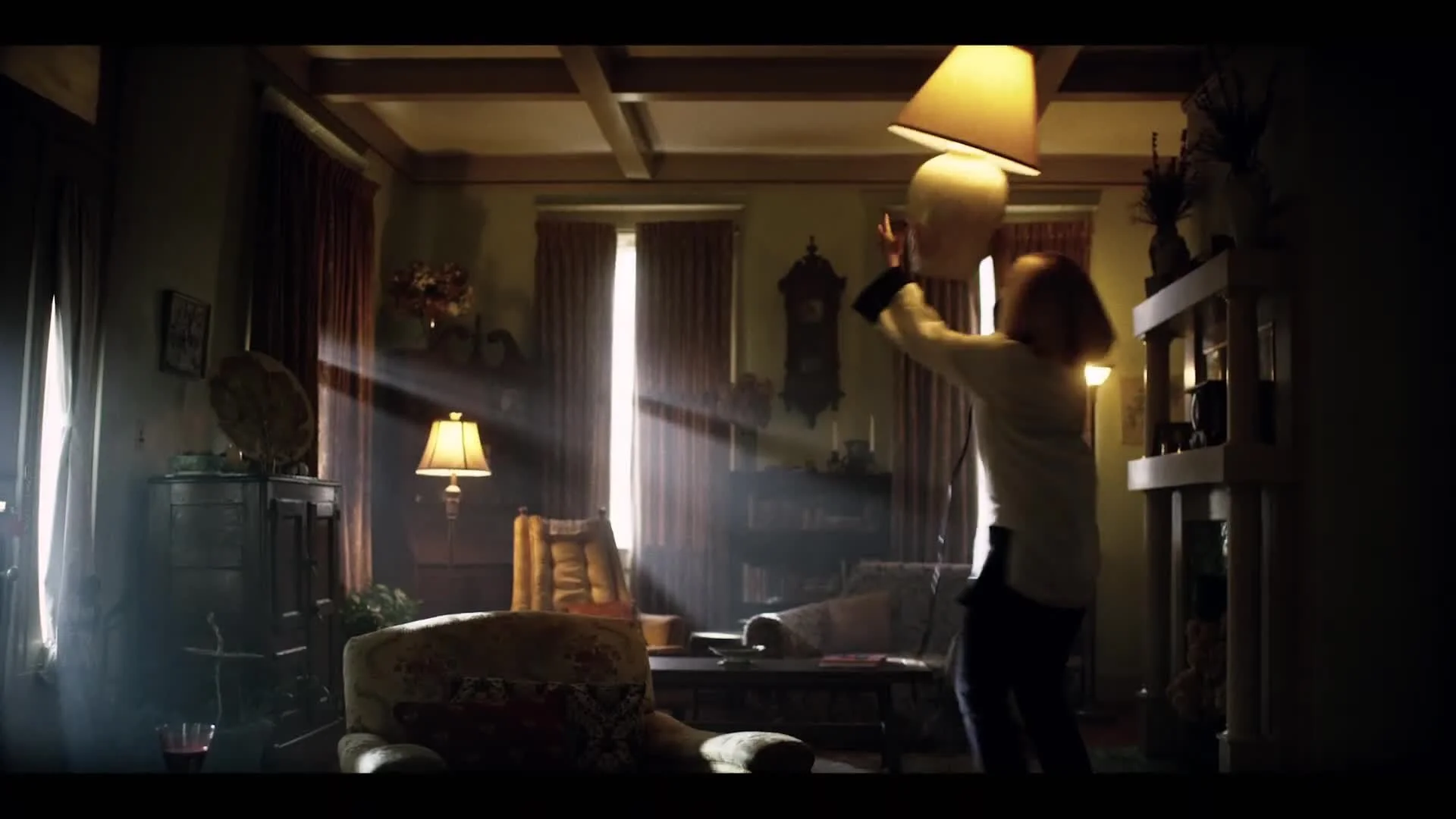
With Crampton’s and Fessenden’s fantastic on-screen chemistry, Jakob’s Wife, which has a solid script to begin with, features several moments that are endearing, authentic, and hilarious. On her own, Anne has moments like going to the dentist after she’s turned into a vampire, and a teeth-whitening light burns her mouth to ash. Another seemingly feminine moment in the garden, where she’s dressed in a gorgeous print, results in Anne eating a worm from the soil. Together, Anne and Jakob exchange sharp words about the inherent evil in what she’s doing. Jakob admonishes his wife that if she’d come to him sooner, he could have helped her, and Anne retorts that the change has its own blessings—that she feels more alive than she’s had in years. Without missing a beat, Jakob quips, “Yeah, well, don’t get used to it. Drinking blood is not exactly a sustainable lifestyle.” There is something endearingly domestic about this pair that horror has generally treated as completely at odds with one another.
At their heart, Jakob’s Wife and films like The Witch leave me with one question: If a woman turns to the dark side, embracing what may be seen as personal liberation but still under the thrall of a dark patriarchal figure, is she truly free? Where The Witch accepts thralldom since the main character quite literally has nothing left, Jakob’s Wife takes this conversation a few steps further, flipping the script on gender and “The Master,” and a rather sweet dynamic between Anne and Jakob that proposes a way out of these oppressive systems through mutual support. (Though some might get eaten along the way.)
Other film details, including the idea that vampires hide out in abandoned mills and dying towns, along with a rather toothy film score, contribute to how enjoyable of a viewing experience this film turned out to be. Gore was also incredibly fun to see, with several scenes leaving it fairly obvious as to where the blood pump was situated on a neck or a shoulder, and excessive amounts of fake human meat blowing all over a room made me laugh out loud more than once. Collectively, Jakob’s Wife made for the kind of movie-watching experience I didn’t know I needed, with tension and laughs that were a great stress-relief valve. My primary criticism only has to do with the pacing of the film’s ending, how one encounter with the lead vampire possibly should have been bundled in with another encounter later on.
Jakob’s Wife enthusiastically and meaningfully explores themes of identity, choice, and relationships, and highlights the resurging popularity of the monstrous-feminine, introducing what feels like a fresh perspective that is accessible for both horror vets and new fans alike. Despite the difficulties of the pandemic, horror has continued to thrive.
Article written by Laura Kemmerer
Laura tuned into horror with an interest in what these movies and books can tell us about ourselves and what societies fear. She is most interested in horror focused around the supernatural, folklore, the occult, Gothic themes, haunted media, landscape as a character, and hauntology (focusing on lost or broken futures).

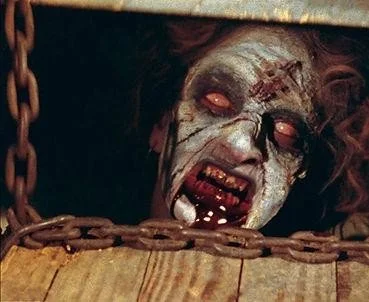
Filmmaker Bari Kang discusses Itch!, from its practical gore and zombie influences to filming in his own NYC store and directing his daughter.