
Looking Fear in the Eye: The Psychology and Symbolism of Eyes in Horror Films
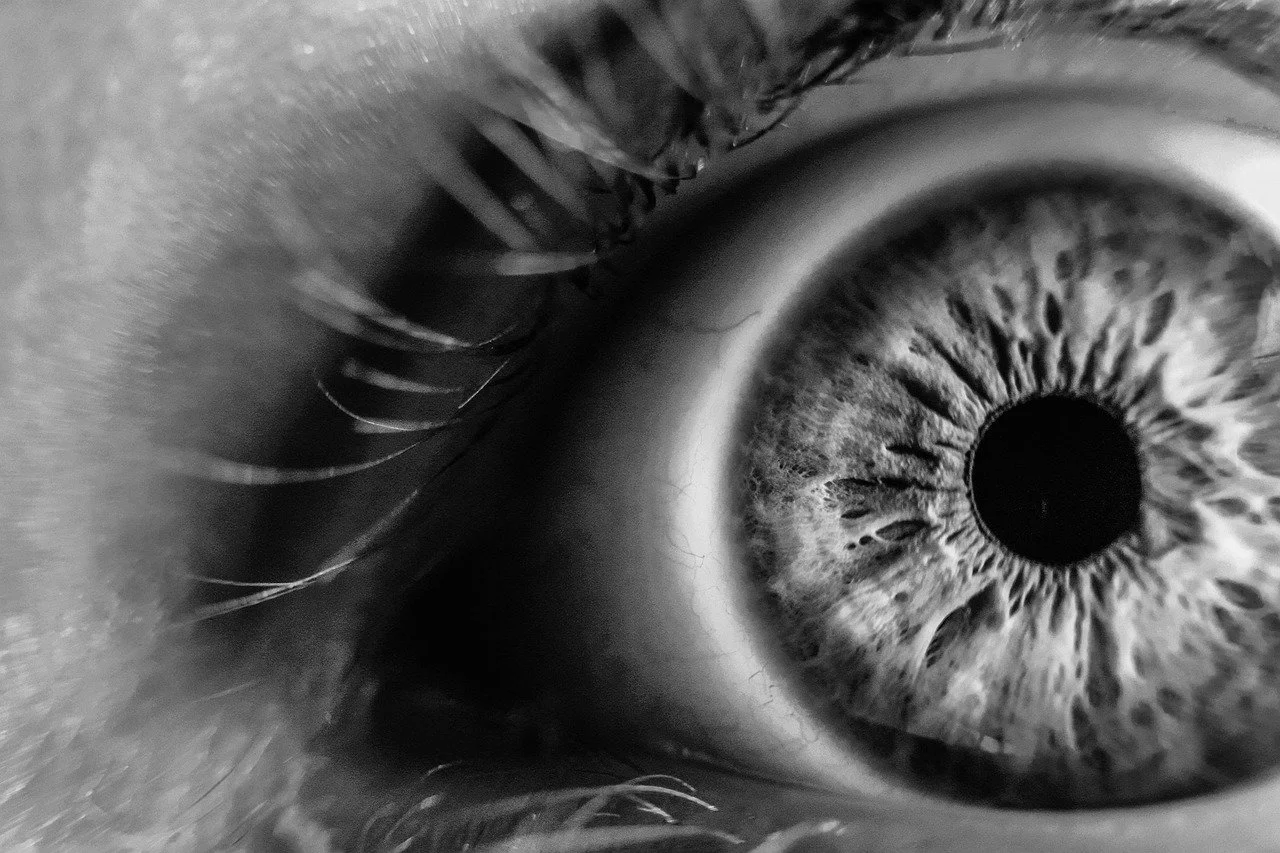
Beyond taking place in terrifying environments like ghost towns and haunted houses, horror films can strike fear and terror into audiences by featuring the human body, often in distorted or modified forms.
For example, our review of The Substance highlights the 2024 release as a feminist body horror film. The lead character, television show host Elisabeth Sparkle (played by Demi Moore), is made to confront the harsh realities of aging not only through her fading career but also through exaggerated depictions of her nude, wrinkled body. As Elisabeth grapples with the existence of her better, younger self embodied through Sue (Margaret Qualley), the film also frames self-mutilation and gore as a form of violence against oneself and the persistent manipulation of self-image.
This time, instead of analyzing the body as a whole, we zero in on a specific part—the eyes—and how they instill fear and symbolize common horror themes like aging, possession, and transformation. Considering the eyes are the so-called windows to one’s soul, we take a closer look at the effective use of eyes as a narrative device in horror cinema.
Depicting the horrors of aging through eye disorders
Among the common signs of aging is vision decline, typically caused by age-related eye conditions like presbyopia. In real life, these age-related conditions can be corrected through reader glasses with varying magnification levels to aid the wearer in activities requiring clear vision, such as reading. The eyewear industry has even developed stylish and contemporary frame styles for readers to help middle-aged and older adults look more youthful despite needing vision correction.
However because horror seeks to exaggerate society’s fears about aging, the vision disorders that older characters experience are not treated or hidden, instead depicted through deformed or misshapen eyes. Such is the case for Mrs. Sylvia Ganush, the secondary antagonist of the satirical horror Drag Me to Hell (2009). The old woman, who turns out to be tied to witchcraft and dark magic, is characterized not only by her graying hair, rotten teeth, and wrinkled skin but also by her bad eye, which is cloudy, gray, and can barely see.
Eye color changes to signify possession
Aside from aging, demonic possession is another form of transformation used by horror movies to portray common societal and spiritual fears. So, while changes in eye color indicate a medical condition or injury in real life, they signify a character’s dramatic transformation in the world of horror. Furthermore, unnatural eye colors—yellow or red specifically—indicate that a malevolent or demonic entity is possessing a character.
In the legendary horror film The Exorcist (1973), the young girl Regan’s demonic possession is marked by a change in her voice, along with her irises turning to a sickly yellow. This detail is maintained in other installments of The Exorcist franchise, such as The Exorcist: Believer (2023). While computer-generated imagery (CGI) can help transform a character’s eye color in this day and age, the film’s makeup designer, Chris Nelson, shared that the actors used colored contact lenses as practical makeup to portray bloodshot eyes during a demonic possession.
Eyes as the window to emotions
Lastly, eyes are often used in horror movies to communicate a character’s emotions, such as fear, surprise, and malice. Considering a research study validates the idea that humans are able to perceive different emotions by looking at other people’s eyes, many horror films include close-ups of characters’ eyes to project feelings onto viewers without having the character say a word or change their entire facial expression. Such emotions can range from lack of remorse, as seen in Norman Bates’ dead stare in Alfred Hitchcock’s Psycho (1960) (not to mention the final lingering shot of Marion Crane’s eye following her death), to Wendy Torrance’s tired and tearful eyes as she attempts to escape death in Stanley Kubrick’s The Shining (1980).
Clearly, horror cinema has explored various ways not just to portray the eyes as essential body organs but, more importantly, to use them as a compelling narrative element. Continue reading our archived posts for more insightful horror film reviews and features.
Other Articles You May Enjoy…

Filmmaker Bari Kang discusses Itch!, from its practical gore and zombie influences to filming in his own NYC store and directing his daughter.