
Running Up That Hill: If Only Stranger Things’ Characters Could Beat Their Trauma
While it’s been several weeks since binging Volumes 1 and 2 of Stranger Things Season 4, there was a lot I felt I needed to unpack before organizing my thoughts. There is no denying that the season was packed with new characters, horror, drama, and sci-fi/fantasy. While the Duffer Brothers’ plot and narrative have always been a joy to watch unfold, the consistent appreciation and nostalgia for the 80s, most notably the varying references to classic horror movies and slashers, have continued to be fitting for the duo.
Although some might argue that the directors’ choices were predictable this season, I attribute the sometimes cheesy or over-the-top name drops and genre tropes to their shared love and knowledge for horror. Even when it feels like a lot, it never actually harms the story we’ve been watching unfold since 2016.
For anyone who hasn’t finished Season 4, I wouldn’t recommend reading any further.
Season 4 of Stranger Things kicks things off with one of the more tragic and traumatic scenes in the show to date—most notably intensified by the child massacre in Uvalde, Texas, occurring just days before the official Netflix release. During the intense flashback, viewers see into Eleven’s mind as she attempts to recollect her memories at the lab, before we are first introduced to her in Season 1.
Bloodied bodies of children pile up in different classrooms while dying screams can be heard from afar. Destruction appears to plague the rest of the facility and blood trails litter the hallways, dead guards, and only the sound of flickering lights.
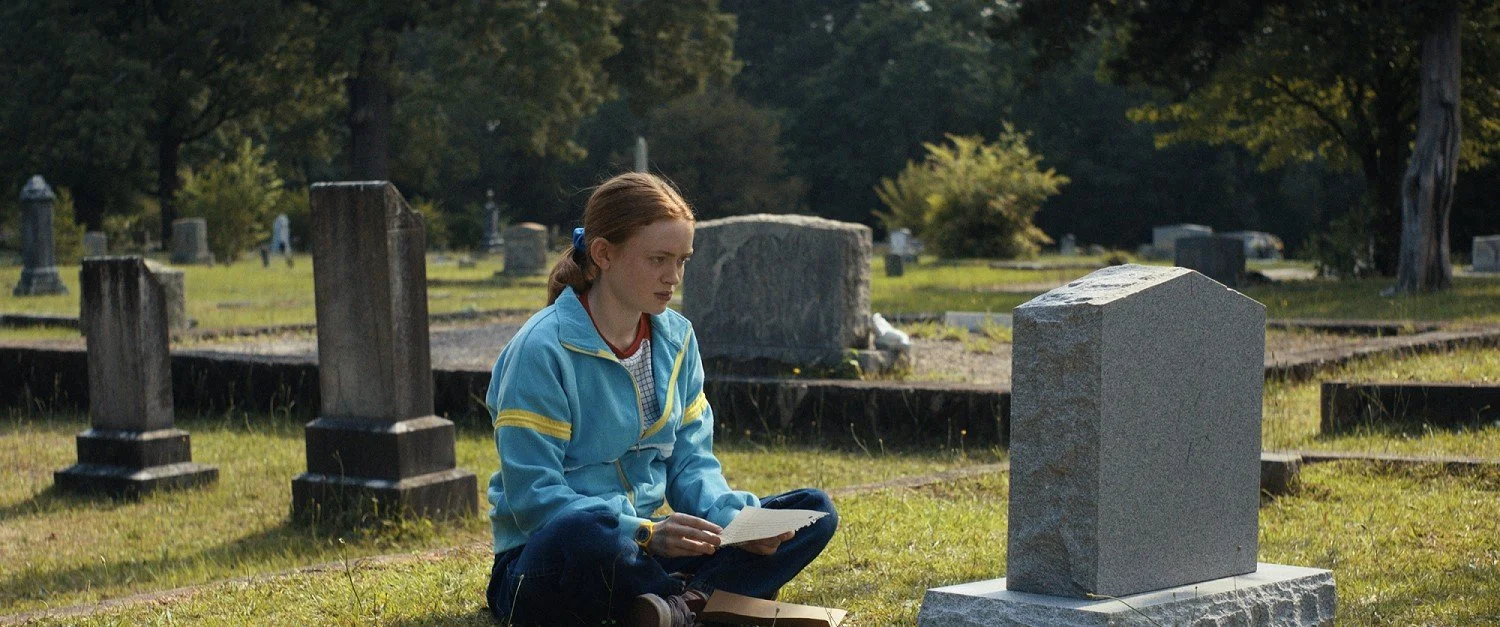
Max in Stranger Things Season 4, Image courtesy Netflix
“What have you done?” Papa asks Eleven, whose eyes are bleeding. She stands in front of the portal she’s created to the Upside Down.
Flash forward to where our characters are now, half having moved to California (as a result of the loss of Hooper and what’s thought to be the “end” of terrors) and the others still living in Hawkins—all still dealing with losses, changes, and your typical, or not so typical, teenage drama.
In looking at the show as a whole, and because I don’t want to belittle anyone’s problems, our early introductions set the stage for some “softer” drama, such as bullies, breakups, the desire to be popular, the changing (or ending) of friendships and even long-distance relationships. While these are all valid and often troubling issues that just about everyone goes through, these problems are just scratching the surface. Much darker things lurk beneath.
In this season, our (new?) monster is preying on those most affected and tormented by their own thoughts and trauma. Vecna, also known as Henry Creel and 001, is essentially an allegory for mental illness, and honestly, one of the scariest villains to reveal himself in the series. Essentially the core of the Hive Mind, this undead, dark wizard can only be described as a gory, vein- and tentacle-covered monster with a giant claw-like hand used for taking souls. Souls that will never leave the Upside Down.
While the previous three seasons focused on children fighting what was meant to be just otherworldly monsters, Season 4 forces us to face the internal demons our characters are struggling with and the emotional toll. And although some critics have scrutinized this plot for pushing potentially suicidal individuals to a “merciful” death by Vecna’s claw, I disagree with the assumption that those same characters are weak or damaged.
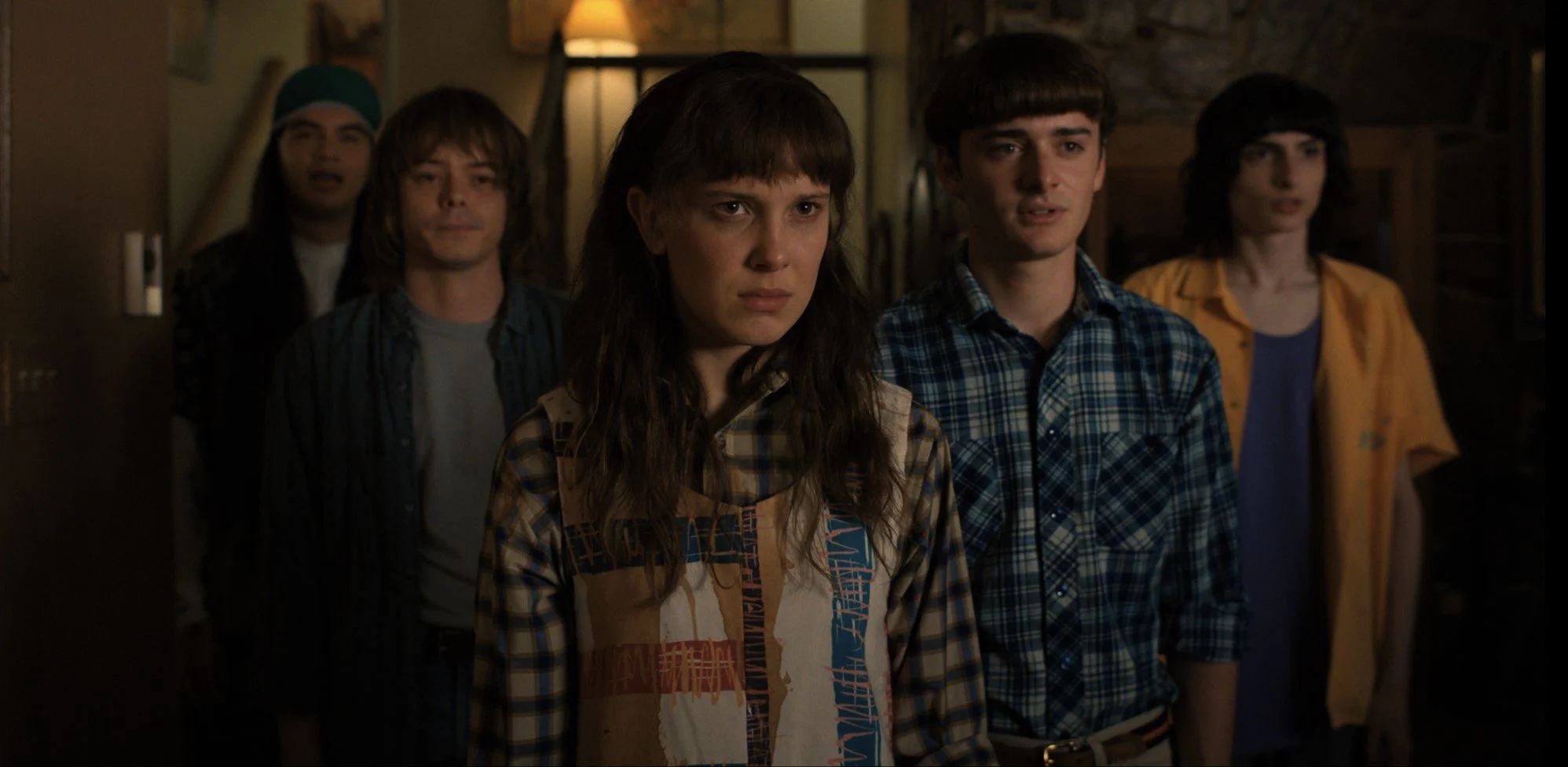
Stranger Things Season 4, Image courtesy Netflix
The reality is that Vecna really has no limitations when it comes to selecting his victims. The predator Vecna is has no shame in preying on the repressed memories of those suffering from a mental illness, such as depression, PTSD, and anxiety. He misconstrues and intensifies their thoughts to a debilitating extent without care. Like a curse, once your clock starts ticking, the visions and nightmares consume you. There is no escaping your fate—at least for most.
Although severely unfortunate for those already going through a rough time, we are on occasion, particularly in Max’s encounters, shown metaphors or echoing messages to seek help, be open, and have a supportive social circle. As someone who has also experienced trauma, or for anyone who has ever been hurt, this is not the easiest thing. Therapy is not easy either, and it can take months, if not years, to work through our hurts, let alone develop coping mechanisms.
This is why Vecna wins: time is literally on his side (as well as being part of his signature). While there are ways to deflect him, such as happy memories or a favorite song to drown out the mind entirely, there is no promised cure or quick fix for mental illness that could prevent him from invading. That’s true in the series just as much as it is in real life, which is why I think much of this season is so relatable and powerful. The season is an emotional climax for literally each of our main characters (whether Vecna is haunting them or not).
Season 4 doesn’t lose the plot, its character development is superb and there is a genuine wake-up call to check on your loved ones, talk to your friends, and look in your own mirror at whatever darkness you’ve been hiding away. While I don’t think anyone can “beat” trauma or mental illness, we can learn to live with it. And no, I don’t mean in the sense that our traumas make us stronger or weaker, but in the simple way that they literally shape us and how we grow from them.
You shouldn’t let your trauma or mental illness break down your body the way Vecna snaps his victims—we all have to find a way out of our own Upside Down. Much like Eleven, who faces her trauma head-on, we have to be strong if we want to fight. Let’s just hope our other characters can do the same in Season 5.
Article written by Destiny Johnson
Destiny writes about true crime and thrillers. She likes movies and stories that make you question the world around you, more so than what makes you jump.

![[Movie Review] Dead Mail (2024)](https://images.squarespace-cdn.com/content/v1/5d3e481bc5a6e40001b215a8/1745079293263-SFBEIPQXTRG91EFCVDA4/Screenshot+2025-04-19+at+12.14.27%E2%80%AFPM.png)


“You’re going to need a bigger boat,” Chief Martin Brody (Roy Scheider) trembles, having seen the great white shark Quint (Robert Shaw) and Matt Hooper (Richard Dreyfuss) have been collectively searching for—hunting for—for the first time since the people of Amity Island started being consumed by the eating machine.