
A Priest and an Alcoholic Walk Into a Bar: ‘Thou Shalt Kill’ (2025)
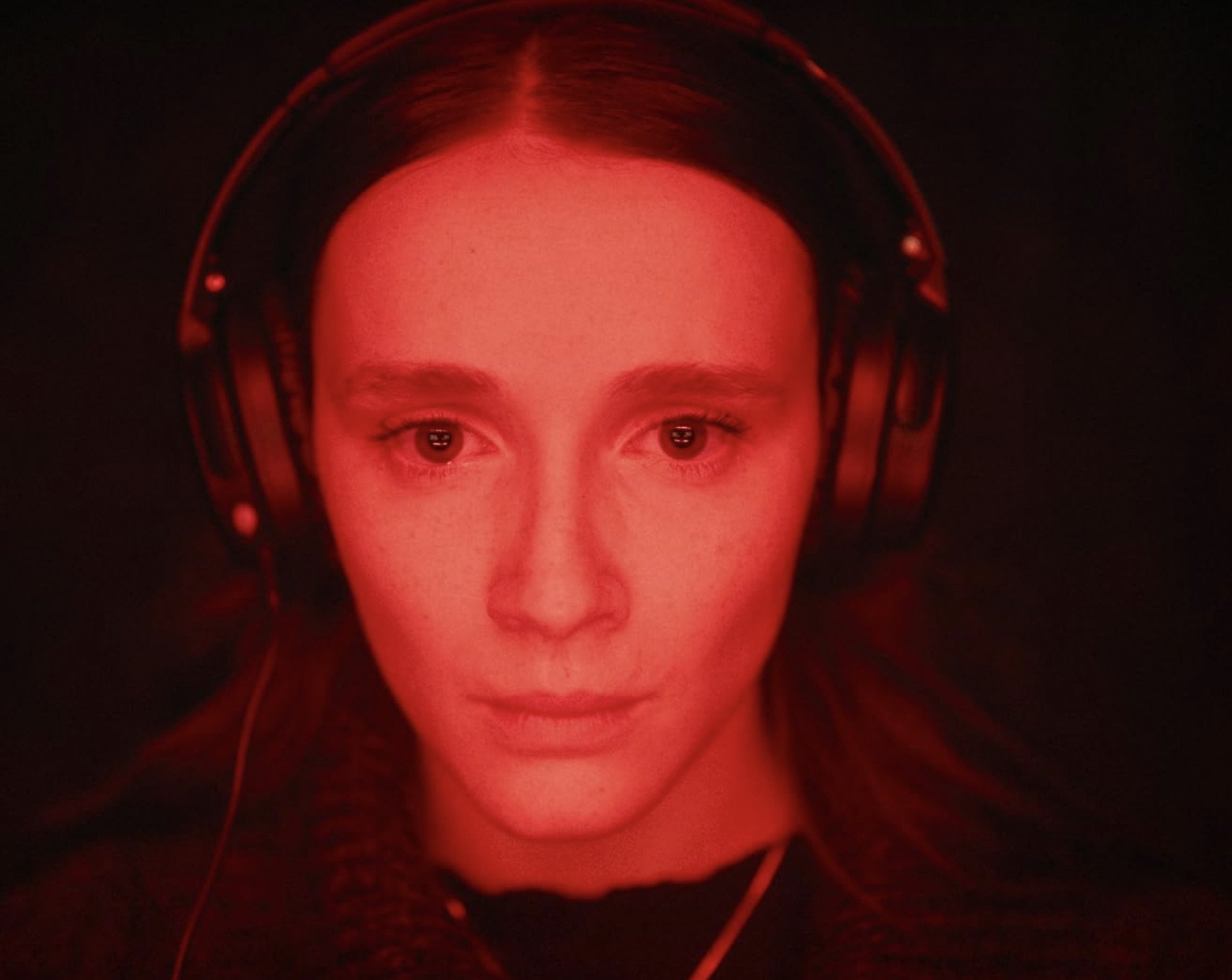
Directed by Richard Friedman and written by Nathan Illsley, Thou Shalt Kill is a new serial killer thriller available on Amazon that stars Augie Duke as Shannon, a recovering alcoholic whose soon-to-be ex-wife Jamie (Delilah Andre) decides to seek sole custody of their son Alby (Ayden Lozano). When Shannon is kidnapped by a “Priest” (Vince Lozano), a righteous killer bent on making the world fear God again, her despair frustrates the Priest’s demands that she must feel fear before he kills her.
Before long, the Priest probes Shannon’s life, trying to find some way to crack the jaded shell that has left her so despondent and without hope. When he finds it in Alby, Shannon’s mettle is tested as she races against the clock to turn the tables, using the Priest’s own twisted logic against himself as she tries to redeem herself as a mother, and a human being.
Thou Shalt Kill’s small production, though evident, doesn’t take away from the fact that both of the film’s leads, Duke and Lozano, steal the show. Lozano does tremendous work as the Priest, delivering his lines with a chilling conviction and a near-perfect lack of empathy for his victims. Duke, meanwhile, plays up Shannon’s victim mentality—everything that has happened to her and is happening to her is Jamie’s fault. It is Jamie who is evil. Jamie is the one trying to wrench her son away from her and uproot him from everything he knows.
Shannon’s dedication to her narrative is one of the first things that frustrates me about the film’s script, however. In all of her monologuing and complaining about Jamie’s vendetta, and as the Priest listens and needles for any way into the soft center of her psyche, he never points out that Shannon, a self-acknowledged alcoholic prone to blackouts, might very well be the terrible mother that Jamie is making her out to be. Even if it weren’t true (and it is), the Priest never uses Shannon’s own admissions against her—he never nurtures that seedling of doubt in her mind, the one that she actively ignores, to catch her off guard and break her sooner.
It’s an oversight that might be intended to draw out the verbal sparring between victim and killer, but it undermines the moral arguments of each of them. By not forcing Shannon to confront her failings as a mother, the clarity of mind she has to debate the Priest on his convictions is called into question. Conversely, the Priest’s failure to identify Shannon’s clear blinders to her situation makes it difficult to believe that he has the (albeit warped) sense of discernment that the rest of the writing seems to indicate that he has as he roots out the sinners of Las Vegas.
As her story further unfolds, Shannon’s actions and those of her wife and her divorce attorney start to fall apart, as well. The heyday of the “it was all in their head” twist narratives may have come and gone with Fight Club, but Thou Shalt Kill seems to be hinting, at least to some extent, that Shannon’s experience may, in fact, not have happened. Whether it’s her relapse shortly after hearing a news report about the Priest, the frequent blackouts she experiences, or other traumatic events she’s gone through, it’s unclear exactly what or how much is going on in Shannon’s head, but it’s the only possible conclusion that jibes with the film’s ending. If the film’s moral is to have Shannon’s battle with the Priest stand in for her coming to terms with her own shortcomings, I wish it would have been a little more explicit in her lesson learned in order to reconcile with its various confused threads.

Despite these weaknesses, though, Thou Shalt Kill still manages to entertain as a jousting match between Duke and Lozano’s characters. Lozano’s silky smooth demeanor contrasts nicely with Duke’s explosive fits, and her full-throated screams during several bouts of fury could make any seasoned scream queen blush. I’d have loved to see some more intensity during the middle of the film where it stalls some, or some more pronounced gore to keep the juices flowing, so to speak—something more to justify the performances Friedman got from his lead actors.
Article by Ande Thomas
Ande loves the intersection of sci-fi and horror, where our understanding of the natural world clashes with our fear of the new and unknown. He is an independent member of the Society for Cinema and Media Studies and a supporting member of the Horror Writers Association. He writes about monsters and foreign horror and can also be found over on Letterboxd.

Other Articles You May Enjoy…
![[Movie Review] Dead Mail (2024)](https://images.squarespace-cdn.com/content/v1/5d3e481bc5a6e40001b215a8/1745079293263-SFBEIPQXTRG91EFCVDA4/Screenshot+2025-04-19+at+12.14.27%E2%80%AFPM.png)

![Endless Summer Syndrome [Movie Review]](https://images.squarespace-cdn.com/content/v1/5d3e481bc5a6e40001b215a8/1736007451282-BL59IX7PBESRI293K6QH/Endless+Summer+Syndrome+Theatrical+Poster.jpg)


“You’re going to need a bigger boat,” Chief Martin Brody (Roy Scheider) trembles, having seen the great white shark Quint (Robert Shaw) and Matt Hooper (Richard Dreyfuss) have been collectively searching for—hunting for—for the first time since the people of Amity Island started being consumed by the eating machine.