
Why Studying Horror Writing in College Changes Your View of Fear
Fear is usually something we try to avoid. We turn on the lights after watching a scary movie, skip the dark hallway, or laugh nervously when a story gets too creepy. But when you study horror writing in college, something strange happens. Fear becomes a subject, a tool, a mirror, and sometimes even a teacher.
At first, horror may look simple. A haunted house. A monster in the woods. A ghost at the window. Yet college-level horror writing shows you that fear runs deeper than blood, screams, or jump scares. It helps you understand why people are scared, what society hides, and how writers use fear to talk about real human problems.
Studying horror writing in college changes your view of fear because it teaches you to look behind the shadow instead of running from it. And once you do that, fear never looks the same again.
What Horror Writing Teaches You About Fear
Before college, many students think horror is mainly about entertainment. It is the genre you read for thrills, chills, and late-night fun. However, in a college classroom, horror becomes something richer. You begin to see fear as a language.
Writers use fear to speak about things people often avoid: death, loneliness, guilt, trauma, violence, injustice, and the unknown. A vampire may not just be a vampire. It can represent desire, disease, power, or social anxiety. A haunted house may not just be a spooky place. It can represent memory, family secrets, or the past that refuses to stay buried. For students, practicing writing at college can be both useful and challenging because assignments are not always about the stories, styles, or topics they personally want to explore. Sometimes you may want to write a dark, emotional horror scene, but your professor asks for an analytical essay, a character study, or a research-based response instead. This is where many students try to find essay writing services for professional structure, argument flow, and academic tone. And this can really help them to understand writing standards better and improve their own skills. It pushes students to step outside their comfort zone, follow specific instructions, and still find space for imagination inside the limits of the assignment.
This is where horror writing becomes powerful. It gives shape to invisible fears. Think of fear like smoke in a room. You know it is there, but you cannot hold it. Horror turns that smoke into a monster, a ghost, or a strange sound in the wall. Suddenly, you can see what scares you.
In college, students learn to ask better questions. Why does this story scare us? What does the monster represent? Why is the setting dark, isolated, or broken? Why does the main character ignore warnings? These questions turn horror from a simple scary story into a deep study of human nature.
Fear Becomes More Than a Jump Scare
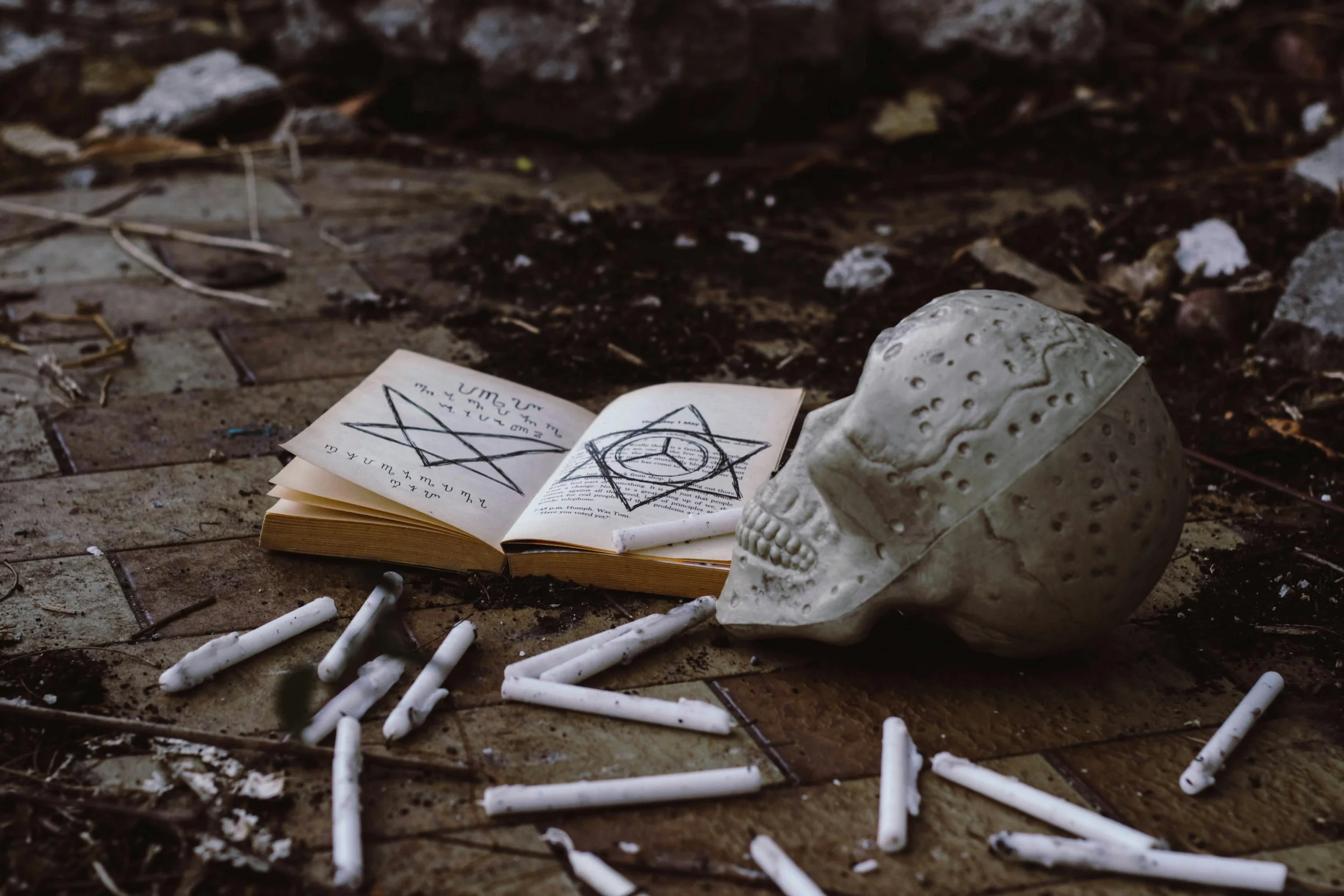
Image by Joy Marino, via Pexels.
One of the biggest changes that happens when studying horror writing in college is that fear becomes more complex. You stop thinking that horror only works when something shocking happens. Instead, you learn that true fear often grows slowly.
A jump scare is quick. It surprises you, and then it passes. But literary horror stays with you. It crawls under your skin. It makes you think about things long after the story ends. That is because strong horror writing often builds fear through mood, tension, character, and meaning.
For example, a locked door in a horror story may seem simple. But why is it locked? Who locked it? What is behind it? Why does the character feel drawn to it? The fear does not come only from what is inside the room. It comes from the questions around it.
College teaches you that fear is not always loud. Sometimes it whispers. Sometimes it hides in silence. Sometimes the scariest moment is not the monster appearing, but the character realizing they have been wrong the whole time.
The Fear of the Unknown
The unknown is one of the oldest sources of horror. People fear what they cannot understand. A strange noise in the basement is scary because the mind fills in the blanks. Is it a person? An animal? Something worse?
When studying horror writing in college, you learn how writers use the unknown with skill. They do not reveal everything at once. They leave gaps, clues, and unanswered questions. This makes the reader participate in the fear. The reader’s imagination becomes part of the horror.
In many ways, the unknown is like a dark ocean. You may only see the surface, but you know something could be moving underneath. Horror writers understand this. They know that what we imagine is often more frightening than what we see clearly.
The Fear of Losing Control
Another powerful fear in horror writing is the fear of losing control. This can appear in many forms. A character may lose control of their body, their mind, their home, their future, or their identity.
College courses often connect this type of fear to real life. After all, people fear losing control in many ways. We fear illness. We fear failure. We fear being misunderstood. We fear becoming someone we do not recognize.
That is why stories about possession, madness, transformation, or invasion feel so intense. They touch a deep human worry: What happens when I am no longer in charge of myself?
College Turns Horror Into a Serious Literary Study
Some people still believe horror is not “serious” literature. They see it as cheap entertainment or something made only for thrills. But studying horror writing in college challenges that idea quickly.
In college, horror is treated as a genre with history, structure, themes, and cultural value. Students may read Gothic novels, ghost stories, psychological horror, weird fiction, feminist horror, or modern horror. They learn that horror has always been connected to society’s biggest fears.
For example, Gothic horror often explores family secrets, forbidden desire, and social pressure. Psychological horror studies the mind and its breaking points. Body horror looks at fear through physical change, illness, and discomfort. Supernatural horror asks questions about death, belief, and what may exist beyond human understanding.
This academic approach helps students respect horror as an art form. Horror writing is not random darkness. It is carefully built. Every setting, symbol, sound, and sentence can shape the reader’s fear.
You also begin to notice craft. A good horror writer controls pacing like a musician controls rhythm. Sometimes the story moves fast, like a heartbeat during panic. Sometimes it slows down, like footsteps in an empty hallway. This control makes the reader feel trapped inside the story’s emotional world.
Studying horror in college also shows how fear changes across time. What scared people a hundred years ago may not scare readers in the same way today. However, many fears remain familiar: death, isolation, the stranger, the double, the hidden truth. Horror changes its mask, but the face underneath often stays human.
How Studying Horror Changes the Way You Write
If you are a writer, studying horror writing in college can completely change your creative process. You start to understand that horror is not only about “scary things.” It is about emotional pressure.
A monster is only effective if the reader cares about what it threatens. A ghost is more powerful when it connects to memory, guilt, or loss. A dark forest becomes frightening when it reflects the character’s inner confusion.
In other words, horror writing teaches you that fear needs meaning. Without meaning, horror can feel empty. With meaning, even a small detail can become terrifying.
You also learn the importance of atmosphere. Horror depends heavily on mood. The smell of dust, the flicker of a light, the sound of rain against a window, or the feeling of being watched can create tension before anything dangerous happens. These details pull the reader into the world of the story.
Studying horror also improves your understanding of character. Fear reveals people. When characters are afraid, they make choices. Some become brave. Some become cruel. Some lie. Some run. Some face the truth. Horror pushes characters to their limits, and that pressure shows who they really are.
This is useful for all kinds of writing, not only horror. Even romance, drama, fantasy, and literary fiction need tension. They need conflict. They need characters who want something and fear losing it. Horror simply makes those fears sharper, like turning up the contrast on a photograph.
Another important lesson is restraint. New writers sometimes show too much too soon. But horror often works best when it holds back. The closed door is scary before it opens. The shadow is scary before it becomes a shape. The secret is scary before it is spoken aloud.
College workshops and discussions help students see this clearly. You learn when to reveal, when to hide, and when to let the reader’s imagination do the work.
Why This New View of Fear Matters Beyond the Classroom
The most surprising part of studying horror writing in college is that it changes how you see fear in real life. You begin to understand that fear is not always an enemy. Sometimes fear is a signal. It points toward something important.
Fear can show what a culture values. It can reveal what people try to hide. It can expose unfair systems, personal wounds, or social anxieties. Horror stories often ask uncomfortable questions: Who is treated like a monster? What happens when a community refuses to face the truth? What secrets are buried under normal life?
This new view makes you a more thoughtful reader and a more aware person. You stop asking only, “Was this scary?” and begin asking, “Why was this scary?” That one question can change everything.
Studying horror writing in college also helps you face fear with more curiosity. Instead of turning away from darkness, you learn to examine it. This does not mean fear disappears. Fear is part of being human. But it becomes less mysterious. You can name it, study it, and understand how it works.
That is the real power of horror writing. It does not only scare us. It helps us think. It gives us a safe place to explore unsafe feelings. Like a storm watched from behind a window, horror lets us experience danger while still having space to reflect.
In the end, studying horror writing in college changes your view of fear because it reveals fear’s hidden depth. Fear is not just a scream, a monster, or a dark room. It is memory, culture, identity, imagination, and truth. Once you learn to read fear this way, horror becomes more than a genre. It becomes a lens for understanding people, society, and yourself. And maybe that is why we keep returning to scary stories—not because we love being afraid, but because fear has something important to tell us.
Other Articles You May Enjoy…

In The Buffalo Hunter Hunter, blood carries the violence of colonialism, while a settler’s journal controls whose story survives. This essay examines how Stephen Graham Jones uses vampirism and layered testimony to confront historical erasure.