
Book Review: A Rose for Her Grave
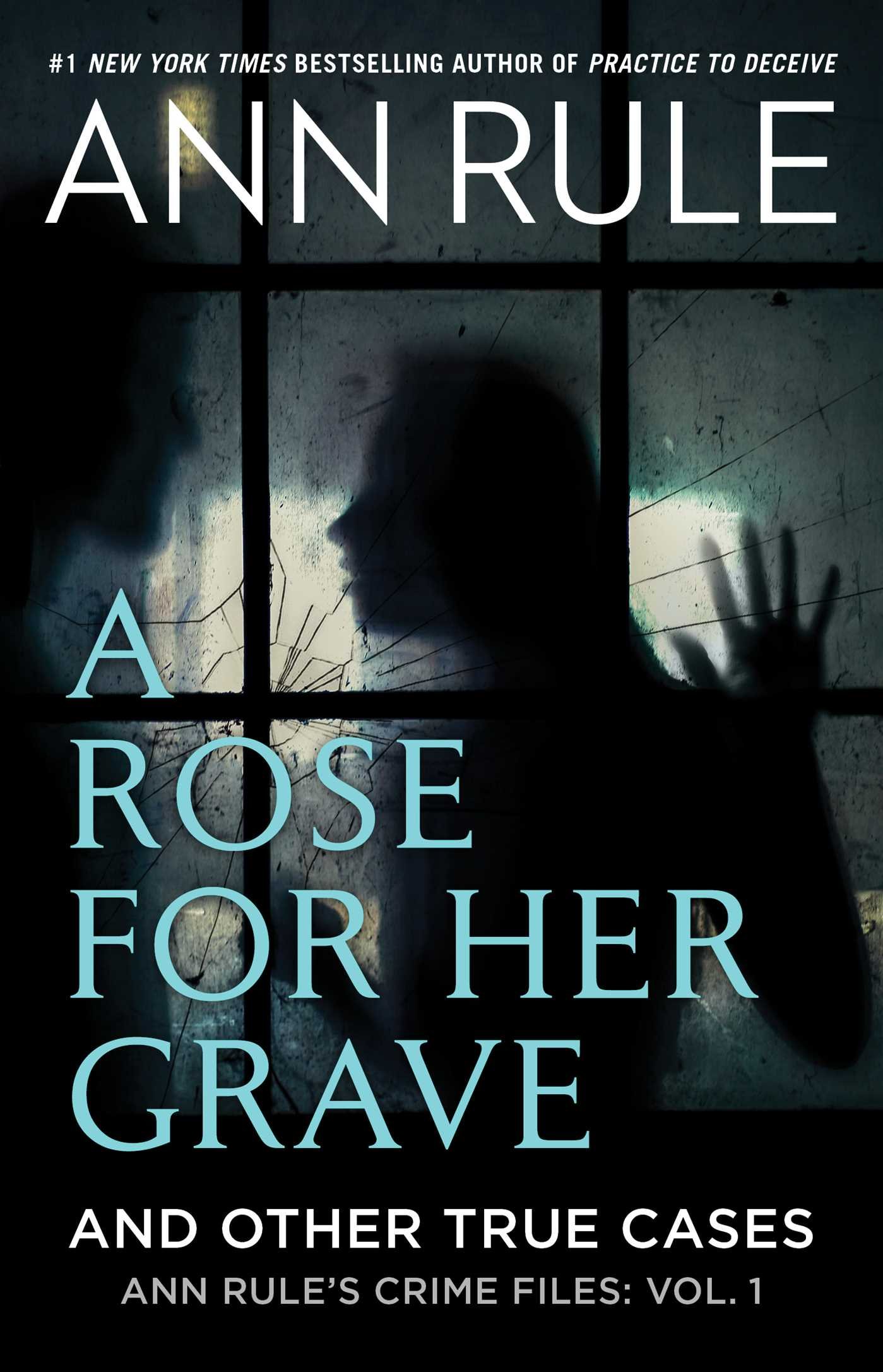
Released in trade paperback for the first time since its original publication in 1993, Ann Rule’s timeless writing style in A Rose for Her Grave and Other True Cases touches on everything I love about the true crime genre. In the same year as my birth, Rule was publishing A Rose for Her Grave as the first installation of what would later become her own Crime Files series.
A #1 New York Times bestselling author, Rule is most known for her personal relationship with infamous serial killer Ted Bundy, described in The Stranger Beside Me. Her retelling of Bundy’s murders and deceit was recently brought back to the forefront thanks to films and true crime docuseries such as Extremely Wicked, Shockingly Vile and Evil (2019), Conversations With a Killer: The Ted Bundy Tapes (2019), Ted Bundy: Falling for a Killer (2020) and No Man of God (2021).
While the latest release of A Rose for Her Grave covers stories of some of the nation’s lesser-known serial killers from areas surrounding Seattle, Rule knows just how to hook us with her trademark “unwavering voice” (Publishers Weekly). Before I could even get to the grit of her twisted stories, her author’s note got me first. Specifically, I was lured in with:
“I have always believed that true crime writing should not only absorb its readers but also educate them. There is no need to embroider spectacular cases; human behavior is in and of itself more fascinating than anything to be found in fiction. Those who have read my work before know that I do not stress blood and gore and grotesque details; I focus my research on the whys of murder more than the how.”
She went on to say that the cases she selected were for a special reason, whether they highlighted intriguing insights into bizarre and unpredictable human behavior, or because she and the victims had something in common—such as where they lived or their interests. Just pages into the prefaces I was poised for what was to come, hopeful that not only would I learn something new about criminal behavior but that I would also gain a deeper understanding of the psychopathology behind these murderous crimes.
A former police officer, Rule recalls the chilling case of Randy Roth, a serial killer—also referred to as a “Bluebeard” in the text. According to Rule, “Bluebeards” refer to the wife killers in fairy tales and folklore, and have been a part of the world’s popular culture since 1697. While the stories are antiquated, it is interesting to see the tellings played out in real life in the 1980s and 1990s.
To many women, Roth seemed like a handsome, charming single father. Whilst in pursuit of a relationship, his suitors were “swept off their feet” with gifts, trips and kindness. However, his hyper fixation on swooning women wasn’t just to wed them. (He would end up marrying four times.) Roth always had a second agenda, and that was to get his wife to purchase a hefty life insurance policy. What the women didn’t know, though, is that he would then coordinate tragic, accidental deaths for a profit.
For Roth, the deaths of women were a paycheck. It didn’t matter if she had family, or children, he would just make sure to apply for their social security benefits as well. And if he was in pursuit of a woman who couldn’t be insured or refused to get a policy, he left. His story, among others in the anthology, reminds us that even the sweetest of charmers can have an emotionless dark side.
What’s more intense, however, are the stories about the victims and the almost victims. Very well researched, the retelling of each case covers not just the women who lost their lives shortly after marrying Roth, but the neighbors and friends that were positively—and then negatively—impacted by his fictitious posturing. The man, like other monsters famed for taking the lives of others, is like a chameleon. He can play the part he needs to best achieve his own ends.
The book goes on to cover shorter, but just as impactful cases, including murderers Charles Rodman Campbell and Richard Marquette, contract killer Cynthia Marler, the death of Molly McClure and the disappearance of Janna Hanson.
For over three decades, Rule served as a powerful advocate for victims of violent crime. One example of the great lengths Rule went to help a family find justice can be found in In the Still of the Night. In this true crime retelling, Rule helps the Reynold’s family investigate the suspicious death of their daughter in 1998, which had originally been ruled a suicide. Before her passing in 2015, she would complete 17 chilling installations in her Crime Files series and write 35 bestselling books.
I received a copy of A Rose for Her Grave in exchange for an honest review.
Article by Destiny Johnson
Destiny writes about true crime and thrillers. She likes movies and stories that make you question the world around you, more so than what makes you jump.



Filmmaker Bari Kang discusses Itch!, from its practical gore and zombie influences to filming in his own NYC store and directing his daughter.