
Clockwork Terror: The Beauty of Timed Fear
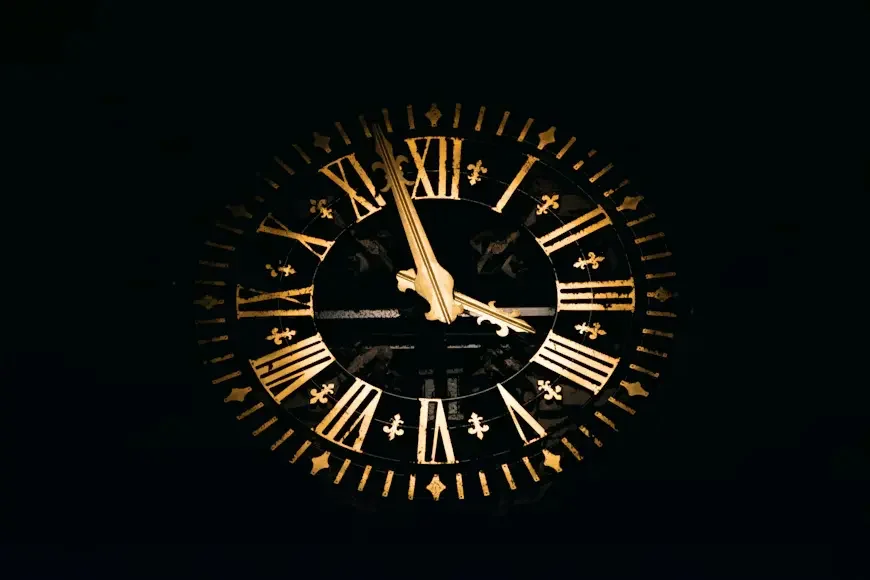
Time is but a construct. It’s a human-made concept that breaks days into hours, minutes, and seconds. Occasionally, you’ll think, “Where has the time gone?” or “Why is this day dragging?”
It’s not your imagination, and Popular Mechanics thinks it knows why.
Some people report “time expansion experiences” while meditating or in deep concentration. Also called TEEs, psychologist Steve Taylor tells the publication that these instances could be altered states of mind that disrupt our normal psychological processes. In short, time slows down.
In his book Time Expansion Experiences, Taylor explains that what we call slow motion is, in theory, time expansion. And if his hypothesis is true, the human brain is capable of extraordinary things.
Tick Tock
If time is the enemy, we can bend it to our whim. The ticking clock deciding the protagonist’s fate remains a long-tested plot device in horror. It’s why Jigsaw keeps rising from the dead in all 10 Saw movies. Imagine if the mind could stretch seconds and warp reality. The doomed countdown would be just another gimmick. Still, the sound of a clock ticking loudly amplifies anticipation and fear. It’s called timed fear; a euphoric high for movie directors and horror escape room designers.
The Science of Scaring You Senseless
What makes us love fear? Why do we willingly hand over money to be terrified by clowns, ghosts, or possessed dolls that clearly need therapy?
One word: Neuroscience.
Frontiers in Behavioral Neuroscience explains that fear activates our amygdala, flooding us with adrenaline and dopamine. Our brain turns terror into a drug. That same rush keeps horror fans glued to screens or pacing around a locked escape room trying to find a way out before the timer hits zero. Business Insider suggests that the fear response boosts focus and energy. It’s our survival instinct turned into a recreational sport. Some call it crazy. We call it Saturday night.
Escape Rooms: Fear You Can Touch
If horror films are the theory of fear, escape rooms are the lab experiment. 60out describes escape rooms as blending movie-level storytelling with real-time panic. You’re not watching the story; you are the story. Every locked box, every flickering light, every ticking clock turns you into both the main character and the prey. And the fear isn’t random. It’s precision-crafted. Horror escape rooms intensify suspense by blending sensory overload (sound, light, scent) with cognitive puzzles. It’s immersive psychology.
You’re solving riddles with shaking hands while something breathes just over your shoulder. If that’s not modern art, then slap us over the head with a boot and call it a day.
Lights, Camera, Panic: How Movies Perfected Timed Tension
Cinematographers have long known that fear is rhythm. Game design lecturer Dr. Andrew Wedgbury says that camera movement shapes anxiety. A slow zoom mimics a held breath. A shaky pan creates confusion. The pacing of a scene builds an invisible clock in your head.
Modern directors have mastered this. Films explored by GeekVibesNation reveal how timing evolved from old-school jump scares to psychological pressure cookers. Think Hereditary’s dinner scene or A Quiet Place’s nail-on-the-stairs moment. You know what’s coming. You don’t know when.
What if You Don’t Escape in Time?
We can assure you there’s no chance of being left for dead. Or is there? (Cue the ominous laugh).
Most escape rooms end when the timer does. A successful escape gets you bragging rights. Otherwise, no one’s dragging you to a dungeon or turning you into part of the decor. Still, we’re not going to lie that failure carries its own sting. The moment the clock hits zero, you feel the gut-drop of defeat.
It’s a miniature horror film ending with you as the final victim. Time wins, and you get to walk away with your heartbeat racing and your pride bruised.
The Sweet Spot Between Terror and Triumph
Why does the ticking clock make fear taste sweeter?
It gives horror structure. A good escape room or movie knows fear works best when measured in seconds. The “how long until it’s over” keeps our brains locked in survival mode. A recent Entertainment Computing study found that timed tasks heighten emotional arousal and sharpen decision-making. The pressure makes everything more intense. That’s why scary escape rooms feel so real. They mimic that primal countdown our ancestors felt while running from predators. Except instead of a lion, it’s a haunted doll locking eyes with you in the dark.
Fear You Can Control
Ultimately, timed fear is about control.
You can’t control what you cannot see in the darkness, or the puzzle that refuses to click. You can control your reaction. It all comes down to choices. You choose to face the unknown. And you’re unknowingly transforming terror into empowerment.
And maybe that’s why horror feels oddly beautiful. It reminds us that courage is surviving the countdown.
Other Articles You May Enjoy…
Filmmaker Bari Kang discusses Itch!, from its practical gore and zombie influences to filming in his own NYC store and directing his daughter.