Terrified at Home: Why House Arrest Prevails as a Horror Media Theme
The clock is ticking in the living room. Your yard is in eerie silence. You open the refrigerator for a cool drink…and a shadow comes at you from behind. The walls close in, and surreal hallucinations cloud your mind until you're lost to reality.
The possibilities of being terrified in one’s own home (or of your home) are endless. It seems strange that one’s place of comfort and reassurance can hold such potential for horror, but it is a theme the genre media has heartily embraced. House arrest, a curtailment of your freedom to escape the horrors within, is a particularly dominant subtheme.
What Science Says About the Horrors of House Arrest
Some of the baseness of this situation comes from being literally trapped, i.e., powerless to leave. The human mind, with its rich imagination, can contort wild possibilities in this situation to make the circumstances seem graver than they may be.
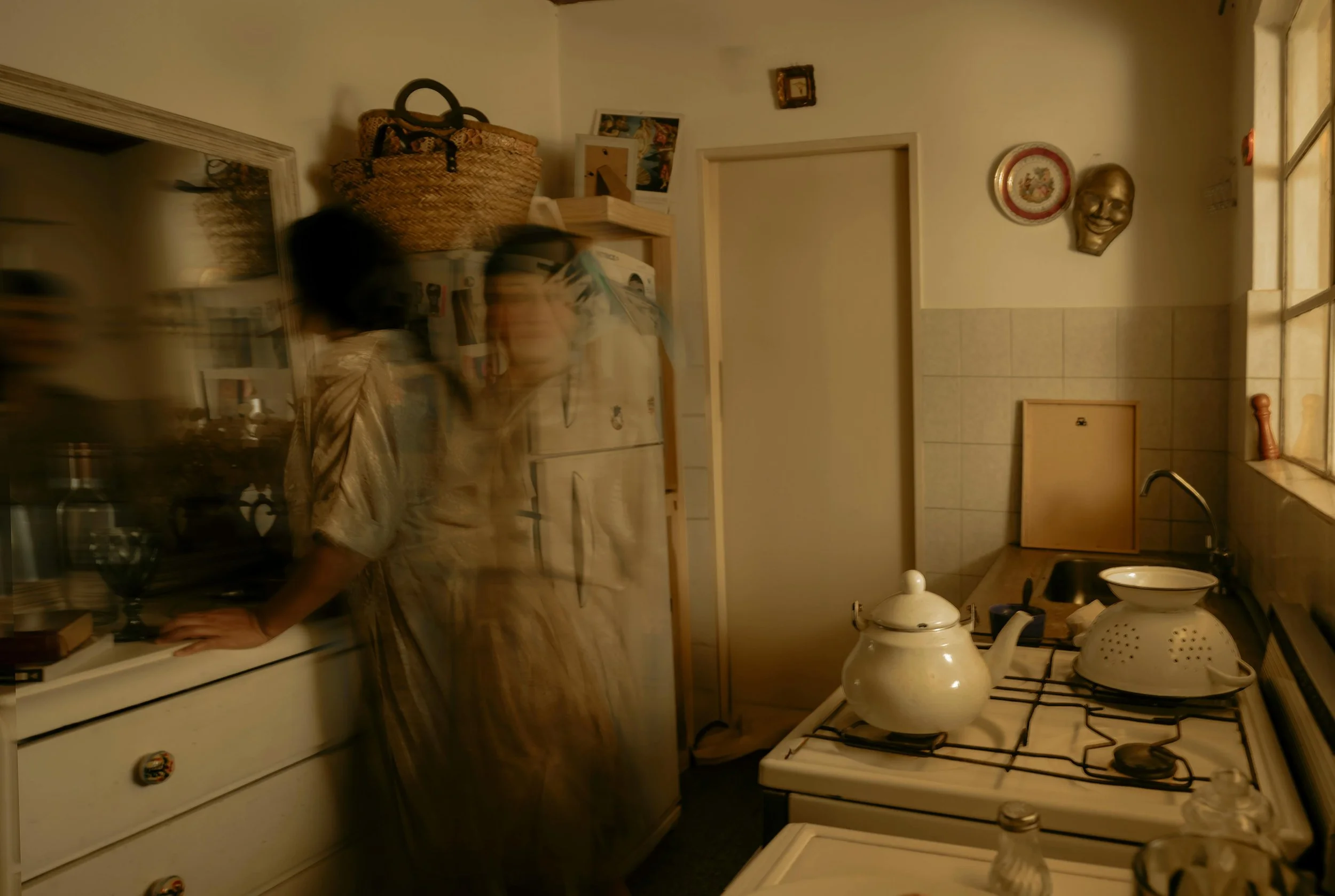
Image by Natalia Olivera on Pexels.
A BBC feature notes that people are much more likely to experience paranormal behavior or even see ghosts when they have a preexisting belief and the right context. Situations where the body and mind are uneasy, such as being held against one’s will, make such experiences more common.
The perfect example is the setting of a psychiatric ward where people with serious mental health conditions are detained. Martin Scorsese’s Shutter Island (2010) is the epitome of true-blue human horror, fitting this setting. The protagonist, a US Marshal, is searching for a patient who escaped from a mental ward. He must encounter and defeat his own demons on this quest.
Lately, horror media also studies how some instances of house arrest may not be apparent at first. These “voluntary” experiences may turn out to be more petrifying in the long run. A Cure for Wellness, the 2016 film, exemplifies this concept. People who visit a spa in the Swiss Alps, hoping for rejuvenation, never seem to leave. Who would willingly leave a spa, right?
Psychological Trapdoors in the House
The manifestation of horror in the house may not always stem from a paranormal presence. Some intelligent films in recent years have employed psychological trapdoors to great effect in inspiring scares. In Housebound (2014), the protagonist is compelled to stay in her childhood home after a delinquent act of stealing. She initially dismisses her mother’s belief that the house is haunted. But that soon changes.
It is arguable that some extent of the protagonist’s “delusional” experiences stems from the feeling of being stuck at home, against her will, and as punishment. An inability to get away when she wants is a psychological trapdoor. Sometimes, these traps may not even stem from a conventional definition of evil. They could be brought on by human-made phenomena, such as jarring lighting and manipulative algorithms in absorbing video games.
The video game addiction lawsuit, which is currently ongoing against firms like Microsoft and Nintendo, claims that some titles use manipulative means to induce addiction among users. TorHoerman Law explains the plaintiffs’ allegations, noting that algorithms relying on rewards and feedback loops may cause hyperarousal and dependency.
No wonder several horror movies have adopted video games as central figures, such as 2006’s Stay Alive, where the players die in real life based on how their characters die in the game. Even back in 1997, the hard-hitting Funny Games depicted how “games” and their casual glossing over of meaningless violence can set the precedent for a nonchalantly violent civilization.
Creature Horror on Home Ground
Another fascinating avenue to create satisfying scares comes from creature horror in familiar territory. One may expect an outworldly presence on a remote island, but surely one’s kitchen is safe? Visitors to the supermarket in Stephen King’s The Mist (2007) must have assumed it was safe. That changed dramatically when monstrous creatures invaded the aisles of peanut butter and magazines.
Over the years, The Conjuring has shown various scenarios of ghosts in familiar territories. These stories revolve around people who have experienced nerve-wracking incidents in their loving homes. (Some people now believe that the unexplained incidents were caused by natural gas leaks and carbon monoxide poisoning. And some good old pranking.) However, the quintessential haunted house theme of horror media becomes starker when the occupants are powerless to escape. No outside investigators with degrees in paranormal science. No helpful neighbors or police dogs.
Some clever films, like The Quiet Place (2018), play on this theme brilliantly. The family must defend itself against creatures that hunt by sound. House arrest becomes infinitely more challenging when one cannot even scream in protest. Variety notes that the movie’s genre-bending quality makes it so successful. It’s not a slasher but more sci-fi, atmospherically unsettling but not too nightmarish for casual horror watchers.
Over the years, many horror filmmakers have adopted fluidity to grow their audience. For the house arrest theme, your possibilities could be creature-focused or psychological, an Oscar-worthy Room (2015) vibe, or a campy The Cabin in the Woods. Either way, the genre remains enduring as a theme, captivating audiences for its relatability or bizarreness in equal measure.
Perhaps, we are a more easily scared generation now, what with the COVID-19 pandemic introducing us to the raw horrors of staying isolated for months on end. When the outside world presents such horror, life in confinement becomes a pendulum moving between relief and suffocation.
Other Articles You May Enjoy…
Filmmaker Bari Kang discusses Itch!, from its practical gore and zombie influences to filming in his own NYC store and directing his daughter.