
‘Gonjiam: Haunted Asylum’ Showcases Exactly How to Utilize Modern Tech in Horror
Released in 2018, Gonjiam: Haunted Asylum is one of the hidden gems of modern horror. Created by Jung Bum-shik of the Korea Republic, the premise of the film is found footage. However, the way it plays out after the introduction is very much in the moment, with the cameras on the characters used as a way to show different perspectives and areas of the asylum.
The catalyst for the story is found footage, so just hope that the characters don’t end up being features of more footage themselves. Modern tech plays a big part in the film, and while the likes of GoPro cameras, streams, and smartphones have been deployed in horror movies for years, few utilize these elements quite as well as Gonjiam: Haunted Asylum to create total immersion and up the fear factor as a result.

Using Tech to Relay the Real-Time Horrors
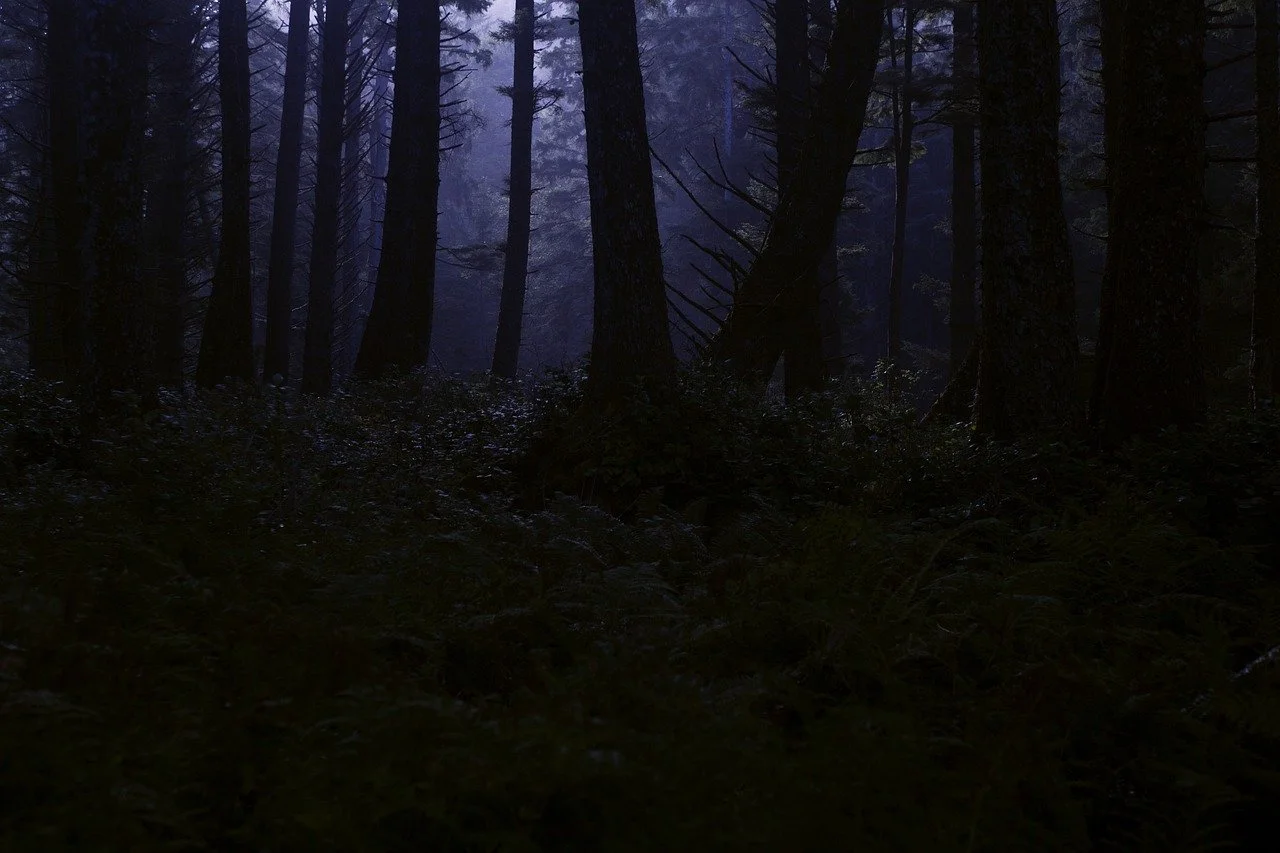
Image by Harmony Lawrence from Pixabay.
Gonjiam: Haunted Asylum opens with some footage of a couple of lads going into the titular asylum and experiencing some spooky stuff. With this as inspiration, a team of people who often delve into supposedly haunted places decide to go visit. A big part of the team’s selling point is that they’ll set up everyone on the team with cameras, dot some around the venue, and then livestream the whole experience at night.
So, while the audience does watch different cuts of footage as they occur, the footage isn’t seen as having been “found” at that moment. For all we know, we’re just watching along at the same time as the online live viewers in the film. It’s this that keeps you in the moment, questioning what the fates of all the characters will be—especially when the curveball gets thrown into the plot about halfway through.
One key to the film’s success is that it utilized simple effects and jumps masterfully. They didn’t need anything overly flashy or gruesome because the live immersion element keeps you on edge throughout. It’s this integral aspect that the coming remakes will need to harness if they’re to experience similar praise. Dark corridors, unexplained movements, something still becoming mobile, and up-close beings all become much more effective.
Without giving too much away, a lot of what happens in the film could be described as cliché in the genre, given how often they’re done. Yet, it is this method of framing it from the point of view of a multi-camera livestream and the desire to keep going for more views and more cash. This keeps the deployment of the occurrences fresh, surprising, and horrifying. Seeing this, it’s clear that more horror products should lean into livestreaming.

Photo by Paul Einerhand on Unsplash.
Gonjiam, IRL
Drawing from what’s achieved in Gonjiam: Haunted Asylum, live online virtual tours could be incredibly attractive to horror fans. Similar to the set-up in Gonjiam, teams could explore haunted places in real-time. To perfect the experience, they’d need to be willing to go where viewers ask them to go, all while livestreaming feeds relay the activities in other parts of the venue suspected to feature supernatural activities.
Virtual tours or live horror events don’t appear to be very common. The virtual tour of Chernobyl, which has long been used as a setting for supernatural horror stories, doesn’t really tap into this, either. Livestream explorations of places like San Diego’s Whaley House or the Menger Hotel in San Antonio or even the Stanley Hotel in Colorado, the hotel which inspired Stephen King’s novel, The Shining could draw major interest from amateur ghost hunters and enthusiasts. Perhaps the closest we have to this interactive haunting experience is virtual reality horror games. The hardware itself makes the immersion impossible to escape. However, it’s still a game, and the visuals aren’t going to be overly lifelike. They can still be scary, but realism isn’t quite there.
Gonjiam: Haunted Asylum absolutely leverages the immersion of livestreaming to make a potent horror film. With some tweaks to the formula drawing from other uses of the tech, there could be something here for a successful online entertainment experience for horror fans.
What do you think? Would you participate in a Gonjiam-style livestream of haunted places? Would you livestream your own haunted explorations?
Other Articles You May Enjoy…

![Haunters of the Silence (2025) [Movie Review]](https://images.squarespace-cdn.com/content/v1/5d3e481bc5a6e40001b215a8/1767991310102-2LDQRQ0B2MD95WKUOJEM/haunters-of-the-silence-poster.jpg)

![[Book Review] ‘The House of Silence; Ghost Stories, 1887–1920’](https://images.squarespace-cdn.com/content/v1/5d3e481bc5a6e40001b215a8/f7984d21-7a65-4f97-a0a2-8e9d66d2d79c/house+of+silence.jpg)
The term “social horror” seeks to highlight and challenge real-life injustices and everyday violence. It moves away from the notion of the supernatural monster to emphasize the human being as the primary source of violence and cruelty against others.