SMALL DARK WONDERS: “Pickman’s Model”
Night Gallery, Season 2, Episode 11.1
Air Date: 1 Dec. 1971
As a culture, we love horror stories: the abbreviated shudders endured by the light of Yuletide fire; the short yarns whispered over wavering flashlights; the brutal lives in minuscule enacted upon stage and screen. Yet, for all our ardent devotion, extended study and appreciation of these forms remains lacking. This column was created to give proper notice to the motion picture’s kith and kin: the television drama. Each installment, we’ll closely examine a stalwart story from the land of anthology horror. Why? Because as you’ll soon find out, they are all small, dark wonders unto themselves.
There’s an adage that says that a writer really only knows one story, and they spend the rest of their lives retelling it. The same could certainly be said of visual artists. Whether the consistency lies in the subject, a motif, or an undercurrent of feeling, creative types can’t help but return to the same slab-bound cadaver. Picking at it. Dissecting it. Seeing what its insides look like and finding out how it works. The metaphor could hardly be any more fitting for an artist like Richard Upton Pickman.

By the time Night Gallery’s adaptation of H. P. Lovecraft’s story aired in 1971, only the most ardent of fantasy readers and lifetime Arkham House subscribers were familiar with the author’s work. Rod Serling’s second anthology series was the ideal program for the tale to find expression. The show’s conceit was that Serling acted as our “little old curator” in a museum of the macabre, each morbid painting revealing the story that lay beneath its oily surface. The pilot episode that aired in 1969 incorporated these paintings into the dramas themselves, while most episodes that aired in its wake simply used the paintings as a doorway into the story proper. “Pickman’s Model,” naturally, reverted to the original formula.
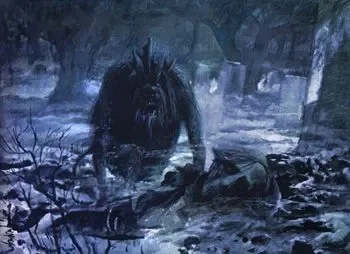
“Ghoul Feeding.”
And what a beauty the portrait is. Tim Wright was the artist responsible for all the paintings that hung by noose in the Night Gallery. And while many of his pieces act as fun foils or accents to the episodes, his portrait of the Ghoul Feeding for “Pickman’s Model” stands out as its own stark piece of horror. With artistry being such an important element to the story being told, Wright clearly understood the assignment and gave his all to this piece. In its misty midnight blues we can feel the New England chill rising up from the ground, the picture’s perspective instilling the viewer with the sense that they have stumbled upon something forbidden and have seen too much. It is a powerful expression of Lovecraft’s fictive attitudes towards the quest for knowledge, whether that be knowledge of the outer world or the topography of our own souls.
In the original story, Pickman is seen as a distant, grand figure, a Wilbur Whateley of the art world. There is a coldness to him that keeps him at bay from the sympathies of both the reader and the other characters. His vibe is that of the imperious sorcerer who dabbled in things he ought not have and got what was coming to him. Gratefully, Pickman is humanized more thoroughly in Alvin Sapinsley’s adaptation for Night Gallery. Indeed, the whole narrative is given a working-over and transformed from the drawing room testimonial of Lovecraft’s piece into a burgeoning rom-com that ends in a delicious episode of eldritch terror. As it should.
This facetious representation of the onscreen events is not so far-fetched as one may think. Pickman (played with low-key intensity by Bradford Dillman) is the target of amorous affections harbored by one of his students, Mavis Goldsmith (Louise Sorel). Their initial exchanges carry the ring of a traditional meet-cute, she the proper lady of good background drawn towards the flame of her tutor’s bohemian temperament. Witticisms are traded and feelings are confessed, but it’s apparent that there is a wide gulf between them that goes beyond social standing.
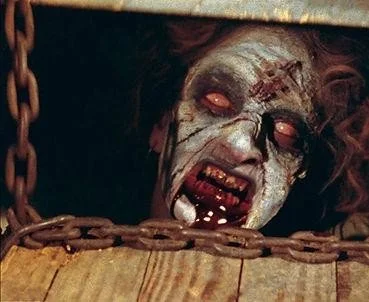
Pickman is the prototypical “project”; Mavis believes wholeheartedly that she can change him and bring him back into the fold of humanity. She quickly learns that she has her work cut out for her. The ghoulish creatures that have earned Pickman his infamy preoccupy not just his canvases, but his tortured mind as well. (And, we find out, for good reason.) In a wonderfully delivered monologue, Dillman pours out the fetid legends of the ghouls’ existence to a scandalized Sorel. Her shock mounts to full-blown terror when a visit to Pickman’s grotto in the North End turns into a visit with the future in-laws for the ages.
Serling himself would go on to dramatize Lovecraft’s “Cool Air” for the following episode, utilizing a similar romantic template as Sapinsley. But where “Cool Air” is quiet and funereal, “Pickman’s Model” allows itself to reach the bombastic heights of Lovecraft’s fiction. “Cool Air” ends with the fate of its main characters; “Pickman’s Model” sprawls onward in true Lovecraft fashion, proving that while our chapter may end here, the horror simply burrows back home, waiting for its time to rise again.
The episode’s modern-day prologue and epilogue solidify the theme. When last we see Pickman’s derelict studio, two art aficionados are eagerly searching the cellar for more undiscovered treasures. Unbeknownst to them, a living relic from the artist’s portfolio lies in wait. Or is it? The fate of Richard Upton Pickman is never fully determined. Have his bones been reclaimed by Old Boston, or have artist and subject finally become one as they were always destined? Perhaps it is he who waits inside the cellar for this final exhibition, ready to show the world his greatest masterpiece of all.
Article by Jose Cruz
Jose Cruz is an author and elementary school librarian. His journalism and short fiction have appeared in Rue Morgue, Dread Central, Nightmare Magazine, The Year's Best Hardcore Horror, and other venues. His writings on the intersections of librarianship, kidlit, and horror can be found on his Substack.

Other Articles You May Enjoy…
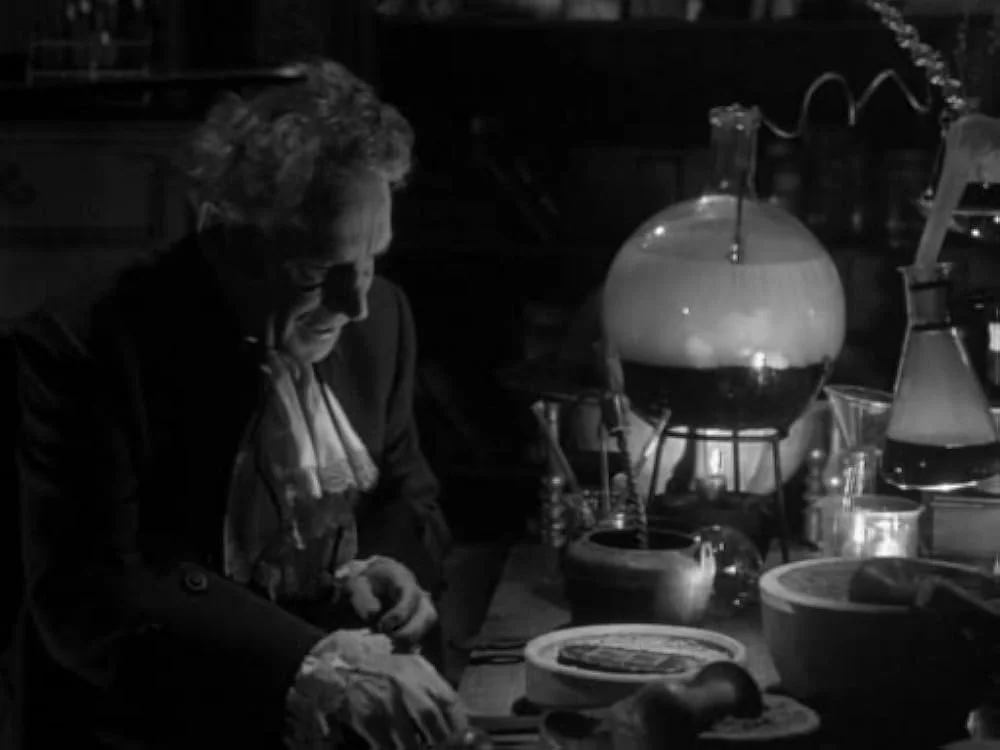
This column was created to give proper notice to the motion picture’s kith and kin: the television drama. Each installment, we’ll closely examine a stalwart story from the land of anthology horror. Why? Because as you’ll soon find out, they are all small, dark wonders unto themselves. This episode: Night Gallery’s “Pickman’s Model.”