
What Sleeps Beneath is an online magazine that explores the horror genre as one of the most important cultural vehicles of our time. It is a home for all horror-loving nerds, and a space to investigate what the genre tells us about ourselves. We write book and movie reviews, conduct interviews, and write original academic research.
Browse the full archive, or search for a specific article. Not sure where to start? Use the drop-down to browse by topic, format, or subgenre.
Archive
- B-Movies & Cult Classics
- Body Horror
- Books & Literature
- Classic Horror Films
- Cosmic Horror
- Cults & Religious Horror
- Essays
- Events
- Folk Horror
- Found Footage & Mockumentary
- Gendered & Queer Horror
- Ghosts & Hauntings
- Holiday Horror
- Independent Films
- International Horror
- Interviews
- Lists
- Possession & Exorcism
- Recipes
- Sci-Fi Horror
- Slashers
- Survival & Environmental Horror
- TV
- Thrillers
- True Crime
- Vampires
- Werewolves & Transformations
- Women in Horror
- Zombies
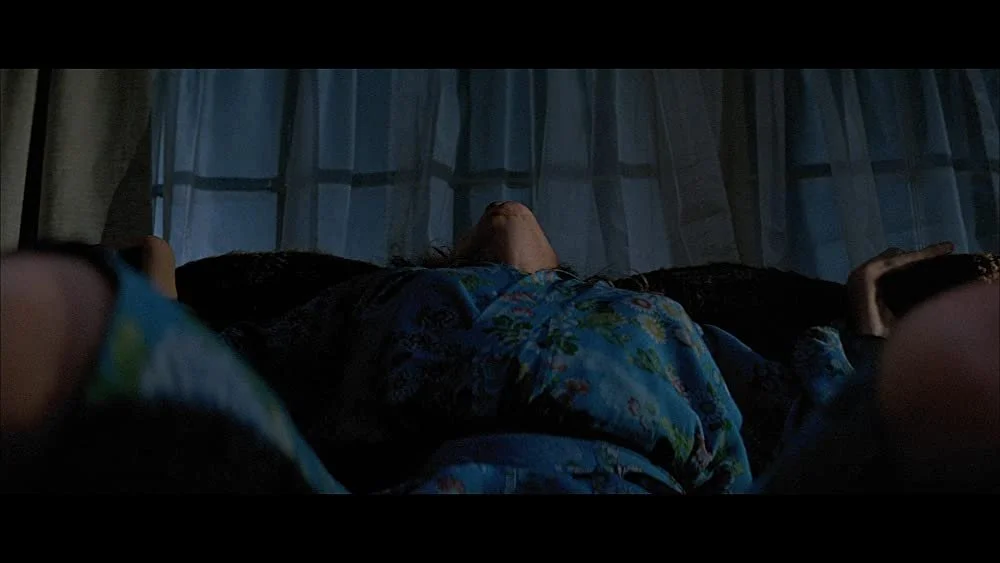
The Entity (1982): Psychiatry, Hysteria, and Women’s Healthcare
How the psychiatrists in The Entity represent the failings of the medical profession when it comes to women’s mental health.

Running Up That Hill: If Only Stranger Things’ Characters Could Beat Their Trauma
In Season 4 of Stranger Things characters dealing with mental illness and trauma are targeted and tortured by Vecna, leaving viewers to pick up the importance of getting help.

The Entity (1982): Trauma and the Transgression of Spirits
Sidney Furie’s film attracted a fair amount of attention—not least because this film, like The Amityville Horror before it, was based on a true, and well-documented, story.

Vampires & the Stigma of Mental Illness in ‘The Transfiguration’ and ‘Martin’
The Transfiguration stitches together a new vision of what it means to be a vampire in modern cinema. A lovechild between Let the Right One In, and the hidden ’70s gem, George A. Romero’s Martin, it effectively builds on the rich history of vampire films in the U.S. and maintains a sense of relevancy, without sacrificing its unique point of view.