What Sleeps Beneath is an online magazine that explores the horror genre as one of the most important cultural vehicles of our time. It is a home for all horror-loving nerds, and a space to investigate what the genre tells us about ourselves. We write book and movie reviews, conduct interviews, and write original academic research.
Browse the full archive, or search for a specific article. Not sure where to start? Use the drop-down to browse by topic, format, or subgenre.
Archive
- B-Movies & Cult Classics
- Body Horror
- Books & Literature
- Classic Horror Films
- Cults & Religious Horror
- Essays
- Events
- Folk Horror
- Found Footage & Mockumentary
- Gendered & Queer Horror
- Ghosts & Hauntings
- Holiday Horror
- Independent Films
- International Horror
- Interviews
- Lists
- Possession & Exorcism
- Recipes
- Sci-Fi Horror
- Slashers
- Survival & Environmental Horror
- TV
- Thrillers
- True Crime
- Vampires
- Werewolves & Transformations
- Women in Horror
- Zombies
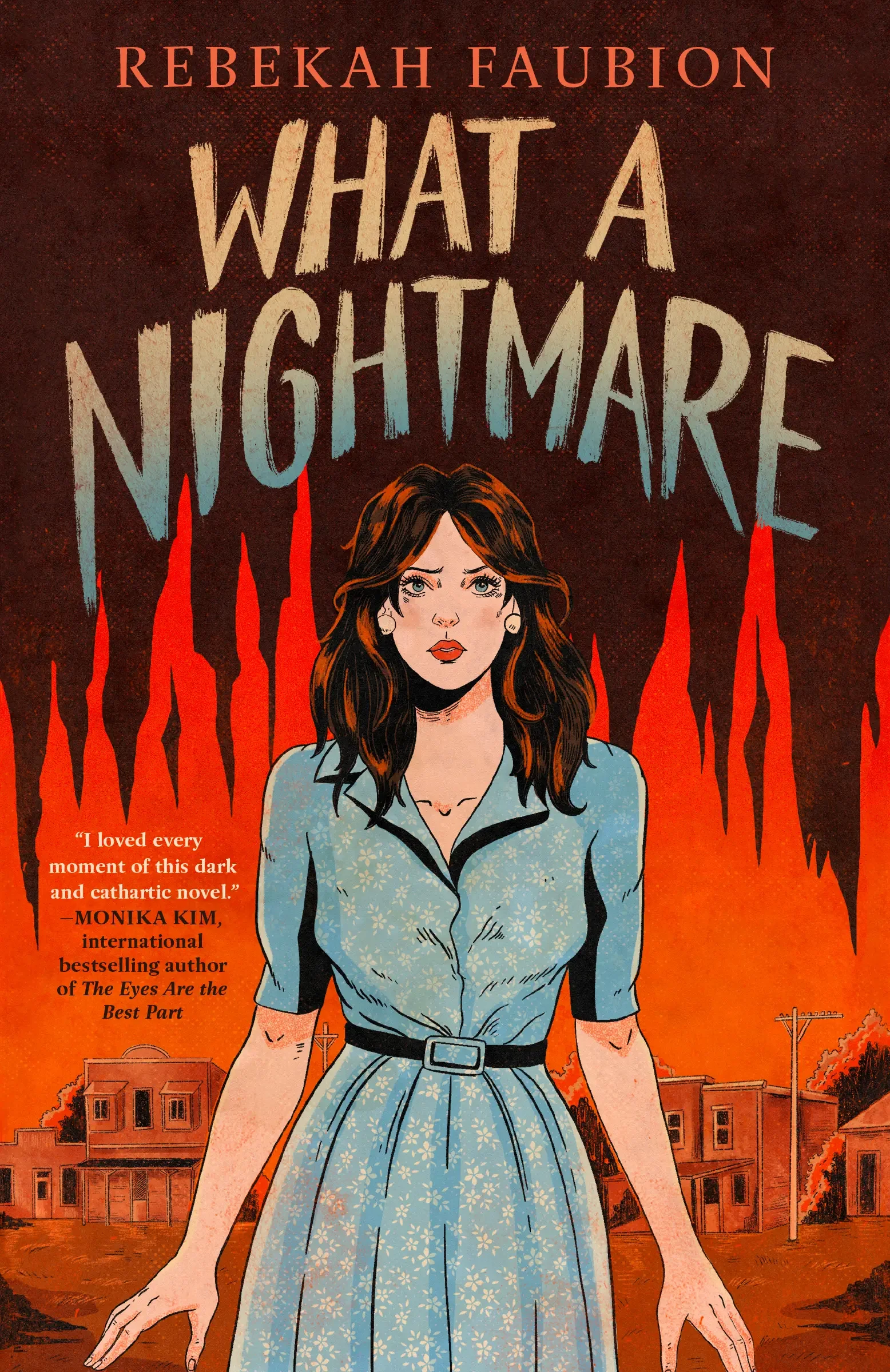
Good for Her . . . and Then What?: ‘What a Nightmare’
Rebekah Faubion’s adult horror debut delivers the bloodshed promised by its “good for her” premise, then asks whether justified anger can become permission to control and punish. Its inherited-trauma metaphor is stronger than its softened final reckoning, but that moral tension gives the revenge story weight.
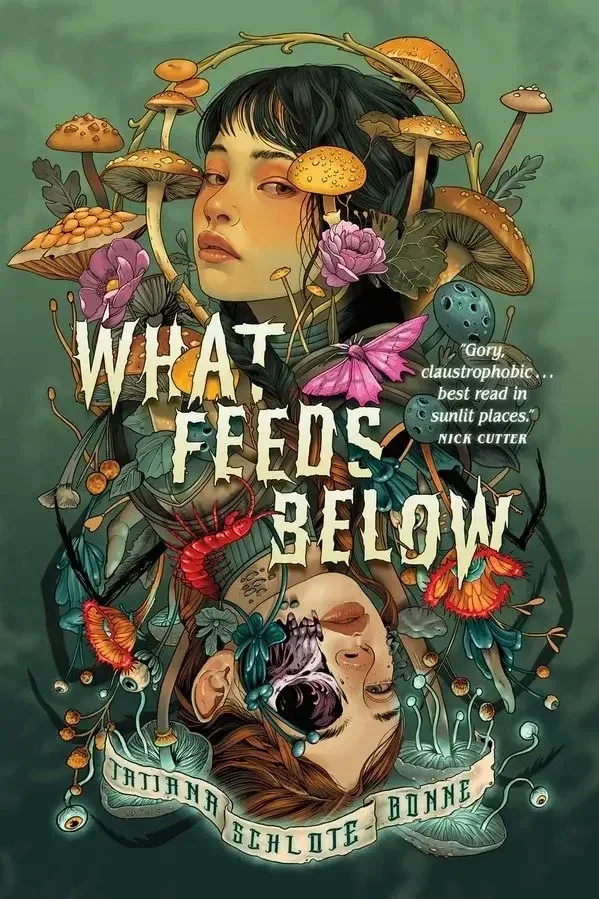
The Girl Who Wants to Take It Home: ‘What Feeds Below’
Petra finds a carnivorous plant and immediately starts thinking about medicine. I was mostly wondering how long it would take the thing to digest a person. Tatiana Schlote-Bonne builds What Feeds Below inside that gap. Her narrator is surrounded by organisms that eat, infect and rebuild human bodies, and she keeps wanting to get closer.
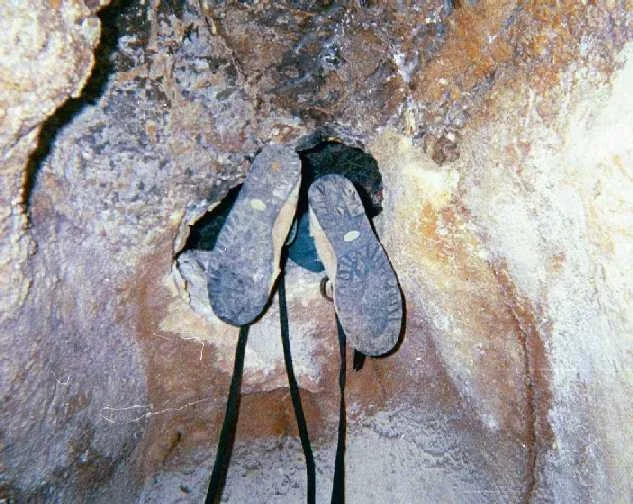
What Is Creepypasta? Six Stories to Start With
Thomas Ligotti wrote that “the highest aim of the realistic horror writer is to prove, in realistic terms, that the unreal is real”. Nowhere is this sentiment embodied so well as in internet horror fiction, colloquially known as creepypasta (a name riffing on the act of copy and pasting stories across multiple forums i.e. copypasta, and homage to the genre’s collaborative storytelling roots).
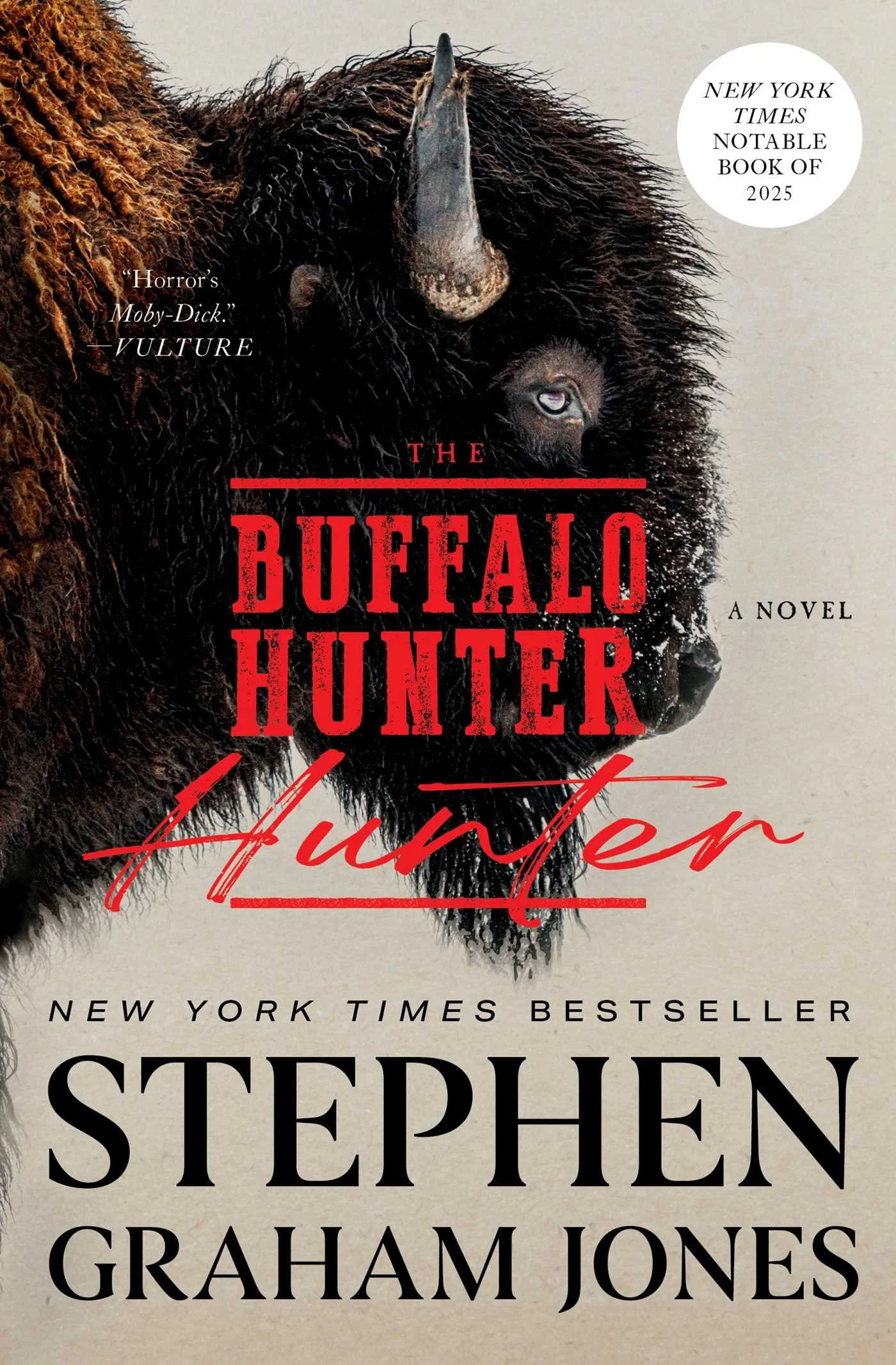
‘The Buffalo Hunter Hunter’: Vampires, Colonial Violence, and Who Gets to Tell the Story
In The Buffalo Hunter Hunter, blood carries the violence of colonialism, while a settler’s journal controls whose story survives. This essay examines how Stephen Graham Jones uses vampirism and layered testimony to confront historical erasure.
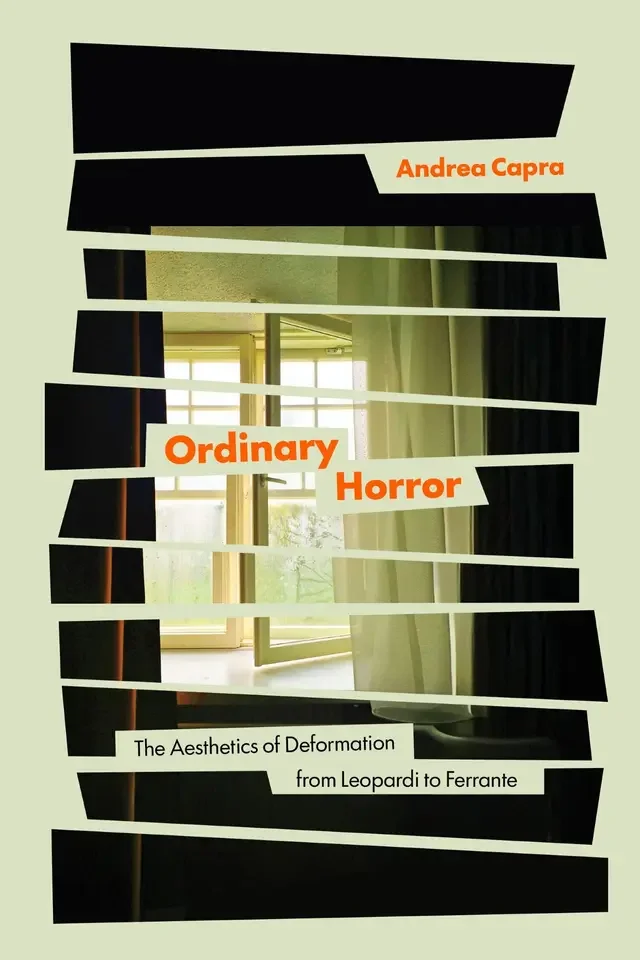
‘Ordinary Horror’ Review: Finding Horror in Italian Literature
Through a blend of horror studies, philosophical analysis, and aesthetics, Ordinary Horror: The Aesthetics of Deformation from Leopardi to Ferrante by NYU professor of Italian studies Andrea Capra explores undiscussed nuances in contemporary and canonical Italian literature alike.
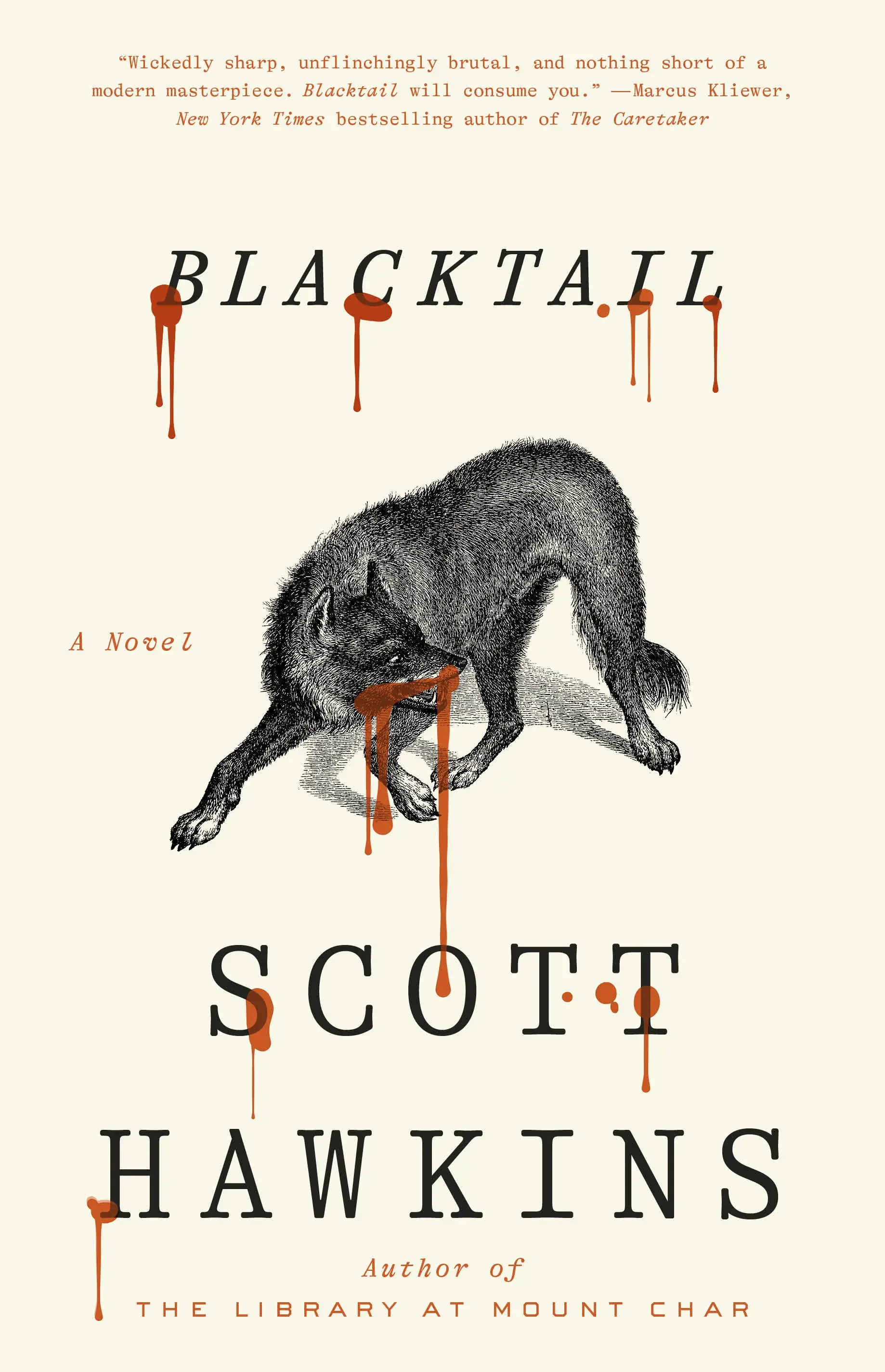
‘Blacktail’ Is a Revenge Story That Refuses to Let You Enjoy It
Revenge asks very little of the reader. Establish a wound. Point the wounded party toward whoever made it. We handle the rest quickly because the arithmetic feels good, and we have been practicing it since we were old enough to be treated unfairly. Scott Hawkins gives you that arithmetic early in Blacktail, then spends the rest of the book taking the calculator apart on the table in front of you.
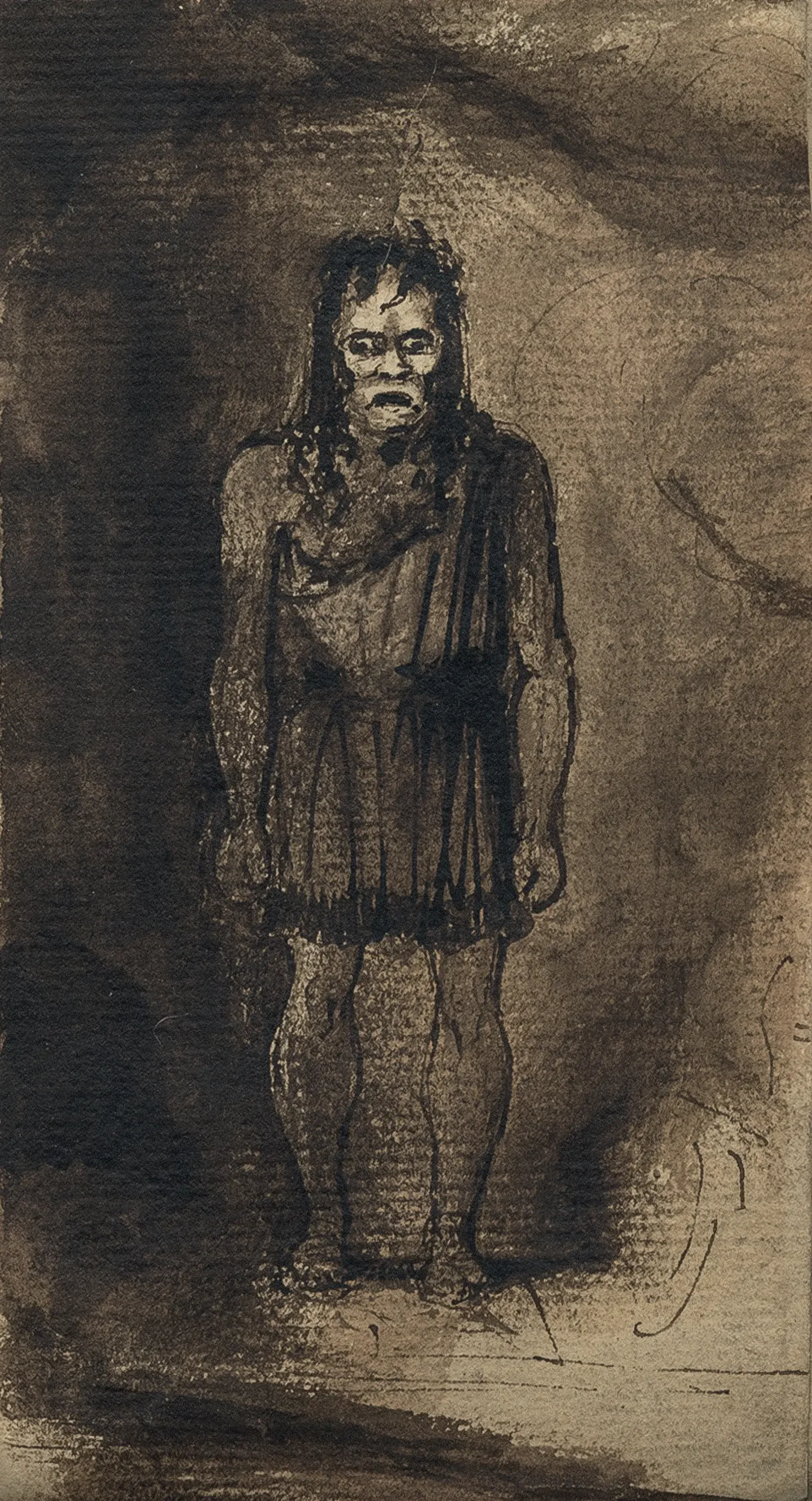
We Are the Other: Embracing Transgender Monstrosity in Horror Literature
The experience of being trans, of realizing one’s identity is not what it was declared at birth and undergoing a social or medical transition, unquestionably alters how a person views the world around them. Stryker’s focus on transgender rage is one example of how scholars address the hardships of trans life, but there are also positive aspects of transness to be explored using this same metaphor. The transcendence of boundaries features heavily in the expression of trans monstrosity.
![[Book Review] ‘Lucky Day’ by Chuck Tingle](https://images.squarespace-cdn.com/content/v1/5d3e481bc5a6e40001b215a8/e8575a10-be74-4271-a16d-82f382a697de/lucky-day-cover.jpeg)
[Book Review] ‘Lucky Day’ by Chuck Tingle
Vera Norrie’s life is going swimmingly. She’s respected at work (where she’s the youngest statistics professor in school history), has a supportive group of friends, and is getting engaged to the love of her life—her girlfriend Annie.
Then, on May 23rd, a day that would come to be known as the Low Probability Event, or LPE, nearly eight million people are killed in a vast, worldwide series of improbable freak accidents. One of the victims is Vera’s mother.
![[Book Review] The History of Transgressive Canonical Horror in ‘Infernas’](https://images.squarespace-cdn.com/content/v1/5d3e481bc5a6e40001b215a8/1780334508834-FPWJNG55Y5B961VWDIV2/infernas.webp)
[Book Review] The History of Transgressive Canonical Horror in ‘Infernas’
West Ambrose’s verse novel glosses over the original Inferno with the wordplay in its title, proposing Infernas as "a place or condition suggestive of hell...a conflagration [and]...the lower parts of the body, the abdomen". In this respect, Ambrose recontextualizes the original Divine Comedy as a site of body horror as well as psychological anguish.
![[Book Review] ‘Women’s Weird 2’ from Handheld Press](https://images.squarespace-cdn.com/content/v1/5d3e481bc5a6e40001b215a8/1603651527264-WJM6E7YN6ZH9DCJADIUJ/HP_Womens_Weird2_Jan2020-500x800.jpg)
[Book Review] ‘Women’s Weird 2’ from Handheld Press
From solidly Weird tales of ghostly hauntings and unseen things to more subtle stories of lost children and malevolent housekeeping, Women’s Weird contained a vast range of subjects reflected through the lens of female experience.
![[Book Review] ‘New Blood: Critical Approaches to Contemporary Horror’ (2021)](https://images.squarespace-cdn.com/content/v1/5d3e481bc5a6e40001b215a8/1771939414929-RYHRUZYSVD519FZITQQ1/9781786836342.jpg)
[Book Review] ‘New Blood: Critical Approaches to Contemporary Horror’ (2021)
One of the things I like most about horror is its range. Horror can be represented across the full spectrum of media and found lurking within even apparently-conflicting genres. I look back over the past few years and think beyond the obvious horror-homes of film and TV to examples like Tom Wright’s harrowing stage adaptation of Picnic at Hanging Rock, the haunting and hauntological sci-fi horror art books of Simon Stålenhag or even Cryo Chamber’s ever-expanding discography of sinister, abyssal dark ambient.
![[Book Review] ‘Crawling Horror: Creeping Tales of the Insect Weird’](https://images.squarespace-cdn.com/content/v1/5d3e481bc5a6e40001b215a8/1766154499255-F0L1IWN8LNDPWPCMZTTL/9780712353496.jpg)
[Book Review] ‘Crawling Horror: Creeping Tales of the Insect Weird’
To any external observer, some indifferent alien surveyor, it would be the insects who rule the planet known as Earth. They fill the gamut of ecological niches, from lowly grazer to apex predator. They’ve developed agriculture and architecture as well as less visible, but no less complex, social structures. They outnumber the planet’s dominant mammalian species, an amusingly recent development in its bio-history, by a factor of nearly 1.5 billion to one.
![[Book Review] ‘Celtic Weird: Tales of Wicked Folklore and Dark Mythology’](https://images.squarespace-cdn.com/content/v1/5d3e481bc5a6e40001b215a8/1762547621282-28FMCLLSW6M2PZE2LY8W/celtic-weird.jpg)
[Book Review] ‘Celtic Weird: Tales of Wicked Folklore and Dark Mythology’
The Celtic tradition of storytelling, shared characters and plots rising and falling depending on the teller’s whim, is more akin to a churning cauldron of narrative than a formal, indexed (some may say less exciting) library. And all this before we’ve even tackled what we mean by Weird…
![[Book Review] ‘The House of Silence; Ghost Stories, 1887–1920’](https://images.squarespace-cdn.com/content/v1/5d3e481bc5a6e40001b215a8/f7984d21-7a65-4f97-a0a2-8e9d66d2d79c/house+of+silence.jpg)
[Book Review] ‘The House of Silence; Ghost Stories, 1887–1920’
“They talk about death being cold. It’s life that’s the cold thing.”
If it were possible to sum up Edith Nesbit’s horror fiction in a single line then this quote from one of her final tales would be as good an attempt as any. As Melissa Edmundson tells us in her introduction “[Nesbit’s] characters are always hiding something … whether it be a disappointment, a regret, a fear, a screen, or a crime.” The gaps these acts of hiding create become, inevitably, filled with the chill of ghosts but Nesbit’s unexpected statement that life, not death, is cold also indicates some of the contradictions at the heart of her own life.
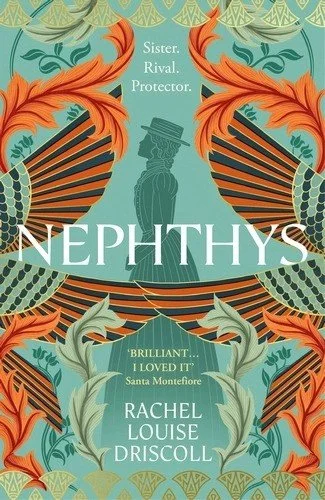
The Mummy's Curse: Novels that Revive the Victorian Egyptology Craze
Novels about art works, and novels about archaeology, have something of the ghost story in them. The Final Act of Juliette Willoughby, by Ellery Lloyd, and Nephthys, by Rachel Louise Driscoll revive the long-standing trope of the mummy’s curse.
![[Book Review] ‘Women’s Weird: Strange Stories by Women, 1890–1940’](https://images.squarespace-cdn.com/content/v1/5d3e481bc5a6e40001b215a8/1758024973656-XMK1PAOAUXD8FWV06A2T/women%25252527s%25252Bweird.jpg)
[Book Review] ‘Women’s Weird: Strange Stories by Women, 1890–1940’
Think of weird fiction and, probably without even realizing it, you will think of one thing: men. Whether it’s H. P. Lovecraft’s tentacled monstrosities, the decadent necromancies of Clark Ashton Smith or Algernon Blackwood’s eerie eco-horror, the canon of weird fiction, like many human endeavors, is dominated by male practitioners.
![[Book Review] ‘Weird Sisters; Tales From The Queens of the Pulp Era’](https://images.squarespace-cdn.com/content/v1/5d3e481bc5a6e40001b215a8/4e4560c5-14ba-4be4-8742-d326d8af012d/weird-sisters-cover.jpg)
[Book Review] ‘Weird Sisters; Tales From The Queens of the Pulp Era’
[…] with Weird Sisters, Ashley once again delves into that class of weird tale which, despite their narrative power, have often been unfairly overlooked purely because their authors happened to be women. Overlooked, it has to be clarified, especially in the sense of being writers of weird fiction.

Vigilance Theater Presents: Mac Beth
Vigilance Theater Group presents Mac Beth, adapted by Erica Schmidt and directed by Ingrid Sonnichsen in a modern, immersive Shakespeare experience.

Upcoming Horror From Women Authors, Part III
In celebration of Women in Horror Month, here is part three of a list of new and upcoming works of horror fiction to get excited about, written by women authors.
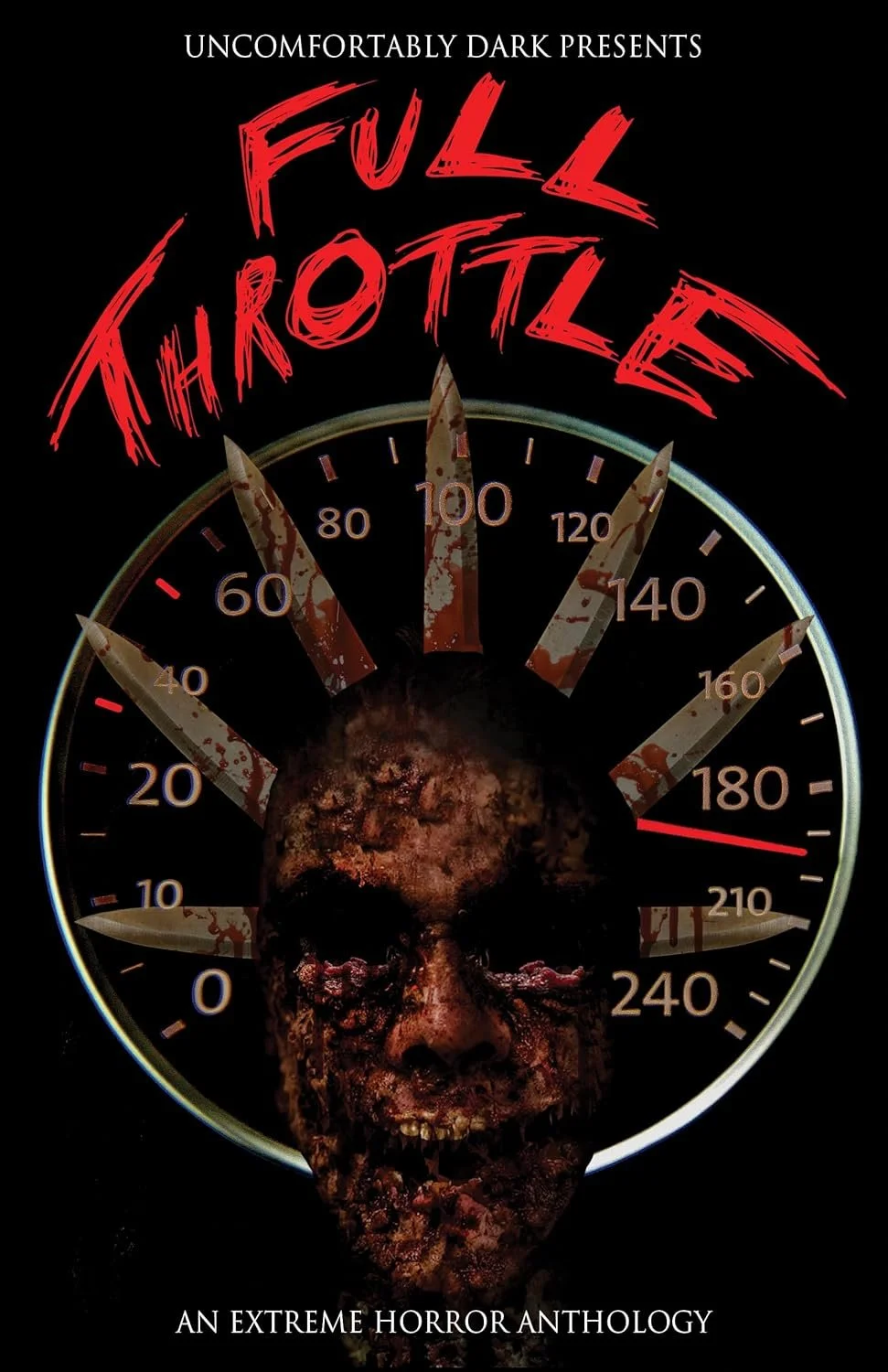
Upcoming Horror From Women Authors, Part II
In celebration of Women in Horror Month, here is part two of a list of new and upcoming works of horror fiction to get excited about, written by women authors.