
What Sleeps Beneath is an online magazine that explores the horror genre as one of the most important cultural vehicles of our time. It is a home for all horror-loving nerds, and a space to investigate what the genre tells us about ourselves. We write book and movie reviews, conduct interviews, and write original academic research.
Browse the full archive, or search for a specific article. Not sure where to start? Use the drop-down to browse by topic, format, or subgenre.
Archive
- B-Movies & Cult Classics
- Body Horror
- Books & Literature
- Classic Horror Films
- Cults & Religious Horror
- Essays
- Events
- Folk Horror
- Found Footage & Mockumentary
- Gendered & Queer Horror
- Ghosts & Hauntings
- Holiday Horror
- Independent Films
- International Horror
- Interviews
- Lists
- Possession & Exorcism
- Recipes
- Sci-Fi Horror
- Slashers
- Survival & Environmental Horror
- TV
- Thrillers
- True Crime
- Vampires
- Werewolves & Transformations
- Women in Horror
- Zombies
‘V/H/S/Mixtape’ Review: Horror Finds a New Frequency
GWAR hosts a chaotic mixtape of murderous puppets, cosmic terror, and weaponized silence. The latest V/H/S finds fresh inspiration in the horror of sound.
‘Infirmary’ Finds Terror in the Security Feed
Nicholas Pineda’s Infirmary starts quietly. There is, of course, the almost obligatory disclaimer at the front that identifies the footage we’re about to see as wholly true and part of an ongoing investigation, but that’s not the unsettling part.
![“Don’t Go in the Water”: Jennifer Van Gessel’s ‘Water Horse’ [Movie Review]](https://images.squarespace-cdn.com/content/v1/5d3e481bc5a6e40001b215a8/c8fc4742-1c98-46fc-bd57-db70f7556053/water-horse.jpg)
“Don’t Go in the Water”: Jennifer Van Gessel’s ‘Water Horse’ [Movie Review]
If you want to sell me on a movie, you’ve got plenty of options. Folk horror, for sure, will get my attention, but mentioning a mythological creature or two will have me listening closely. Make that movie found footage, and suddenly, I’m leaning forward in my seat. Then I found out that the film comes from Australia—the country that has some of the bleakest, most unique, and culturally rich horror stories we’ve seen in decades—well, then there’s no question: It’s a must-see for me.

Adrian Țofei: Director of ‘We Put the World to Sleep’ and ‘Be My Cat: A Film for Anne’
Continuing our discussion with filmmaker Adrian Țofei, we look at his upcoming feature, We Put the World to Sleep and the toll it takes to live in character, even only partially, for years.
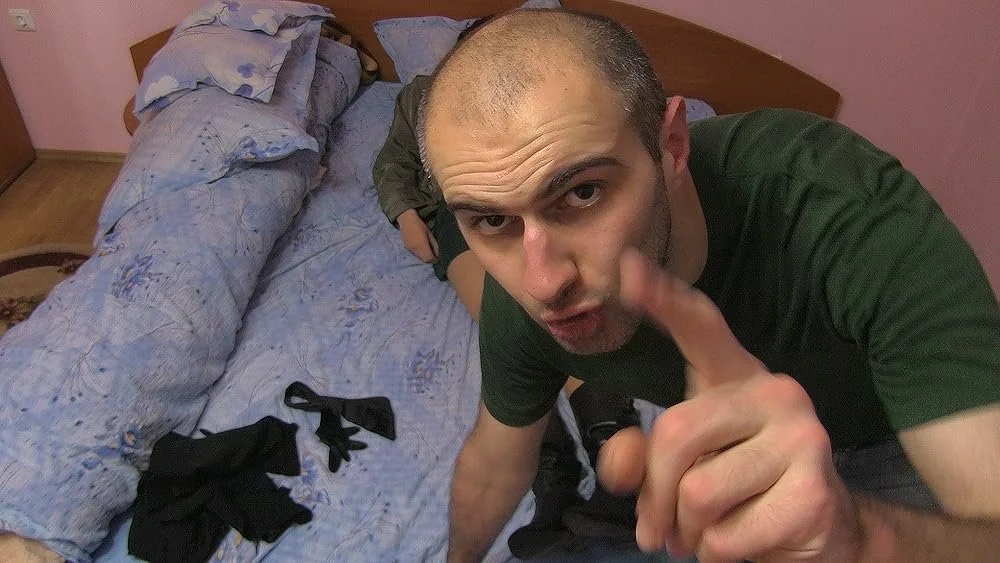
An Interview with Adrian Țofei, Director of ‘Be My Cat: A Film for Anne’
To celebrate its 10-year anniversary, I sat down with the director and star of Be My Cat: A Film for Anne, Adrian Țofei, to talk about his approach to filmmaking, what makes found footage work, and misconceptions people sometimes have about the genre.
‘Gonjiam: Haunted Asylum’ Showcases Exactly How to Utilize Modern Tech in Horror
Released in 2018, Gonjiam: Haunted Asylum is one of the hidden gems of modern horror. Created by Jung Bum-shik of the Korea Republic, the premise of the film is found footage. However, the way it plays out after the introduction is very much in the moment, with the cameras on the characters used as a way to show different perspectives and areas of the asylum.
![Dagr (2024) - [Movie Review]](https://images.squarespace-cdn.com/content/v1/5d3e481bc5a6e40001b215a8/1716638218491-46OJPZ9O4I82I4E65OQT/Dagr00.jpeg)
Dagr (2024) - [Movie Review]
Decades after the debut of The Blair Witch Project, found footage horror is still alive and well with the newly released film Dagr.
![[CFF 2023] Review: Mind Body Spirit](https://images.squarespace-cdn.com/content/v1/5d3e481bc5a6e40001b215a8/4277e6ab-762c-4d01-ab18-fe37adba672c/Mind+Body+Spirit_wheel+poster_v3+%281%29.jpg)
[CFF 2023] Review: Mind Body Spirit
Finally, audiences will get to see the dark art of yoga for what it truly is. Coming into Chattanooga Film Festival, Mind Body Spirit, a found footage-style horror film about a hopeful yoga influencer, was one of the higher profile draws featured in the festival’s lineup.
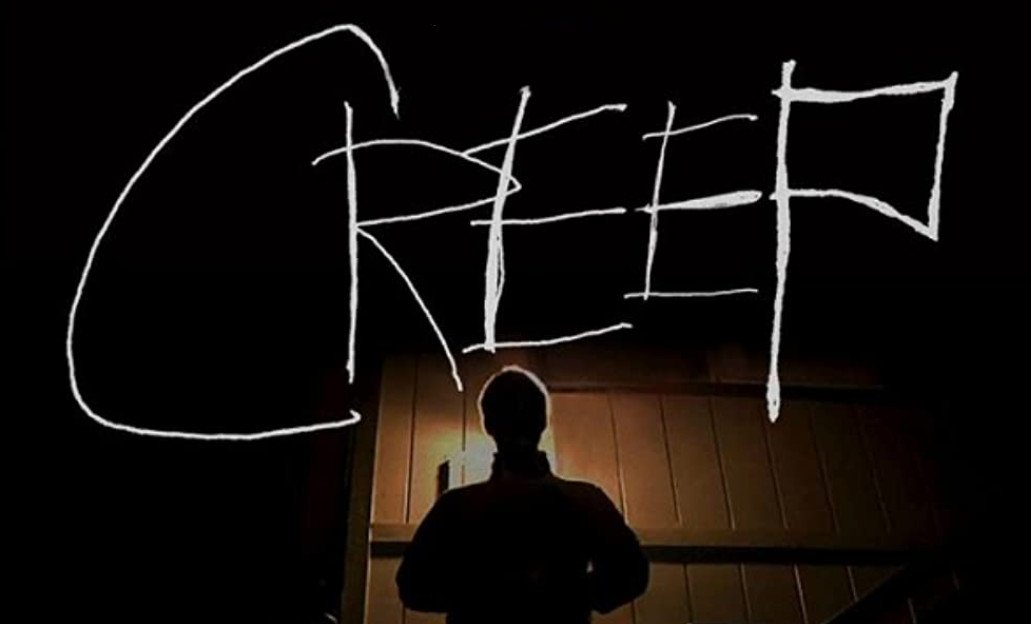
Writing a Scene Analysis: Creep (2014)
Writing a scene analysis can be a great step toward forming a broader thesis when discussing a film. Using Creep (2014) as an example, this article analyzes the opening scene and shows how it can be used to guide a deeper look into the film.

Ryan Imhoff's "Stranger" Haunts a Zoom Reunion in ‘Fresh Hell’
Fresh Hell (2022), directed by Matt Neal and Ryan Imhoff, is the latest in post-pandemic found footage horror films centering around Zoom meetings, and for its part, has no problem identifying itself as a product of the lockdowns, explicitly citing the virus and the unrest it caused in the opening scene.

The Hauntological in ‘Lake Mungo’
Tragic, haunting, and immersive, Joel Anderson’s 2008 masterpiece Lake Mungo is one of the finest pieces of ghost storytelling in recent history, literalizing Jacques Derrida’s concept of hauntology, or the persistence of an element of the past.

Review: Ghostwatch (1992)
Celebrating halfway to Halloween with Ghostwatch, the 1992 reality-horror, mockumentary-style film is one of the well-remembered examples of found footage, though it was taken from the air after its first showing.

“Come Outside and Play”: Our Top Horror Picks for Springtime
Reignite your fear of the great outdoors with our list of recommended horror movies that celebrate the dark side of spring.

Dissecting a Serial Killer: The ‘Creep’ Franchise
The Creep duology is a carefully crafted combination that makes for a micro-budget psychological slasher we didn’t know we needed, but are so grateful to have.