
[Movie Review] Avalon Fast’s “CAMP” is the Latest in the New Wave of Transgressive Filmmaking
I’ve only just been introduced to the work of Canadian filmmaker Avalon Fast having seen them co-star in Alice Maio Mackay’s The Serpent’s Skin, but before the opening credits (in gorgeous Super 8) even wrap on CAMP—Fast’s second feature film that opens in select theaters this weekend—you already get the sense that you’re watching something special.
The knee-jerk synopsis you’re likely to hear most frequently for CAMP is a dreamy, mumblecore version of The Craft. And honestly, that’s a fair place to start. Like that ’90s classic, CAMP does center on a group of teen girls who form a coven, of sorts, and their magic does have real manifestation. Unlike The Craft, though, CAMP doesn’t really have a Fairuza Balk type character that drives a movie-defining wedge into the sisters, CAMP’s coven is one of empowerment and support—for better or worse.
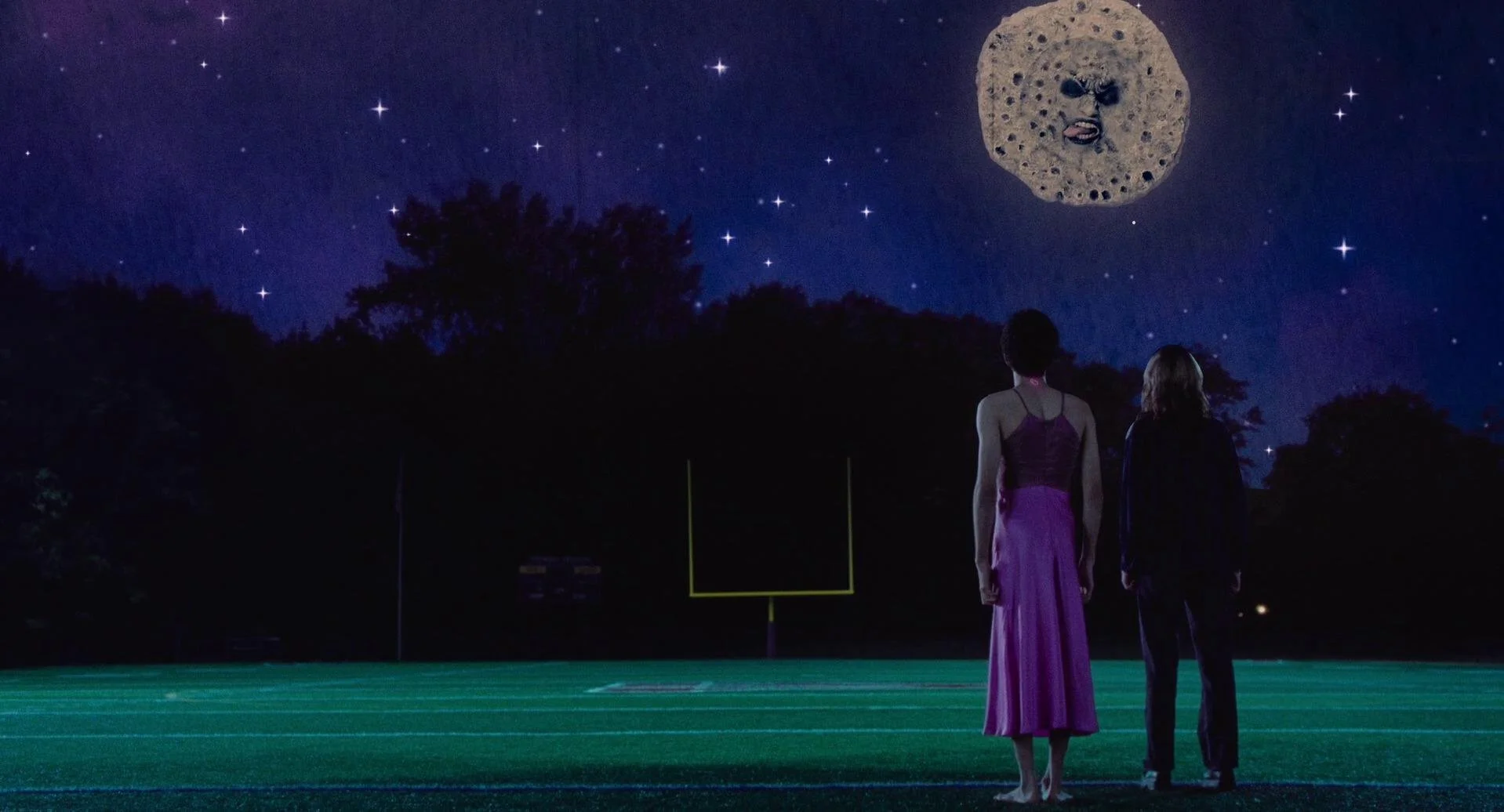
The counselors participate in a rite in CAMP (2026).
The film focuses on Emily (Zola Grimmer) who, having endured more than her share of traumatizing events, goes at her dad’s recommendation to work as a counselor at a camp for “damaged kids.” On her way, she realizes with trepidation that “Camp”—a fitting name if I’ve ever heard one—might be a church camp. Nevertheless, one of her first interactions when she arrives is with Rosie (Cherry Moore), her fellow counselor and bunkmate, who assures her that Camp’s Christ-centered façade does little to ward off the nighttime debauchery of her friends, all of whom are former campers themselves.
Rosie introduces Emily to her co-coveners in the dining hall, all of whom bear names that one could interpret as having witchy vibes: Clara (Alice Wordsworth), which can mean clear, bright, or clairvoyant; Nev (Lea Rose Sebastianis), which also means bright or radiant, if taken from the Irish root; and Hope (Ella Reece), whose name, I think, is fairly self-evident. The girls have a tight camaraderie between them, but they welcome Emily into their fold without any friction. The film is completely uninterested in having the epicenter of conflict come from inside the circle.
CAMP is the latest in Fast’s growing collection of self-described “Girl Horror,” a genre that focuses, not on its characters’ feminine rage or trauma, but on community and the forging of their own paths, unencumbered by the structures set in place for them. In their first feature, Honeycomb, the characters founded a Lord of the Flies style cult with an eye-for-an-eye system of justice. But here, the women use sacrifice, both figurative and literal, to empower themselves. What strikes me most about Girl Horror, though, is how universal it feels. These are stories about coming of age in a deeply uncertain time and, while they happen to center on girls and the generally horrifying experience of growing up female, they don’t use particularly outlandish or over-the-top scenarios and metaphors for characters to navigate—their horrors feel real and lived in a way that makes them relatable, girl or otherwise. CAMP is sapphic—one of the most sapphic films I’ve seen all year, actually—but not in the way that people ordinarily mean when they use the word.
One interesting example of that is in CAMP’s setting. While Camp is technically a “God Camp,” as Emily calls it, the only character who seems to even be trying to center the campers’ experience around God or religion is Dan (Austyn Van de Kamp), the camp director. And even to the extent that Dan does that, he’s far from being represented as the charismatic and zealous religious leaders that are more common in horror (see last week’s release of Leviticus, for instance). Rather than go to the extremes that zealotry can lead to, which we are seeing with frightening regularity in the real world, Fast mutes it, diminishing the influence the camp’s owners intend to have over its residents in a fascinating way. In fact, Dan’s faith seems to be more neutering than it is empowering, a trait that extends to the other male characters, as well. Patriarchy isn’t so much an enemy in CAMP as it is an inconvenience for the girls to exist around.
Ophelia (1851–1852) by John Everett Millais, Public Domain.
The attitude is reinforced over and over again through the rich visual language of the film. It’s impossible to miss the reference to Sir John Everett Millais’s Ophelia, as Emily finds another counselor, Jo (Sophie Bawks-Smith), floating in the pond. But after watching the film a second time, more nods to Pre-Raphaelite aesthetics began popping out. Whether it’s the ethereal glow of an angel or the female-centric communion in a sylvan clearing (pictured above), Fast (and cinematographer Eily Sprungman) consistently evoke the nature-loving reverence to women that the Pre-Raphaelites preached.
Perhaps what I love most about CAMP, however, is how little regard it gives for casting judgment on its characters. None of the counselors could be described as good, per se, but nor would I be willing to call any of them evil, either. The film has no interest at all in weighing morality from one character to the next. Even Dan refrains from any talk about morality, focusing instead on the fellowship inherent in the summer camp experience—a fellowship that the girls find, even if it’s not what Dan has in mind.
We are living in an increasingly exciting time for horror. But while so much attention has been Hollywood’s and audience’s acceptance of young YouTubers, I am so much more excited for the developing “new guard” of queer filmmaking. With the collaborations between Fast, Mackay, Schoenbrun, and more, we are getting to watch a new movement in transgressive cinema develop in real time, and CAMP is a film that embodies the tenets of this movement; mind, body, and soul.
Article by Ande Thomas
Ande loves the intersection of sci-fi and horror, where our understanding of the natural world clashes with our fear of the new and unknown. He is an independent member of the Society for Cinema and Media Studies and a supporting member of the Horror Writers Association. He writes about monsters and foreign horror and can also be found over on Letterboxd.
Other Articles You May Enjoy…
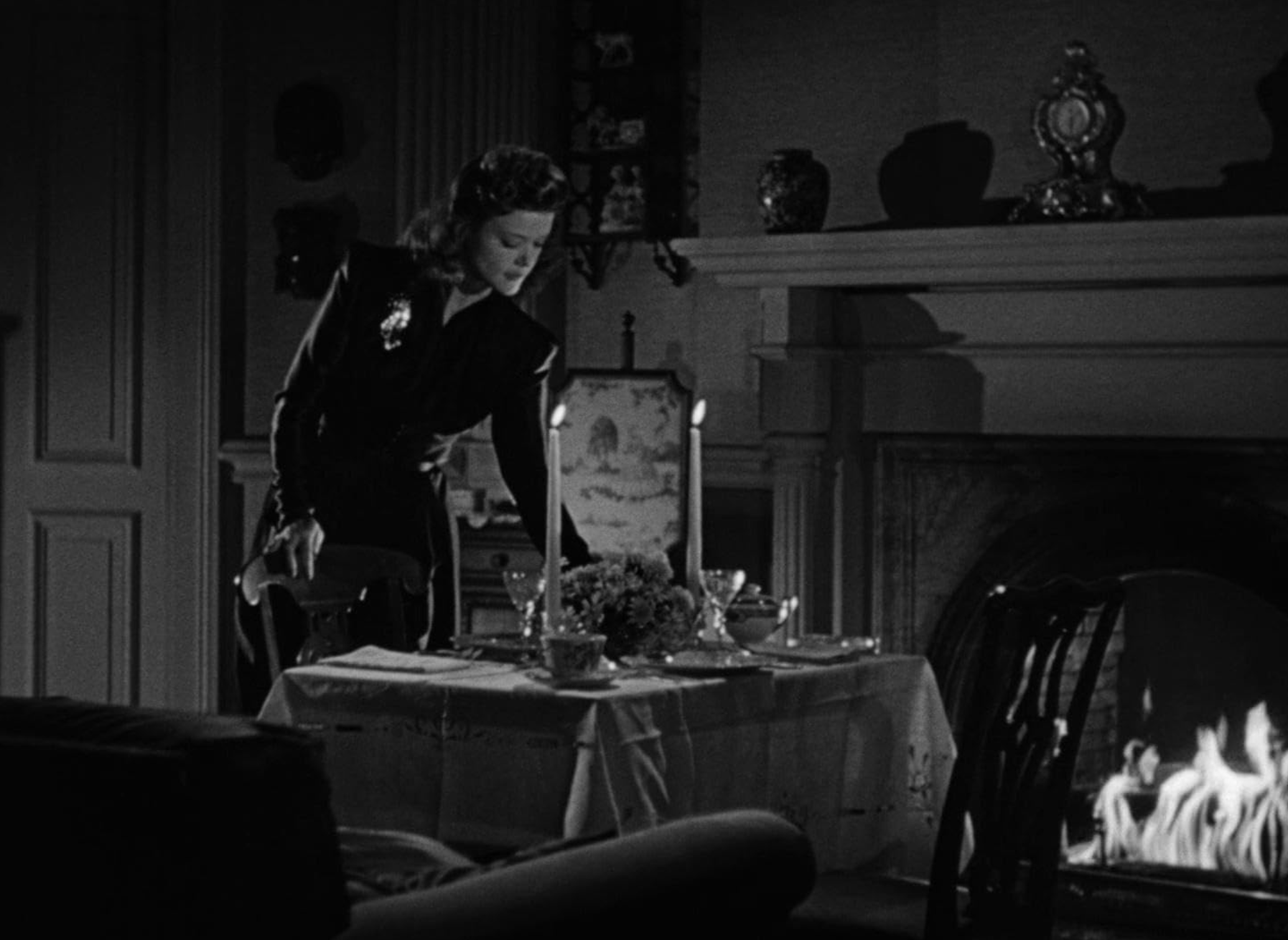
![[Movie Review] Avalon Fast’s “CAMP” is the Latest in the New Wave of Transgressive Filmmaking](https://images.squarespace-cdn.com/content/v1/5d3e481bc5a6e40001b215a8/1782401219629-WQRPE1S2P04BE4SNHMJ2/mPAUB3_Q.jpeg)
Are you tired of searching for works that describe transgender experiences accurately, let alone with complexity or compelling messiness? Want to read some horror stories that were written by and/or for trans people? Curious about this newfangled term “trans horror” and wondering where to start? Hopefully, this brief primer will be useful to you.