
What Sleeps Beneath is an online magazine that explores the horror genre as one of the most important cultural vehicles of our time. It is a home for all horror-loving nerds, and a space to investigate what the genre tells us about ourselves. We write book and movie reviews, conduct interviews, and write original academic research.
Browse the full archive, or search for a specific article. Not sure where to start? Use the drop-down to browse by topic, format, or subgenre.
Archive
- B-Movies & Cult Classics
- Body Horror
- Books & Literature
- Classic Horror Films
- Cults & Religious Horror
- Essays
- Events
- Folk Horror
- Found Footage & Mockumentary
- Gendered & Queer Horror
- Ghosts & Hauntings
- Holiday Horror
- Independent Films
- International Horror
- Interviews
- Lists
- Possession & Exorcism
- Recipes
- Sci-Fi Horror
- Slashers
- Survival & Environmental Horror
- TV
- Thrillers
- True Crime
- Vampires
- Werewolves & Transformations
- Women in Horror
- Zombies

Pet Sematary: Looking at Grief through a Paranormal Lens
A timely & thoughtful look at the 2019 Pet Sematary.
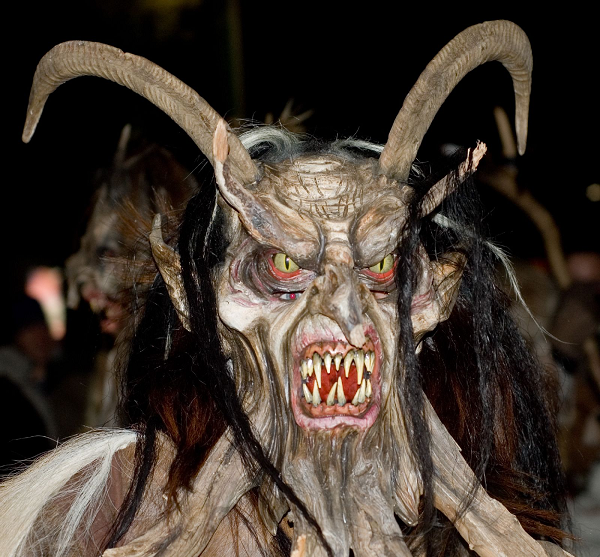
Merry Creepmas! Figures from Folklore to Keep Your Christmas Creepy
If you’re like me at all, Halloween is your favorite holiday, and by the time Christmas rolls around, you’re more than a little tired of what feels like the same 10 holiday songs on repeat.

A Flowering of Hellebore: An Interview with Founding Editor Maria Pérez Cuervo
I recently had the chance to talk with magazine founding editor Maria Pérez Cuervo about what inspired the creation of [Hellebore] magazine, plans for the future, and how folk horror inspires her.

A resurgence of Folk-Horror - Round Table Discussion of “Midsommar”
Largely billed as horror that takes place in broad daylight, Midsommar was director and screenwriter Ari Aster’s first heavy-hitting film following Hereditary. In this collaborative review, we hear from all three founding writers on their perspectives in the resurgence of folk-horror.
![Hagazussa: A Heathen’s Curse (2017) [Movie Review]](https://images.squarespace-cdn.com/content/v1/5d3e481bc5a6e40001b215a8/1567898646469-DKM655T9WNEAYFJIZRTG/hagazussa2.jpg)
Hagazussa: A Heathen’s Curse (2017) [Movie Review]
The four-act structure and the subsequent slide of one woman, living alone, into the relentlessly grinding maw of social expectations, culture, and the Old High German titular “witch” (Hagazussa) concept was a deeply moving joy.