What Sleeps Beneath is an online magazine that explores the horror genre as one of the most important cultural vehicles of our time. It is a home for all horror-loving nerds, and a space to investigate what the genre tells us about ourselves. We write book and movie reviews, conduct interviews, and write original academic research.
Browse the full archive, or search for a specific article. Not sure where to start? Use the drop-down to browse by topic, format, or subgenre.
Archive
- B-Movies & Cult Classics
- Body Horror
- Books & Literature
- Classic Horror Films
- Cosmic Horror
- Cults & Religious Horror
- Essays
- Events
- Folk Horror
- Found Footage & Mockumentary
- Gendered & Queer Horror
- Ghosts & Hauntings
- Holiday Horror
- Independent Films
- International Horror
- Interviews
- Lists
- Possession & Exorcism
- Recipes
- Sci-Fi Horror
- Slashers
- Survival & Environmental Horror
- TV
- Thrillers
- True Crime
- Vampires
- Werewolves & Transformations
- Women in Horror
- Zombies

Screamin’ in the Rain: The Orchestration of Catharsis in William Castle’s ‘The Tingler’
How can The Tingler—a post-atomic horror film about a lobster-like creature that manifests on your spine whenever you are afraid—possibly be compared to something as life-affirming and fancy-free as a musical? If we set aside genre and look at the form and content of both The Tingler and another self-reflexive picture from the same decade, Singin' in the Rain, the correspondences between the different genres are fascinating.

The Mainstream Horror Protagonist – A Guide to Writing a Horror Screenplay
Arran Crawley discusses writing the horror screenplay and protagonist: There’s more than one way to structure a story—particularly horror with its detailed sub-genres.
Monsters vs. Ghosts: A Guide to Writing a Horror Screenplay
Screenwriter Arran Crawley examines the differences between two common types of stories in horror film and how you can use them to create engaging plots in your own writing.
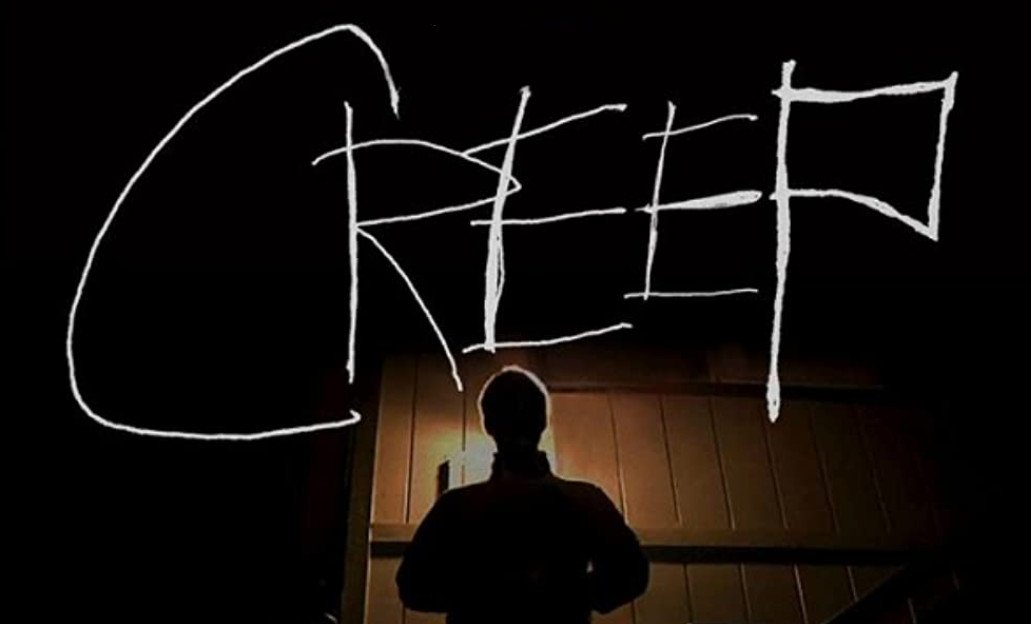
Writing a Scene Analysis: Creep (2014)
Writing a scene analysis can be a great step toward forming a broader thesis when discussing a film. Using Creep (2014) as an example, this article analyzes the opening scene and shows how it can be used to guide a deeper look into the film.
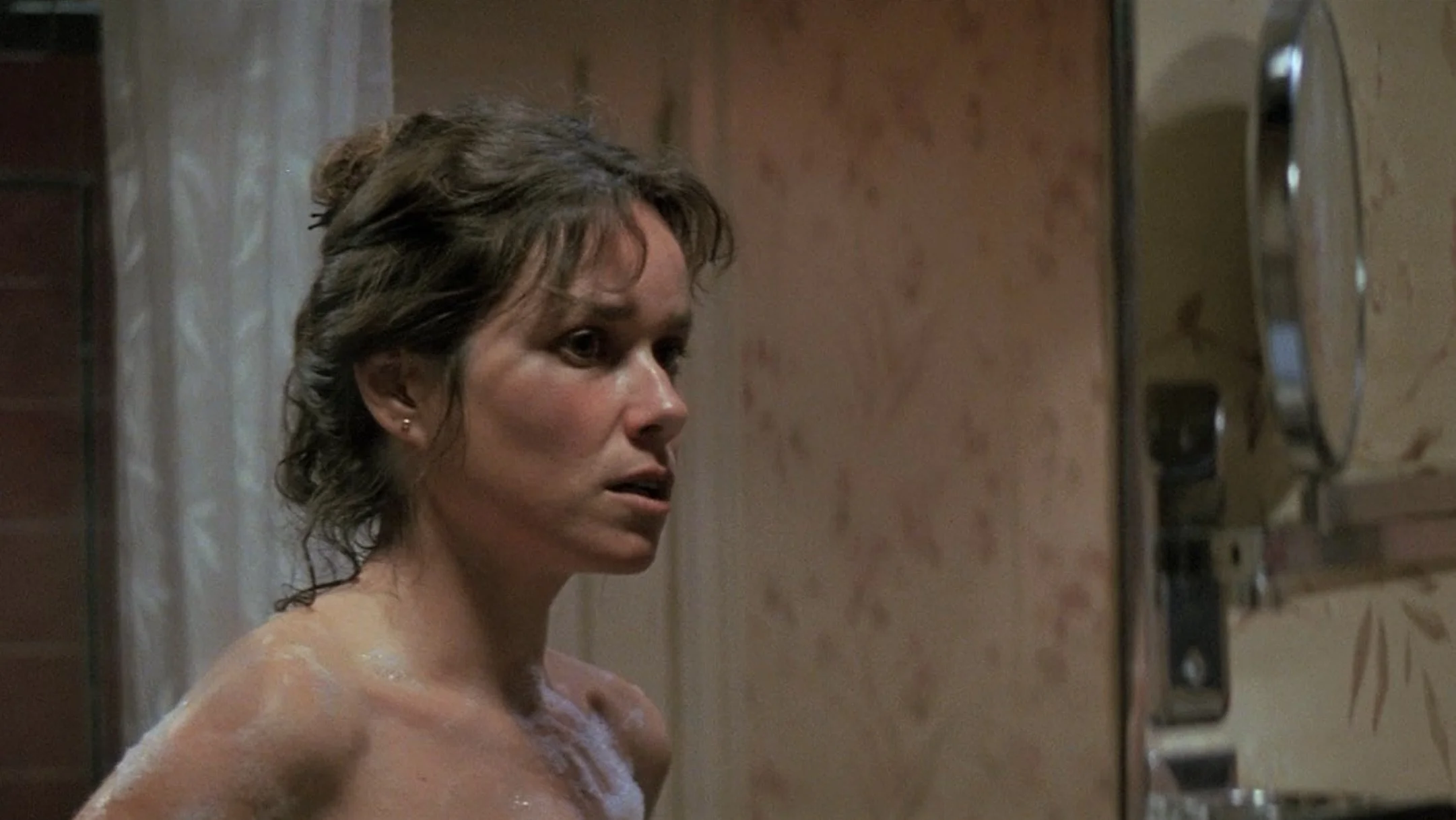
The Entity (1982): Mirrors, Trauma, and Visual Language
The visual language of Sidney Furie's The Entity (1982) hints that the psychiatrists treating Carla Moran may not have been so off target, after all.
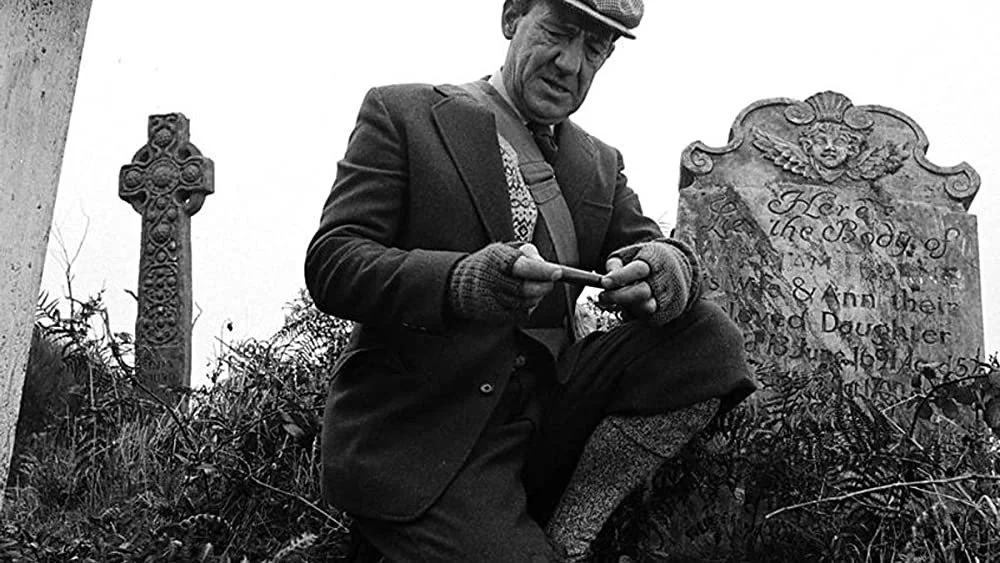
Writing the Feature-Length Ghost Story: Six Observations
“The ghost story is a form of horror loved by those who don’t love horror.” Guest author Arran Crawley explores six themes in the making of the traditional British Ghost Story.
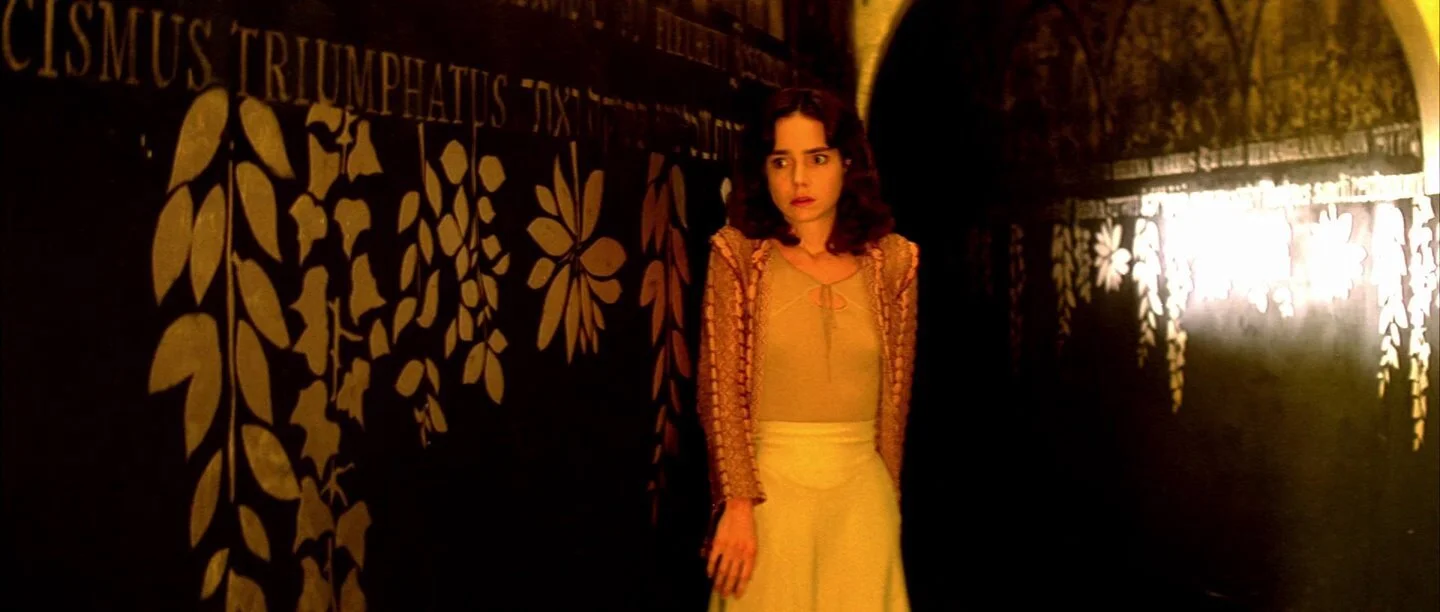
Captivity: Yellow Fevers, Giallo Youth - Suspiria & van Gogh
Suspiria engages with color and atmosphere, and in this examination of Dario Argento’s use of the color yellow, we see Suspiria mirrored with the work of Vincent Van Gogh.

Defiance: Seeing Red - Mark Rothko & Suspiria
There is a perpetual and cyclical bleeding out of color and emotion in the Rothko paintings, such that the viewer is easily overwhelmed. In Suspiria, it is unabashedly intentional. This is the first of a 3-part series on the colors of the original Suspiria.