What Sleeps Beneath is an online magazine that explores the horror genre as one of the most important cultural vehicles of our time. It is a home for all horror-loving nerds, and a space to investigate what the genre tells us about ourselves. We write book and movie reviews, conduct interviews, and write original academic research.
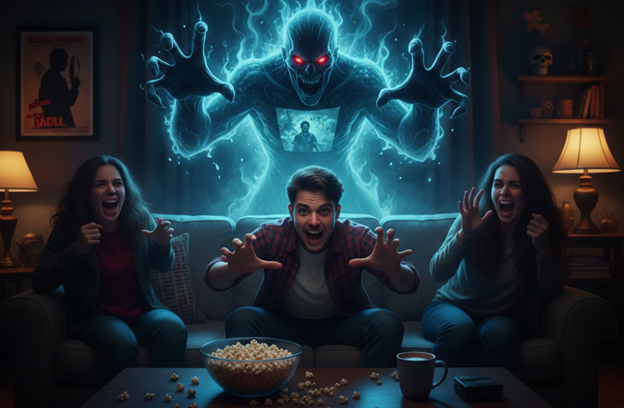
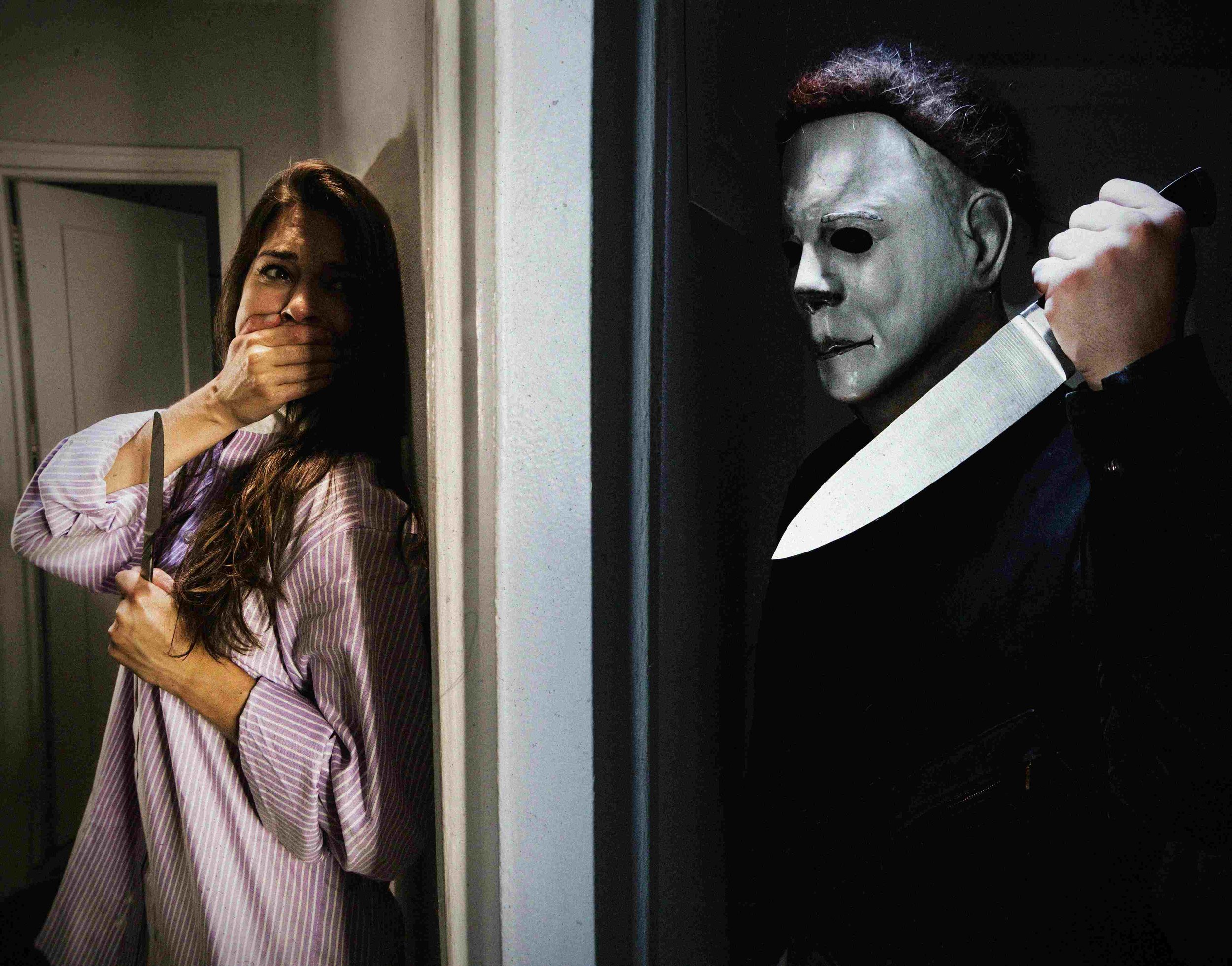
Have you ever wondered why we pay money to feel terrified? It seems like a biological glitch. We spend two hours watching a masked killer like Michael Myers stalk teenagers, yet we walk out of the theater grinning. As a horror editor with a decade of experience, I can tell you that this isn't just a niche obsession. It is a calculated chemical reaction that turns a nightmare into a mood booster.
This wasn’t going to be a rehashed tale of Frankenstein and Pretorius joining forces, inexplicably transplanted into 20th century America. This was beginning to look like Sid & Nancy. This was Bonnie and Clyde. Or more accurately—this is Nancy. This is Bonnie. This is The Bride!
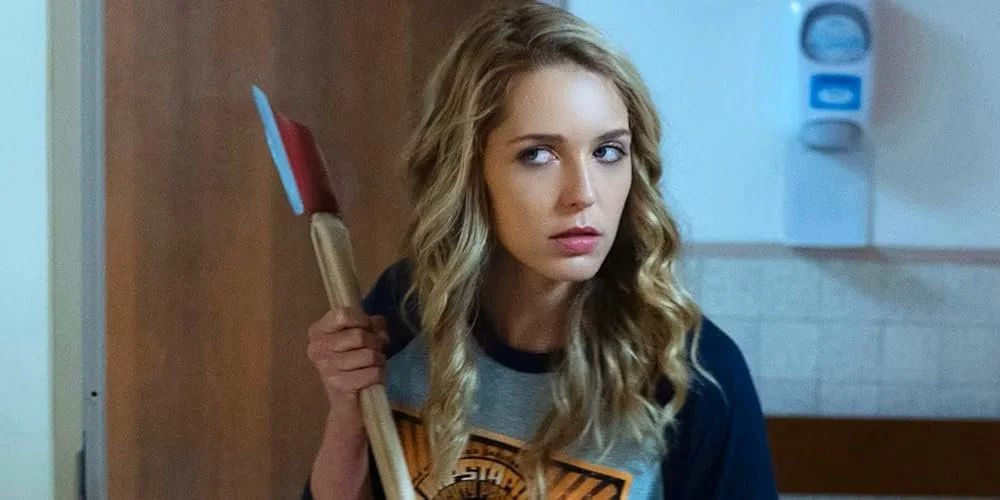
When it first hit the theaters, audiences viewed the movie as a standard slasher. The trailers promised dark comedy and quick scares. Yet, the narrative connected with viewers through profound existential dread. Intense paranoia and the psychological torture of repetition create the actual terror.
From solidly Weird tales of ghostly hauntings and unseen things to more subtle stories of lost children and malevolent housekeeping, Women’s Weird contained a vast range of subjects reflected through the lens of female experience.
Horror movies often relied on familiar visual tropes. Dark hallways with flickering lights. Fog machines going crazy. Monsters staying partly in the shadows to enhance suspense and sometimes to manage effects limitations. Big old mansions with doors that always creaked.
One of the things I like most about horror is its range. Horror can be represented across the full spectrum of media and found lurking within even apparently-conflicting genres. I look back over the past few years and think beyond the obvious horror-homes of film and TV to examples like Tom Wright’s harrowing stage adaptation of Picnic at Hanging Rock, the haunting and hauntological sci-fi horror art books of Simon Stålenhag or even Cryo Chamber’s ever-expanding discography of sinister, abyssal dark ambient.
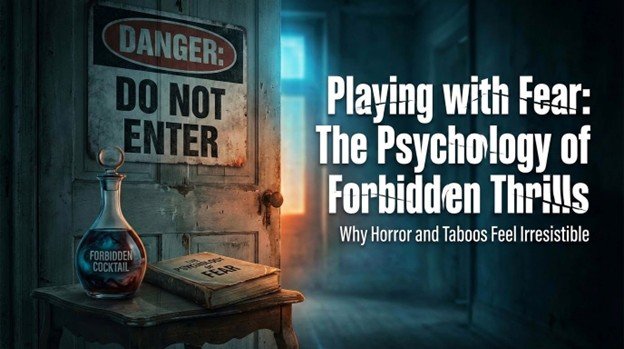
A closed door with a warning sign does not just stop people; it gives the imagination a job. The forbidden is rarely about the thing itself. It’s about the tension around it: the whisper of consequences, the thrill of crossing a line, the private sense of choosing your own story. Fear adds flavor.
Horror movies often succeed or fail because of their endings. A film can build fear for a long time with great acting and scary scenes. But if the ending feels weak, that is what people remember most. At the end of the day, the final moments shape how viewers feel when they leave the cinema.
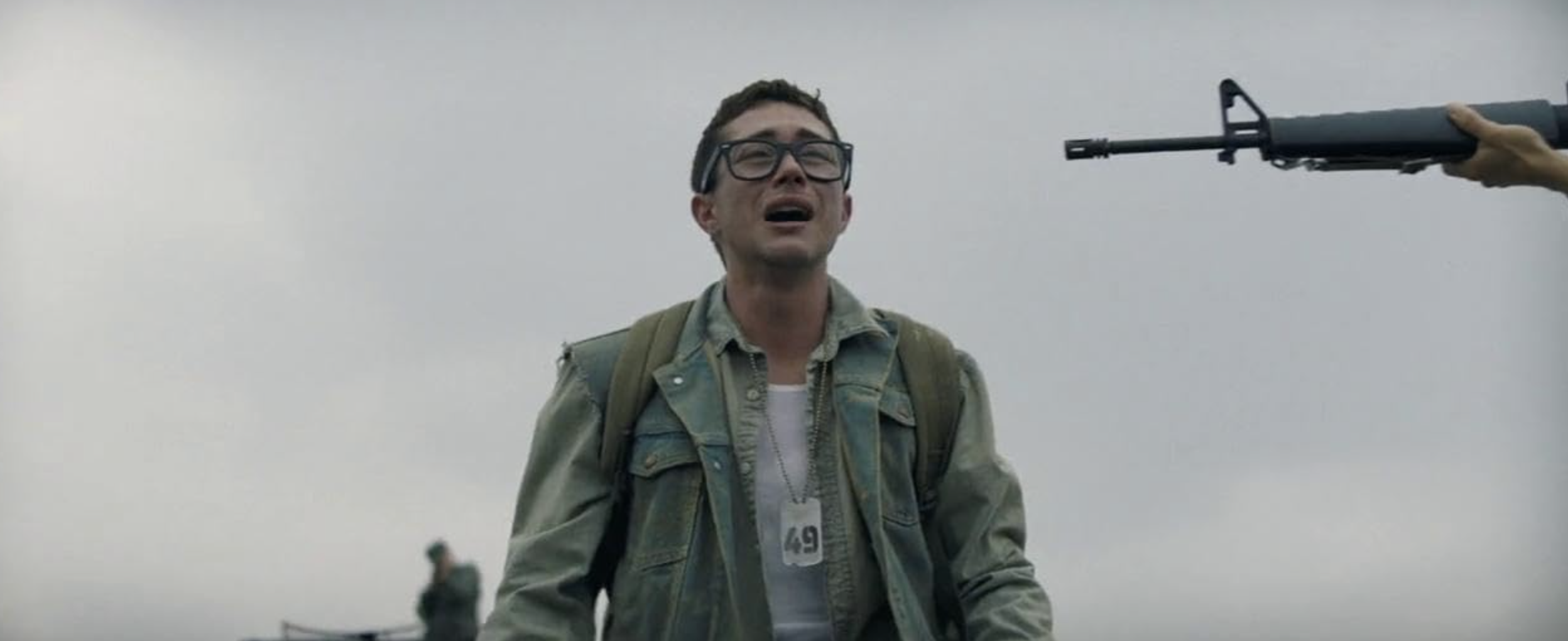
The Long Walk, a film adaptation of the Stephen King story, is grim reflection of authoritarian control—and an unlikely harbinger of hope in dark times.
Horror has a blunt kind of truth. In a dark theater, fear becomes a shared language: a gasp, a laugh after tension breaks, the urge to glance at the aisle. Yet great horror films do more than scare us. They show what a culture worries about when the lights go out. Horror as “a cultural mirror” is not just a clever phrase. It explains why certain creatures and villains surge at certain times, then fade when new fears replace them.
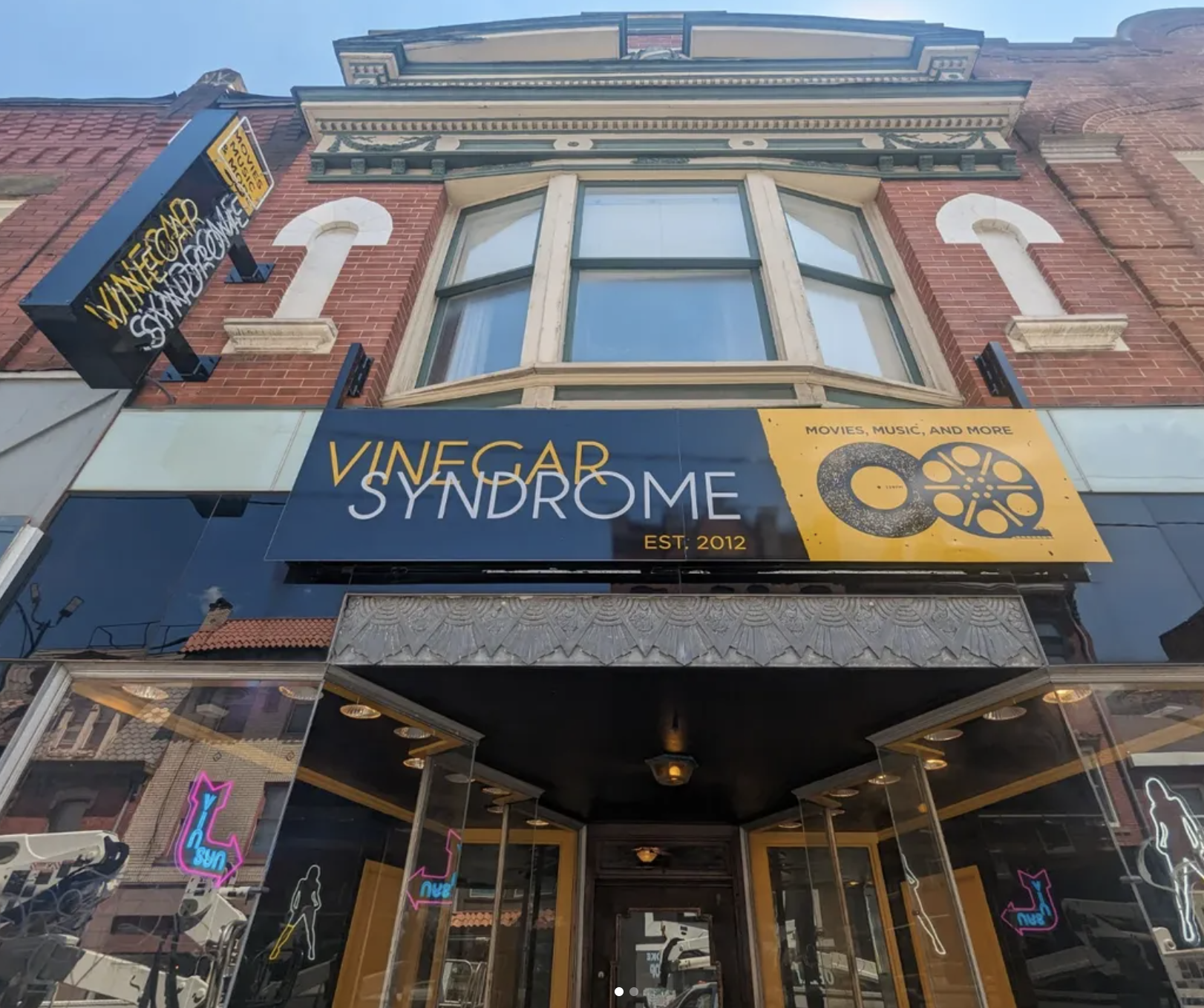
Stop in to Pittsburgh’s Vinegar Syndrome - the best place to grab your horror, thriller, smut, and hard to find films on DVD and VHS.
Throughout the decades, slasher film villains have had their fair share of bizarre motivations for committing violence. In Jamie Langlands’s The R.I.P Man, killer Alden Pick gathers the teeth of his victims to put in his own toothless mouth in deference to an obscure medieval Italian clan of misfits.
Horror movies have been scaring the hell out of us for decades, but let's be honest—most follow the same tired formula. What separates the truly great ones from the forgettable jump-scare fests? Those moments when a film completely pulls the rug out from under you—when everything you thought you knew gets turned upside down.
There are many films that explore the behind-the-scenes world of Hollywood—in different eras, under different circumstances, and across various genres. It could be a large-scale, big-budget epic drama or a hilarious comedy or even a dark historical comedy musical. It could also be noir, a mystical thriller, or even horror. It is precisely this “dark triad” that defines the films in the selection we’ve put together for you.
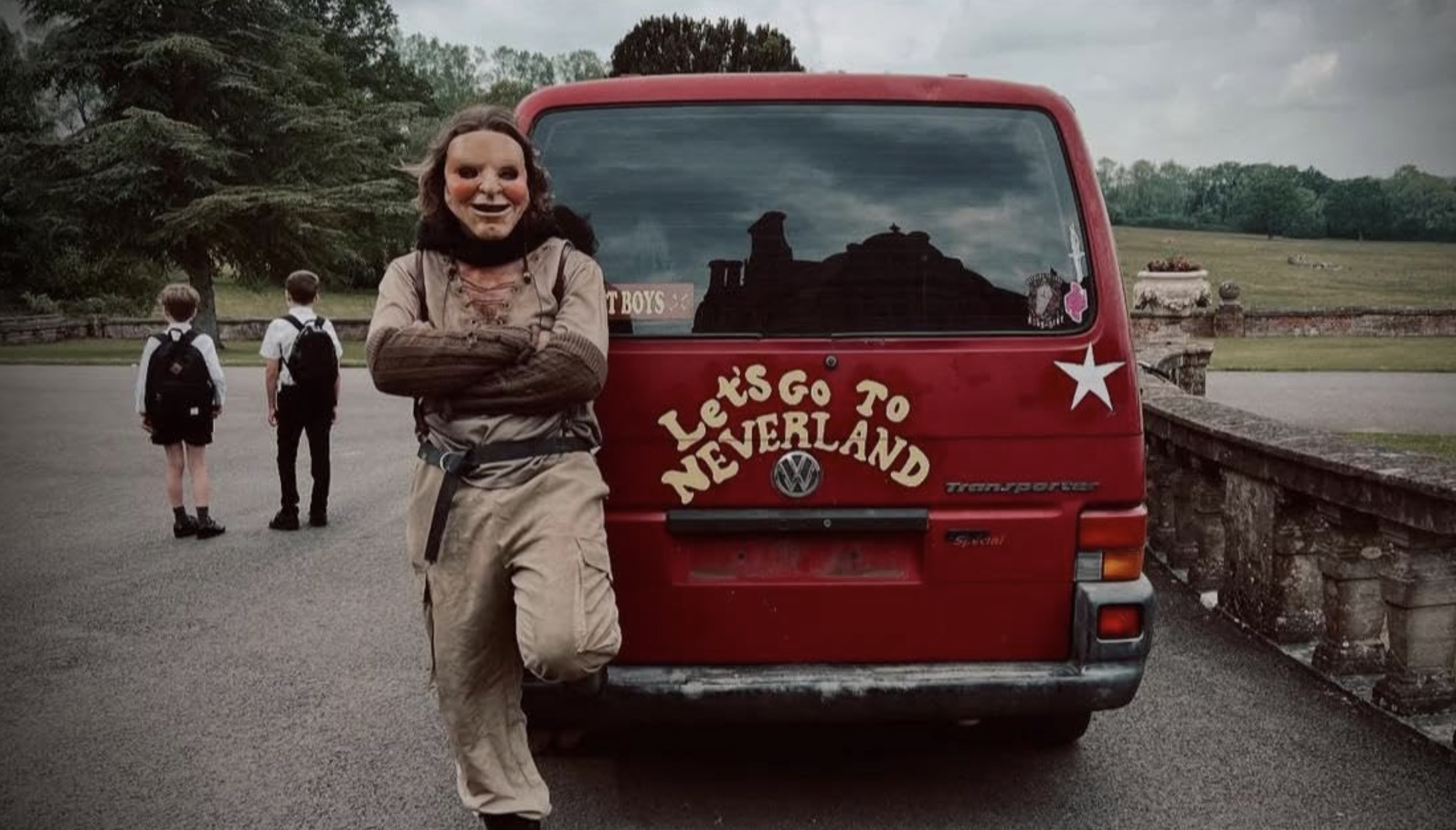
The Twisted Childhood Universe gathers steam with it’s latest addition of Peter Pan’s Neverland Nightmare—a slasher that embraces the complexity of queer characters.
Bones and roots adorn the walls of their dimly lit home. A mjölnir necklace hangs around K.’s neck as he hand carves incense into a small cauldron burner and a breathy soundtrack begins to play. This is a couple that is in tune—with themselves, with the natural world, and, as we will soon see, the supernatural world, as well.
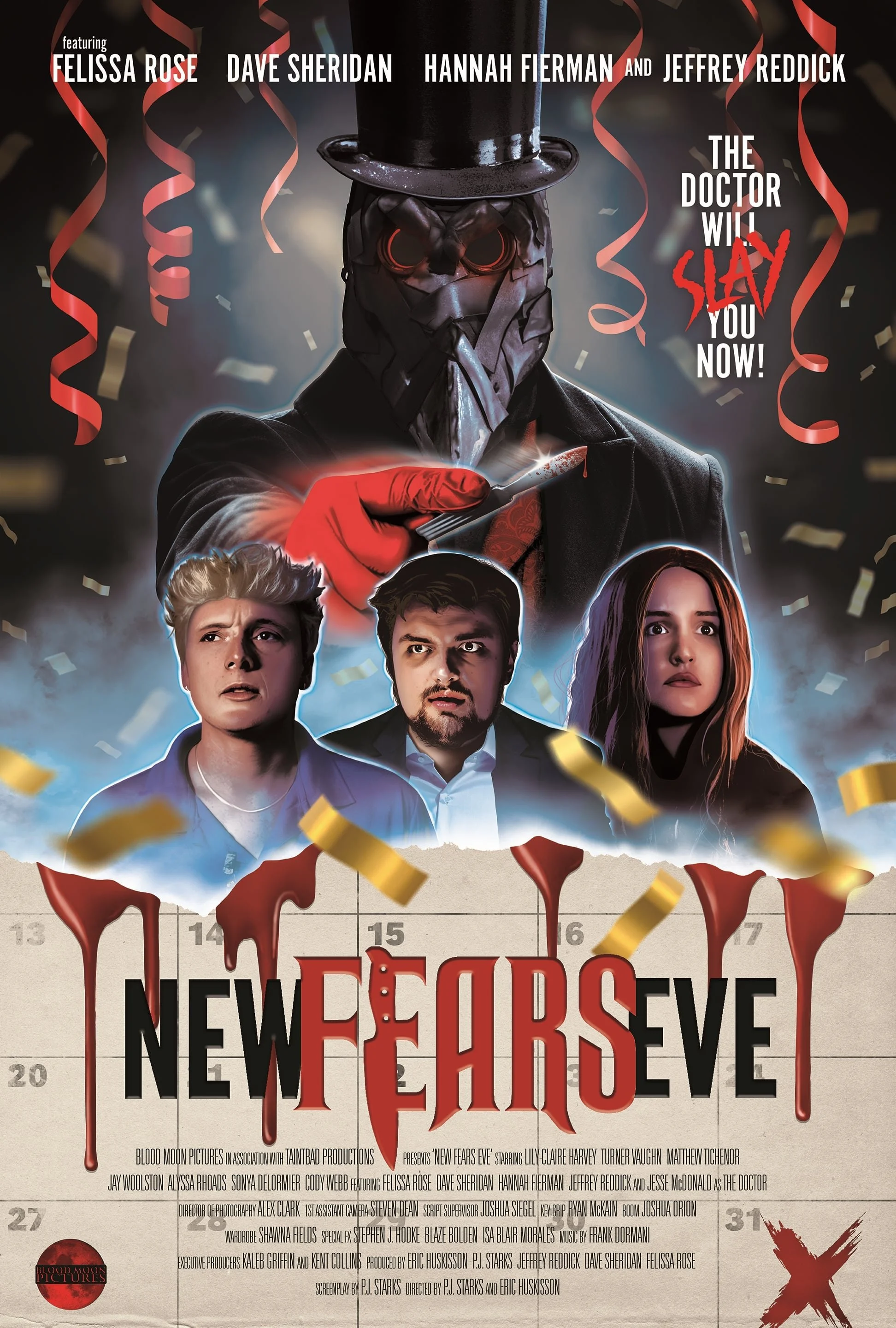
Co-director of New Fears Eve, P.J. Starks, talks about the making of his newest hit on Screambox, working with industry legends, and what’s next for both “The Doctor” and the director, himself.
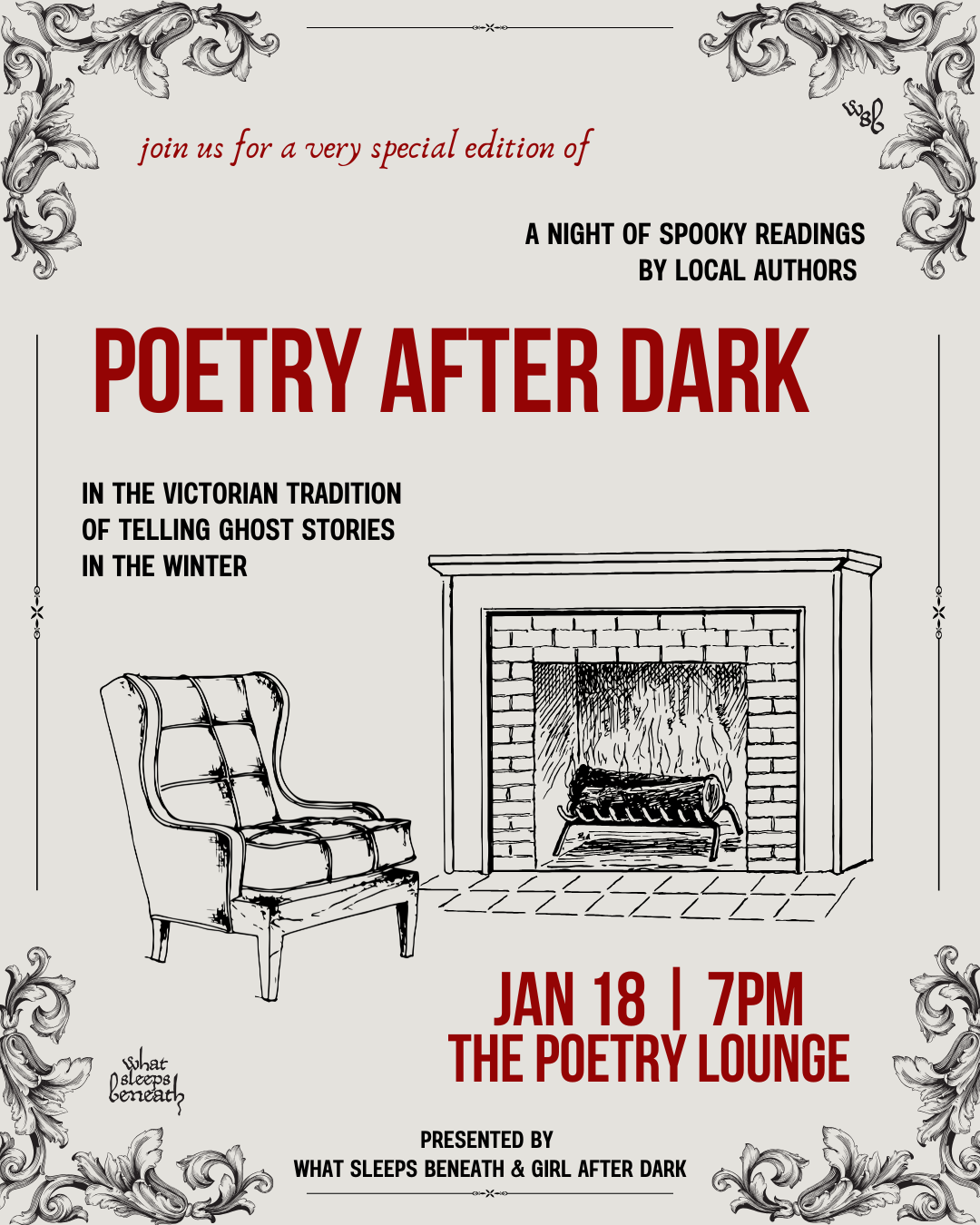
Join us for a night of ghost stories!
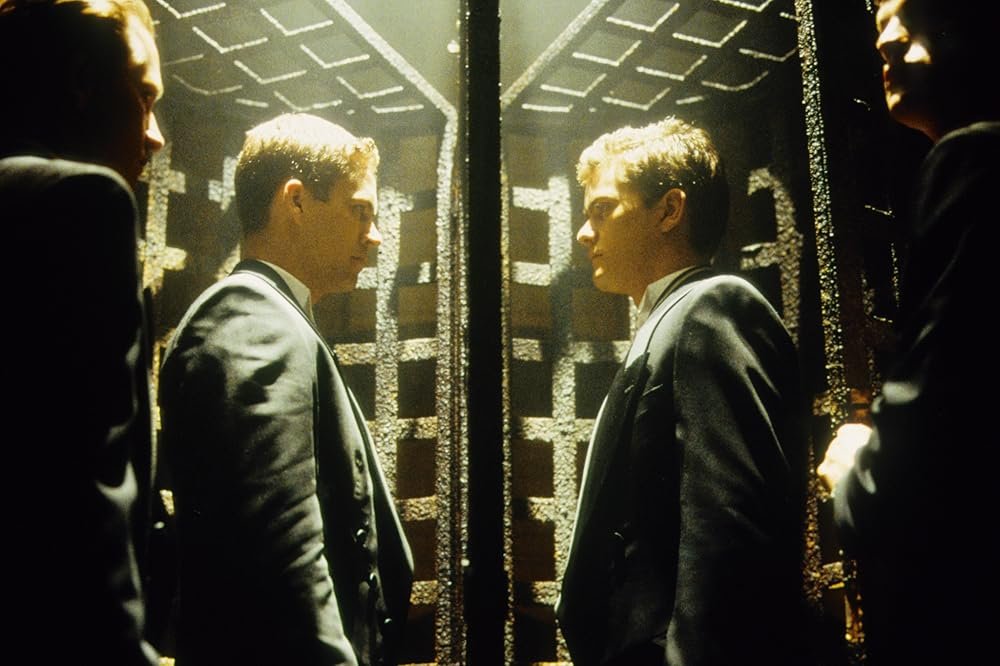
Few subjects grip the collective consciousness quite like secret societies. This fear of a hidden elite controlling power creates a strong foundation for thriller fiction. And The Skulls leans heavily into the high-stakes terror of this premise.
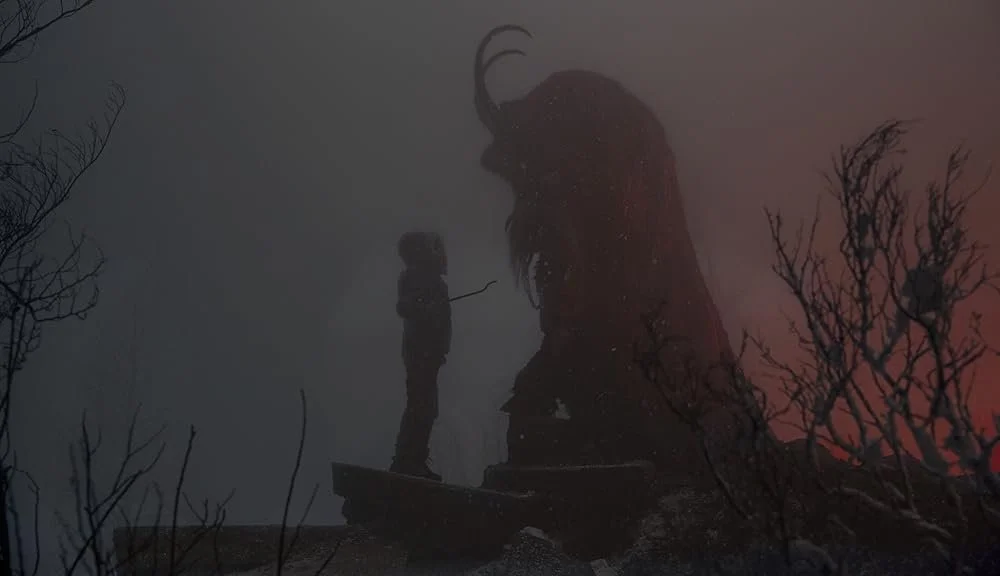
The holidays are an interesting time for many. For some, it’s indicative of family, food, and a joyous holiday spirit. In “the old country,” it’s a time of archaic stories crafted to scare young children into behaving. One of which is what today’s cocktail and bad excuse for a history lesson will focus on: Krampus.
To any external observer, some indifferent alien surveyor, it would be the insects who rule the planet known as Earth. They fill the gamut of ecological niches, from lowly grazer to apex predator. They’ve developed agriculture and architecture as well as less visible, but no less complex, social structures. They outnumber the planet’s dominant mammalian species, an amusingly recent development in its bio-history, by a factor of nearly 1.5 billion to one.
In his feature directorial debut, Alex Kugelman looks to peel back the layers of nepotism and gatekeeping in Hollywood in Don’t Trip. Starring Matthew Sato and Will Sennett, and with appearances by Fred Melamed and Chloe Cherry, Don’t Trip follows Dev Ryan, a struggling screenwriter whose desperation to get his script into the hands of a producer sends him hurtling toward a (comically) tragic end.
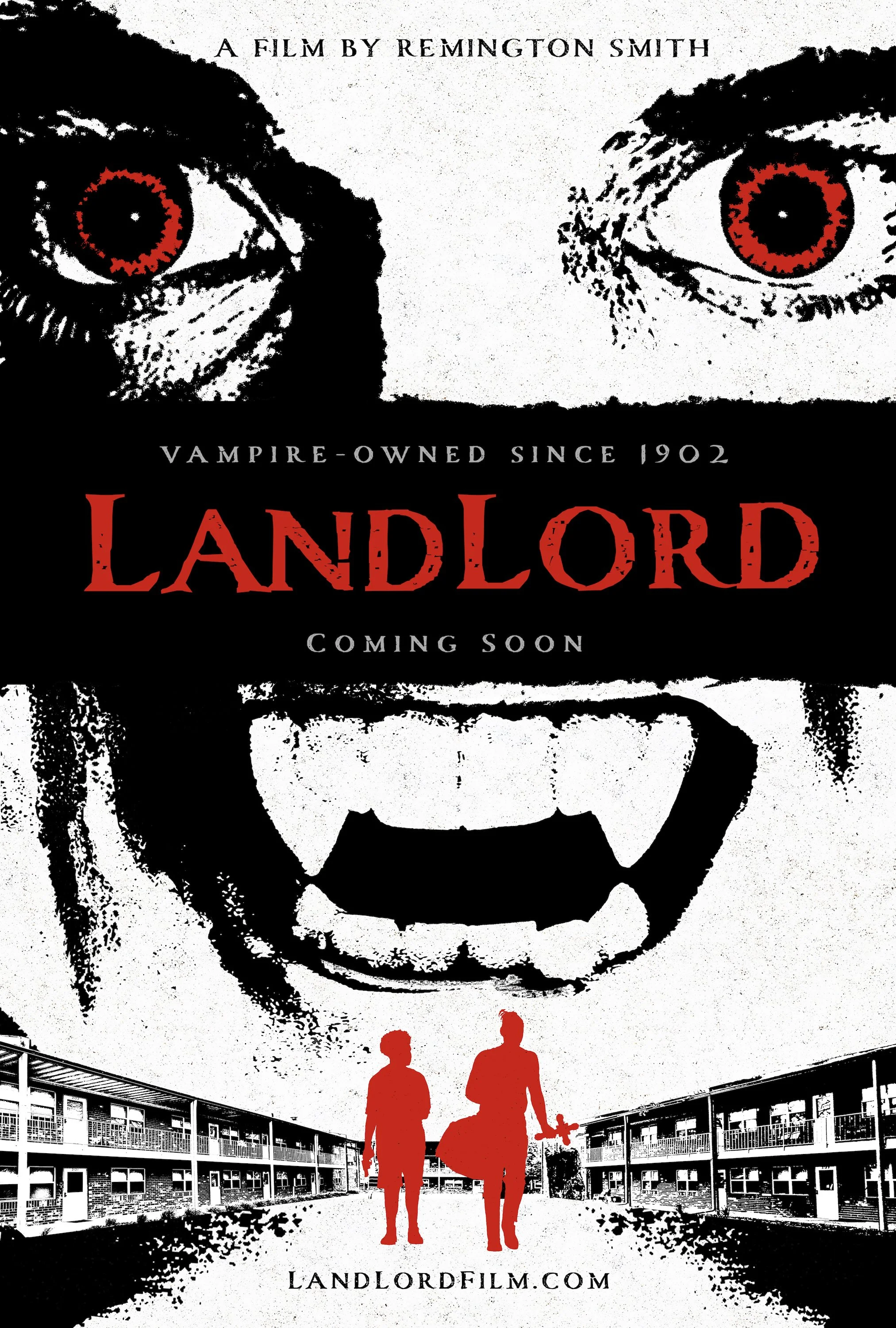
LandLord isn’t going to color inside the lines. Sure, it’ll color inside some of the lines, but this coloring book wasn’t made by someone looking to retread all the cliches. It was made by someone who almost wants you to fall for some of the tropes. If you fall for the tropes, after all, you won’t be expecting the punch.
As part of Women in Horror month, What Sleeps Beneath is celebrating women in Pittsburgh who are keeping the spirit of the horror community alive. In a city where the genre is deeply rooted, from serving as the location for classic horror movies to being home to the University of Pittsburgh’s Horror Studies program and archive, locals know that horror has always been more than just a story in a book or on a screen.